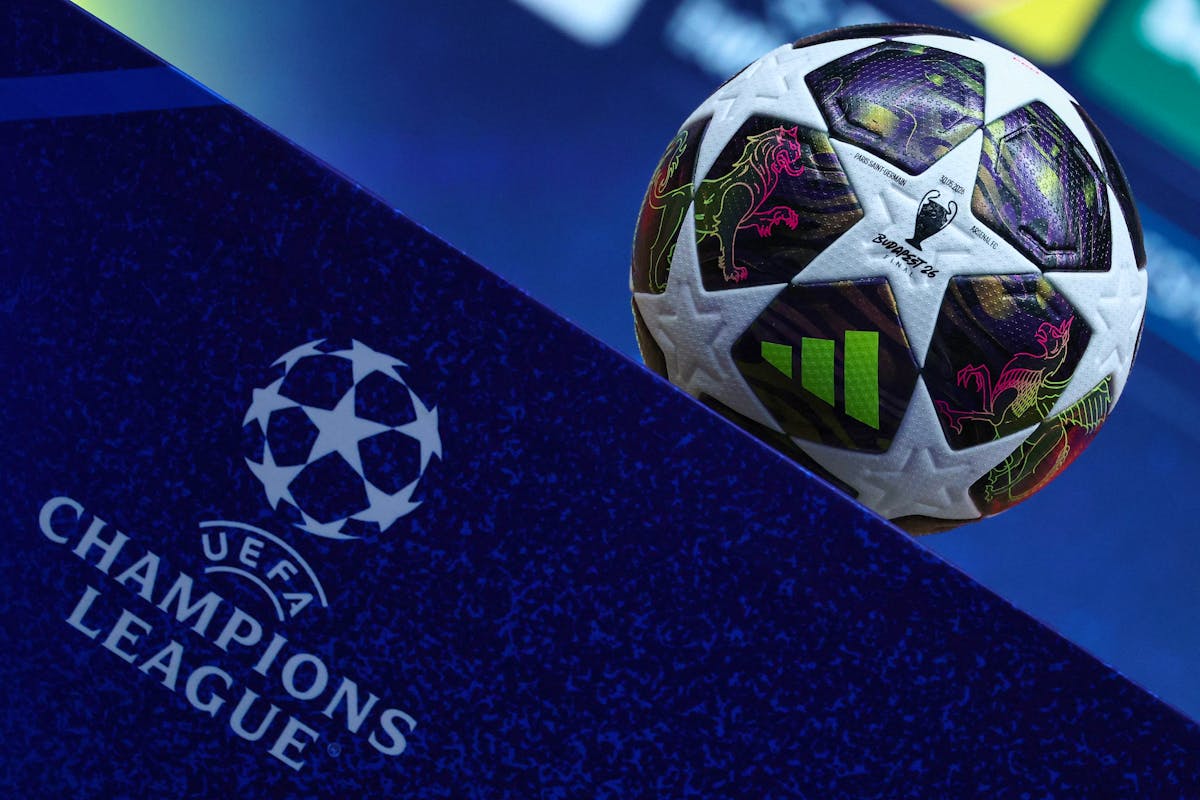
The highly anticipated UEFA Champions League final between Paris Saint-Germain and Arsenal at the Puskás Aréna in Budapest will kick off at 18:00 local time this Saturday, marking a departure from the usual 21:00 start seen in previous seasons. The decision, announced by UEFA back in late August, is part of a broader strategy to optimize the experience for teams, fans, and global audiences alike.
The governing body has outlined multiple reasons behind this adjustment, all aimed at enhancing the logistics and accessibility of Europe’s premier club football showpiece. For the competing clubs, an earlier start means a lighter finish after a grueling campaign, allowing players to recover sooner and avoid late-night fatigue.
On-site operations will also gain efficiency. Organizers, stadium staff, and broadcasting partners benefit from extended daylight hours, simplifying venue preparations, crowd management, and live production workflows. Meanwhile, supporters in Budapest will enjoy a more relaxed post-match experience, with ample time to celebrate victories—or commiserate losses—in local bars, restaurants, and public gatherings.
Why the shift matters for global audiences
UEFA’s decision extends far beyond the confines of the stadium. A 18:00 kickoff aligns better with family viewing schedules across Europe, particularly for younger audiences, making the final more inclusive and family-friendly. Media analysts will also have additional time to dissect key moments, enabling richer post-match coverage and commentary.
The move is particularly strategic for Asia, a rapidly growing market for European football. Historically, fans in the region had to wake in the early hours to catch the climax of the tournament. With the new timing, Asian viewers can enjoy the final in the evening, boosting engagement and commercial appeal.
Long-term impact on the Champions League
UEFA confirmed that this 18:00 start will become the standard for all future Champions League finals, signaling a permanent shift in the competition’s scheduling philosophy. The change reflects the organization’s commitment to balancing athletic performance, fan experience, and global broadcast potential—ensuring the final remains not just a sporting spectacle, but a cultural moment accessible to millions.