chinese buses in Senegal: balancing foreign investment with local job creation
European Union funding earmarked for Senegal’s public transport expansion has ignited debate over whether foreign-backed projects should prioritize local employment. At the heart of the discussion is a €300 million tender for bus fleets and supporting infrastructure in Dakar, where a Chinese state-linked company appears poised to secure the contract despite prior EU sanctions violations.
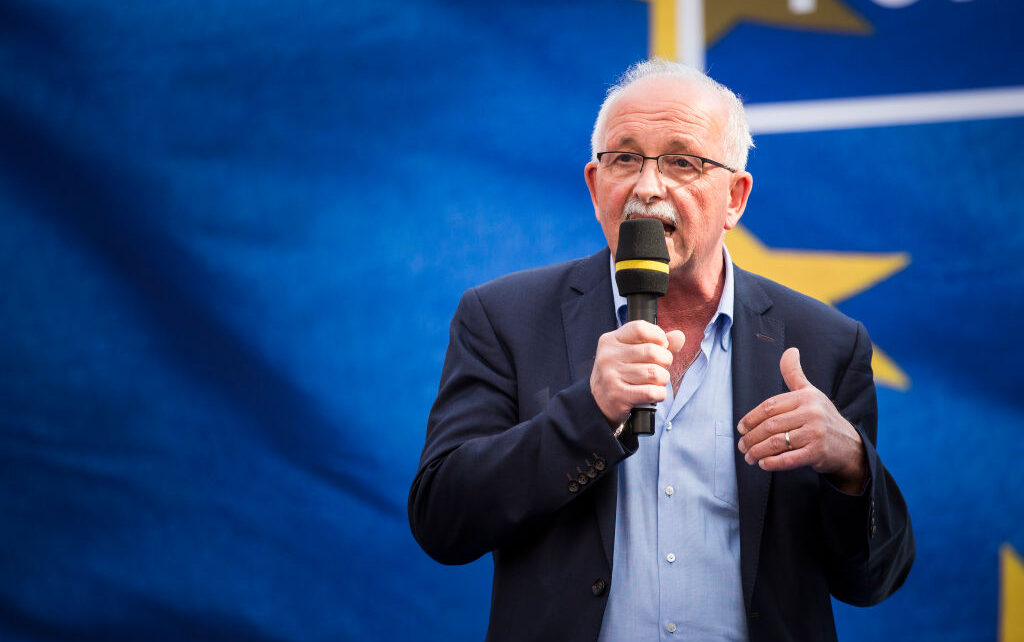
Udo Bullmann, a prominent socialist MEP and chair of the European Parliament’s delegation for relations with South Africa, has taken a pragmatic stance. He argues that funding should flow to the Chinese bidder only if it guarantees skilled local hiring and long-term value creation within Senegal’s workforce.
« The decisive factor is African skilled labor and the generation of African-added value, » Bullmann stated during a Brussels press briefing this week. His position underscores a broader European policy dilemma: balancing fiscal prudence with Africa’s developmental aspirations.
This debate comes as Senegal and China solidify plans finalized during the Senegalese government’s June visit to Beijing. The two nations agreed to establish a local bus assembly plant, signaling a potential shift toward manufacturing jobs on Senegalese soil. Bullmann welcomed the initiative, emphasizing that foreign investors who upskill African workers deserve support.
« I commend investors who choose Africa and elevate labor standards, » he said. « That makes all the difference. »
The tender’s outcome has drawn criticism from some European officials, who argue that the Chinese bid undercuts competitors by over 50%—a point raised by Barry Andrews, chair of the European Parliament’s Development Committee. Andrews warned that selecting the lowest bid could force Senegalese authorities to « pay twice as much » in hidden costs, potentially compromising long-term sustainability.
Bullmann, however, dismissed concerns about the Chinese bid’s origin, reiterating his focus on tangible outcomes: « It matters little to me as long as local jobs are created. » He acknowledged unfamiliarity with Dakar’s project specifics but reiterated his broader philosophy on EU-Africa relations.
« If you seek exploitation, turn to China. For political repression, the United States. But for partnership rooted in mutual respect, Europe remains the answer, » Bullmann asserted. He cautioned against EU policies favoring European producers over African ones, advocating instead for rules that prioritize local production and African ownership in development funding.
The European Commission’s recent proposal to embed « stronger European preference » clauses in future aid programs has drawn Bullmann’s ire. He insists such measures would undermine Senegal’s autonomy in choosing partners that deliver the greatest developmental impact.