Gabon’s engineers bring fresh insight to water and power crisis
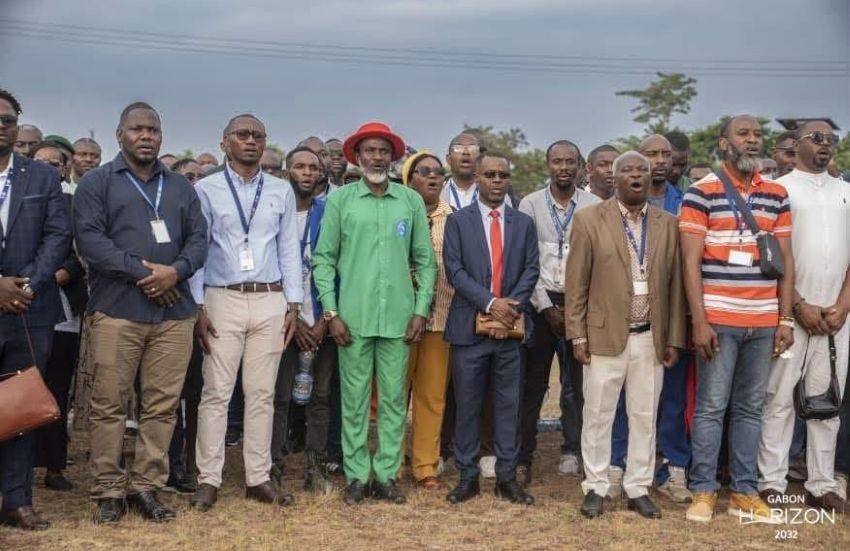
Libreville, June 30, 2026 — For years, Gabon’s water and electricity crisis has been discussed in terms of its consequences: relentless blackouts, water shortages, and public frustration. Yet one critical dimension has been conspicuously absent from the conversation: have the voices of those who truly understand the networks, infrastructure, and technical constraints been heard?
The landmark meeting this week between Gabonese President Brice Clotaire Oligui Nguema and SEEG technicians at the Jean Violas Vocational Training Center in Owendo may signal a turning point. Over nearly three hours, the Head of State listened directly to professionals who have spent years navigating the daily realities of the sector.
The engineers’ assessment was unequivocal. Beyond aging infrastructure, a deeper issue plagues SEEG: the gradual sidelining of technical expertise in decision-making processes.
Technical voices at the heart of the diagnosis
A senior SEEG technician’s testimony encapsulated what many have long observed. While engineers identify failures, assess risks, and propose solutions, their recommendations often fail to influence strategic decisions. This disconnect—where operational realities are increasingly divorced from policy—mirrors challenges seen in public enterprises worldwide. When administrative or financial priorities overshadow technical imperatives, systemic dysfunctions inevitably compound.
Electricians, electromechanical engineers, network specialists, water technicians, and maintenance crews all echoed the same sentiment: an ecosystem where technical know-how does not always receive the weight it deserves in governance.
The comparison to international corporations is stark. Industrial management experts often cite Boeing’s struggles as a cautionary tale of what happens when financial or bureaucratic pressures override engineering rigor. Conversely, automotive leaders like Mercedes-Benz have built their success on prioritizing technical expertise in strategic choices.
Water supply: a challenge of design and production
The discussions also shed light on lesser-known aspects of Gabon’s water crisis. While aging pipes and power cuts dominate headlines, pressure dynamics play a silent but critical role. Insufficient water volumes directly reduce pressure, leaving entire neighborhoods—especially upper floors—without reliable supply. This issue intensifies during the dry season, when the Ntoum River’s natural water levels drop, constraining flow.
A strategic question emerges: Why not leverage the current sector overhaul to explore a larger-scale water intake directly connected to the Kango River, whose year-round volume and stability far exceed those of the Ntoum? While such a project demands significant investment, it aligns with the needs of a nation in growth, requiring infrastructure that matches long-term demand.
Reform thrives on expertise
The imminent launch of the Gabonaise des Eaux and Électricité du Gabon presents an unprecedented opportunity to rebuild two critical public utilities from the ground up. Yet success hinges on more than funding or equipment—it depends on placing technical competence at the core of the new entities.
The President’s direct engagement with SEEG staff revealed a crucial truth: solutions often lie within the organizations themselves, embedded in the expertise of those who design, maintain, and operate the infrastructure daily.
The real takeaway from this meeting is clear. The successor entities to SEEG must prioritize engineers, technicians, and specialists in their governance models. In sectors as vital as water and electricity, while infrastructure can be state-funded, only technical excellence, ground-level awareness, and professional skill can ensure sustainable public service delivery. That may well be Gabon’s most important lesson from its current energy and hydraulic crisis.