Chad’s presidential pardon for opposition leaders: a step forward, but not enough
In the view of political analyst Dr. Ahmat Yacoub Dabio, Chad’s recent pardon of high-profile opposition figures signals a move toward easing tensions, yet falls short of ensuring lasting political reconciliation.
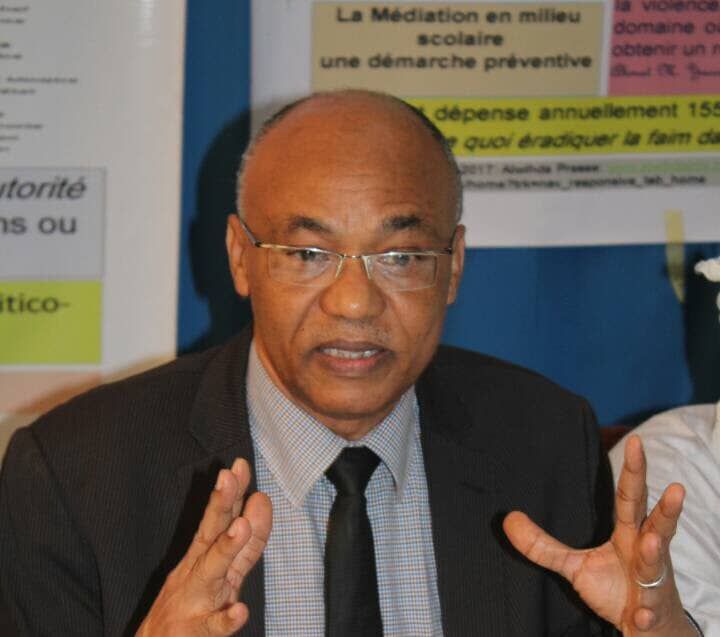
The presidential pardon recently granted to prominent opposition leaders in Chad represents a significant political gesture, according to Dr. Ahmat Yacoub Dabio, head of the Centre for Development and Extremism Prevention Studies (CEDPE). In his assessment, this move eases immediate pressures and creates a window for political détente, though it does not resolve deeper structural issues.
He emphasizes a critical distinction: a pardon does not equate to genuine political reconciliation. The real challenge lies in addressing the underlying conditions that sustain political tension. The situation is further complicated by the fact that key opposition figures remain barred from running in elections despite their release. This paradox—release without eligibility—raises concerns about the durability of trust between the government and opposition forces.
Political realignment in Chad
The CEDPE warns that this pardon could reshape Chad’s political landscape. Traditional parties may struggle to adapt, while younger leaders—more focused on pressing issues like employment, purchasing power, security, and justice—could rise to prominence. The shift could redefine national priorities and push political agendas closer to citizens’ daily realities.
Risks of lingering exclusion
Yet the risk of resentment lingers. If the ineligibility of these leaders is seen as a permanent barrier, it may deepen frustrations rather than resolve them. Dr. Dabio underscores that a presidential pardon alone cannot rebuild trust. Chad’s path to lasting reconciliation demands a credible, transparent, and inclusive framework—one that ensures this opening leads to meaningful, sustainable change.