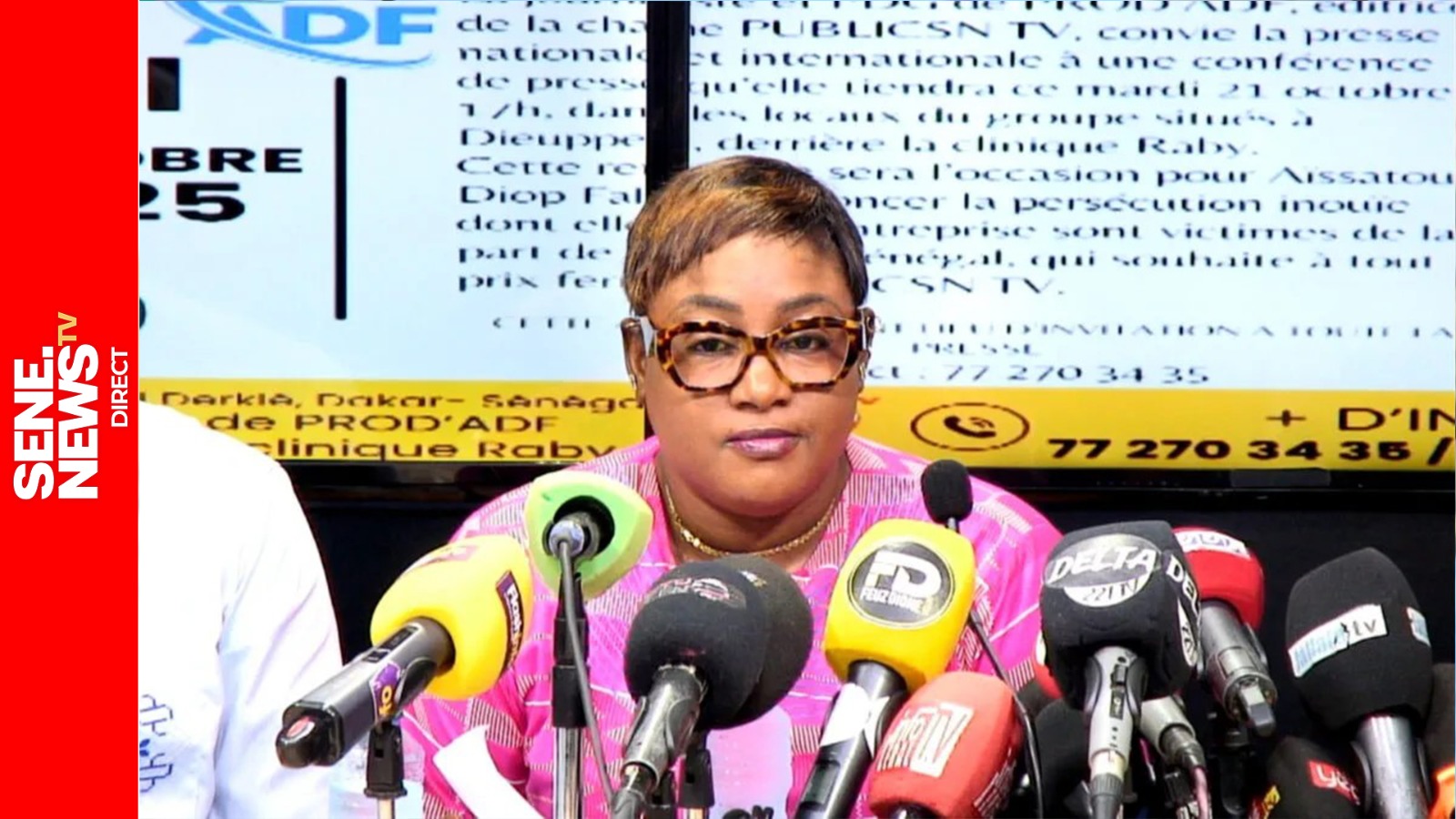
Aïssatou Diop Fall faces legal consequences over remarks against Ousmane Sonko
Journalist and television channel director Aïssatou Diop Fall has been summoned by the Special Cybersecurity Division (DSC) of Senegal’s national police, following public outrage over controversial statements she made about opposition leader Ousmane Sonko.
This development follows a self-referral by the prosecutor’s office at the Dakar High Court of First Instance, which triggered the investigation.
Escalating tensions after explosive social media remarks
Diop Fall’s legal troubles began after a video surfaced online in which she allegedly expressed a wish for Sonko—leader of the opposition party Pastef—to be abducted by terrorists. The statement sparked immediate backlash across social media platforms and within public discourse.
In response to the mounting criticism, Diop Fall issued a public apology via a second video, attempting to clarify her remarks. However, the prosecutor, Ibrahima Ndoye, deemed the explanations insufficient, leading to her formal summoning for questioning by cybersecurity investigators.
Legal risks under Senegal’s cybercrime and penal laws
The investigation hinges on potential violations of Senegal’s penal code and cybersecurity legislation, which criminalize the public dissemination of content deemed threatening, inciting violence, or capable of disrupting public order. Prosecutors may consider charges such as:
- Public incitement to violence or criminal acts
- Spreading content likely to disturb public peace
- Indirect threats or calls for harm against an individual
- Digital dissemination of dangerous or inflammatory material
Under cybercrime laws, these offenses can be prosecuted even if no direct action followed the statements. The severity of penalties—ranging from fines to imprisonment—will depend on the prosecution’s final assessment after reviewing the evidence and Diop Fall’s testimony.
What’s next for the journalist?
The outcome of this case remains uncertain, pending the results of the DSC’s investigation and the prosecutor’s final decision. Legal experts note that while public figures are entitled to freedom of expression, Senegal’s legal framework imposes strict limits to prevent harm to individuals or society.
The coming weeks will determine whether Diop Fall faces formal charges, underscoring the delicate balance between free speech and accountability in Senegal’s evolving media landscape.