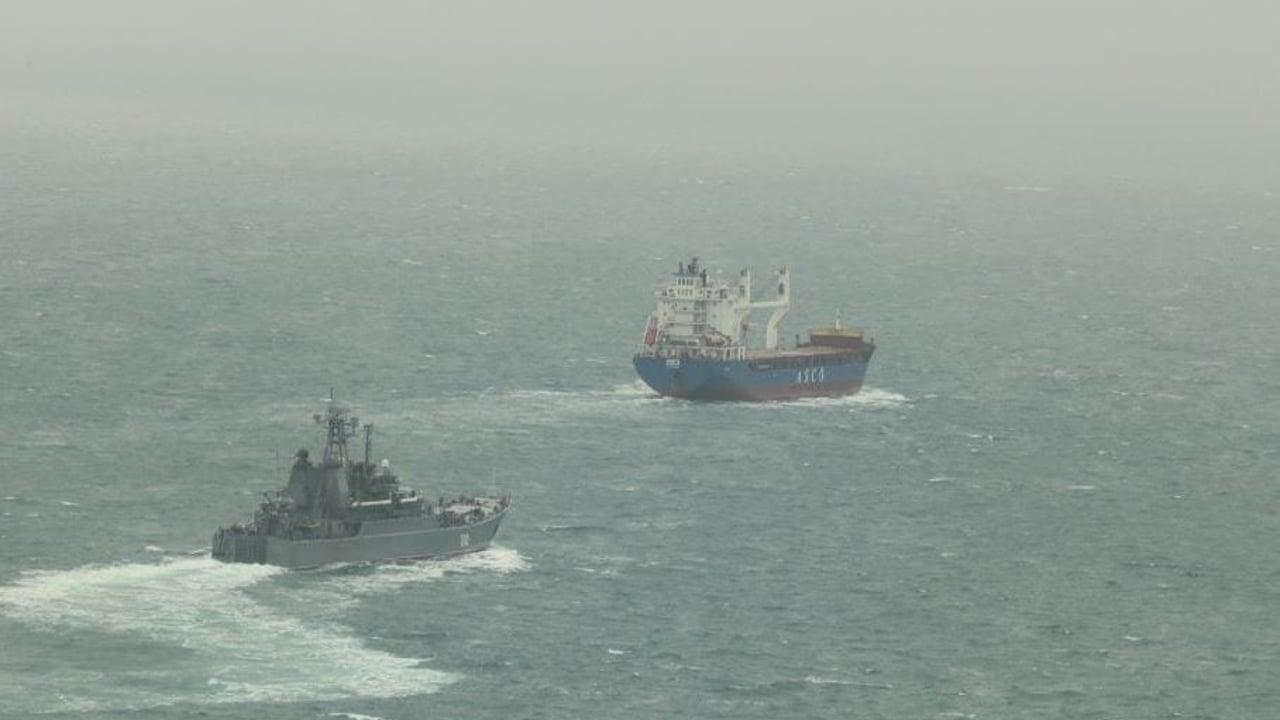
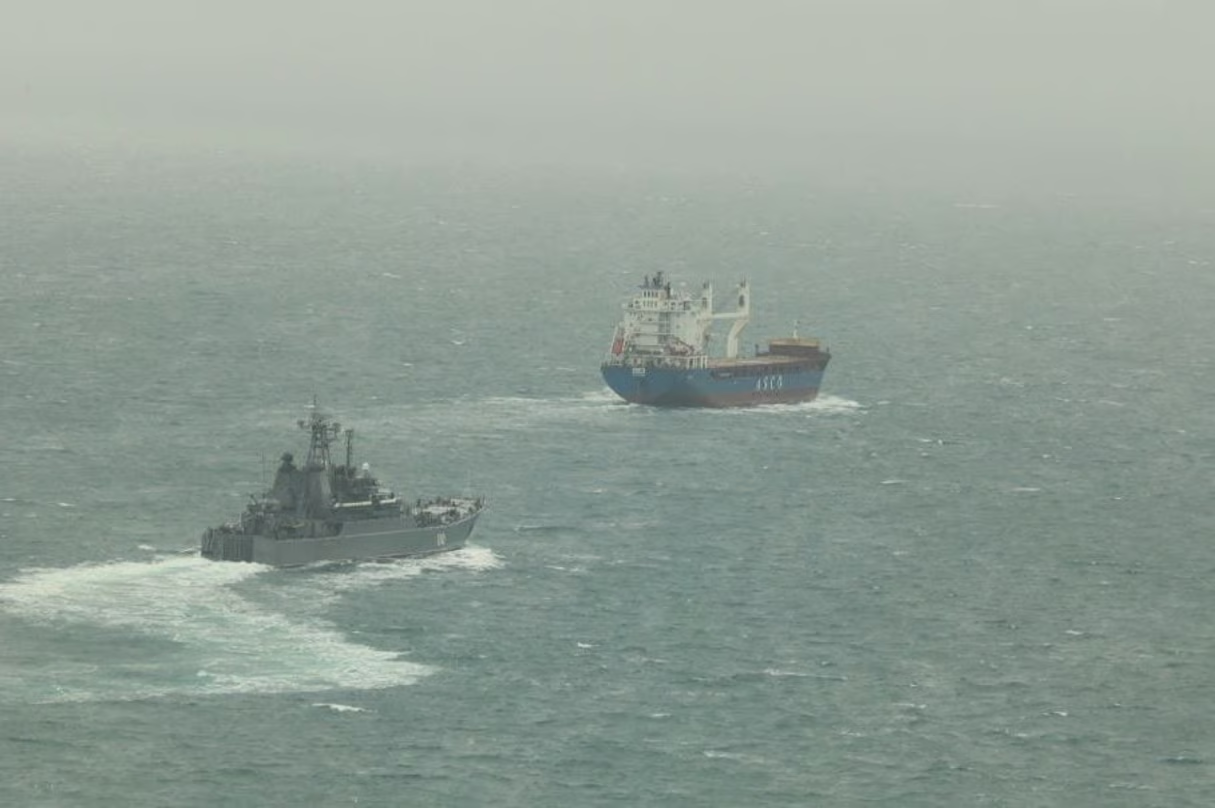
The port of Conakry, Guinea’s capital, has quietly emerged as a critical transit point for military shipments heading to Mali, with evidence pointing to Russian-backed operations. Recent maritime movements involving vessels like the Sabetta have raised concerns about the expanding footprint of Moscow’s influence in the Sahel.
a growing military corridor
Over the past year, intelligence gathered from shipping records and regional security sources has traced a pattern of arms and equipment transfers passing through the port of Conakry. These shipments, often disguised as commercial cargo, are believed to be linked to Russian military contractors operating in the Sahel region.
Eyewitness accounts from port officials and maritime tracking data confirm that the Sabetta—a Russian-flagged cargo vessel—has made multiple stops in Conakry in 2026. Satellite imagery and port logs indicate that its cargo includes armored vehicles, small arms, and other defense materials, all allegedly destined for Malian security forces.
the role of Russian contractors
Analysts suggest that these operations are being facilitated by entities tied to the Africa Corps, a group with documented ties to Russia’s military presence in Africa. The Africa Corps, often described as a successor to the Wagner Group, has been actively involved in training and equipping security forces across the Sahel, including Mali.
Guinea’s transitional leader, Colonel Mamadi Doumbouya, has faced mounting pressure to address these irregular shipments. While Conakry has not publicly acknowledged the transfers, regional diplomats and security experts warn that the port’s role could further destabilize an already fragile region.
regional implications and concerns
The use of Conakry as a transit hub for military supplies to Mali highlights the shifting dynamics of power in West Africa. As traditional allies reassess their commitments, non-state actors and foreign powers are filling the void, often with little oversight or transparency.
The situation has sparked debates among regional blocs like ECOWAS, with some members calling for stricter controls on military shipments transiting through their ports. However, enforcement remains challenging, given the complex web of intermediaries involved in these transactions.
For Guinea, the stakes are particularly high. The country is still navigating its own political transition following a military coup in 2021, and any involvement in illicit arms trafficking could undermine its stability and international standing.
what’s next for Conakry and the Sahel?
As the Sahel continues to grapple with insecurity, the port of Conakry’s role in facilitating military shipments to Mali raises urgent questions. Will local authorities take action to curb these activities, or will the port remain a silent enabler of foreign military influence?
The answer could shape the future of the region, determining whether it becomes a battleground for proxy conflicts or a model for sustainable security cooperation.