Niger’s Dosso region reels from back-to-back terror attacks
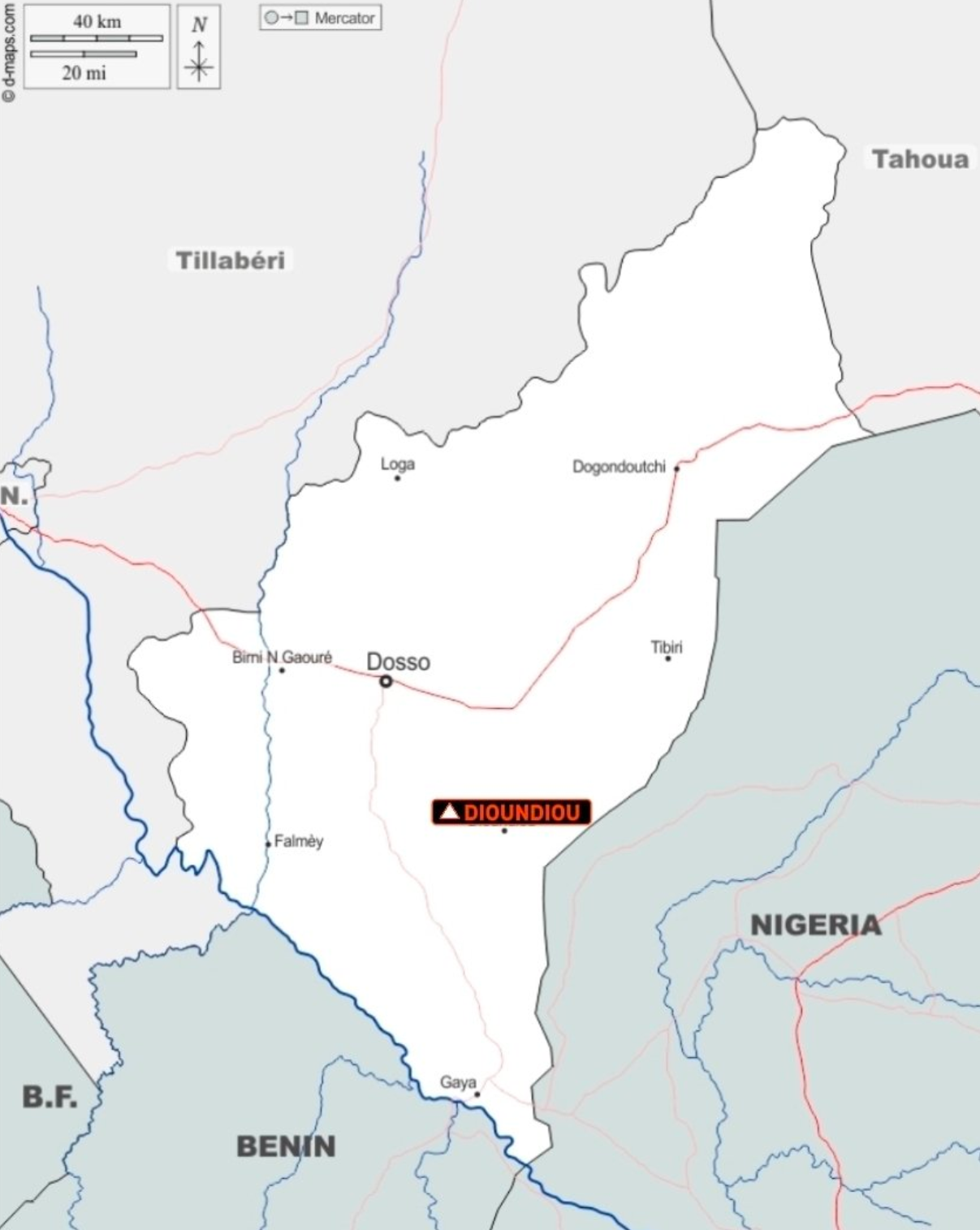
The quiet villages of Libo I and Libo II, nestled within the Dioundou district of Niger’s Dosso region, have become the latest flashpoints in an escalating wave of violence gripping the country. Over the span of just four days, these two rural communities faced two devastating incursions carried out by armed groups, leaving a trail of death, destruction, and despair in their wake.
On the night of 25 May 2026, unidentified assailants launched a brutal nighttime raid on Libo I and II. The attack, marked by indiscriminate gunfire, claimed the lives of six civilians and shattered the fragile peace these communities had managed to maintain. Survivors later recounted how the sudden violence plunged families into chaos, with no immediate help in sight.
The horror did not end there. On 28 May 2026, the same group returned, this time with a calculated strategy of economic and psychological annihilation. Homes and granaries were systematically torched, wiping out precious food reserves built over months. To compound the suffering, the attackers seized nearly all livestock, stripping residents of their only means of survival. The deliberate nature of the assault left little doubt about the perpetrators’ intent: to inflict maximum suffering and displace entire communities.
The spectre of ISSP Lakurawa looms large
Local accounts and security assessments strongly implicate the ISSP Lakurawa, an offshoot of the Islamic State in the Sahel Province (ISSP), in the attacks. Known for its affiliation with Daech, this group has steadily expanded its operations across Niger’s border regions, exploiting weak state control and porous frontiers.
Their signature tactics—night raids, summary executions, systematic looting, and the torching of vital structures—were all on full display in Dioundou. For a region like Dosso, which had previously been spared the worst of the violence plaguing the Sahel, this sudden eruption of brutality signals a dangerous escalation. Residents now live under a cloud of fear, unsure if they will be the next targets of this relentless campaign of terror.
Military junta’s failure to secure rural communities
The attacks on Libo I and II underscore the glaring inability of Niger’s military-led government, the Conseil national pour la sauvegarde de la patrie (CNSP), to deliver on its core promise: restoring peace and security nationwide. Since the 2023 coup d’état, the security landscape has deteriorated sharply, with violence spreading even to regions once considered relatively safe.
The government’s shift away from Western allies toward new strategic partnerships, including cooperation with Russia and regional powers, has yet to translate into tangible protection for rural populations. Joint patrols and promised defense strategies have failed to shield villages like Dioundou, leaving civilians exposed to mobile, heavily armed groups operating with near impunity.
From villages to strategic hubs: the widening threat
The raids on Libo I and II are not isolated incidents but part of a broader, alarming trend. Terrorist groups have escalated their activities, targeting not only isolated villages but also critical national infrastructure. Recent attacks on airports and key logistical corridors—areas previously considered high-security—highlight the widening gap between government claims and ground realities.
If even airports, symbols of national sovereignty and military hubs, are no longer safe, how can remote villages expect adequate protection? The expanding reach and tactical initiative of these groups paint a grim picture, one where the state’s ability to safeguard its people is increasingly in question.
A call for urgent, decisive action
The aftermath of the Dioundou attacks leaves behind a landscape of devastation. Six civilian lives lost, homes reduced to ashes, and livelihoods obliterated have forced many to flee, swelling the ranks of internally displaced persons. The human toll is staggering, and the psychological scars will linger for generations.
The CNSP’s nationalist rhetoric and political posturing offer little comfort to the families of the victims or the terrified survivors. With groups like ISSP Lakurawa tightening their grip, Niger stands at a precipice. Without a radical overhaul of current military strategies and a genuine commitment to protecting civilians, the country risks sliding into deeper chaos, with entire regions falling under the control of armed factions.