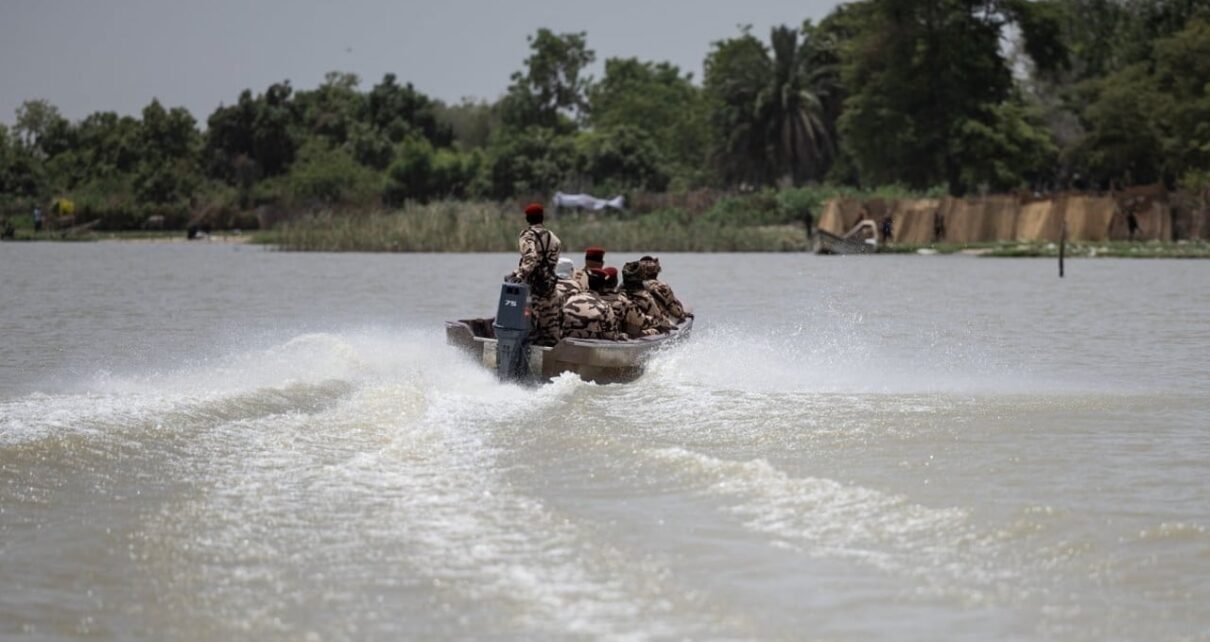
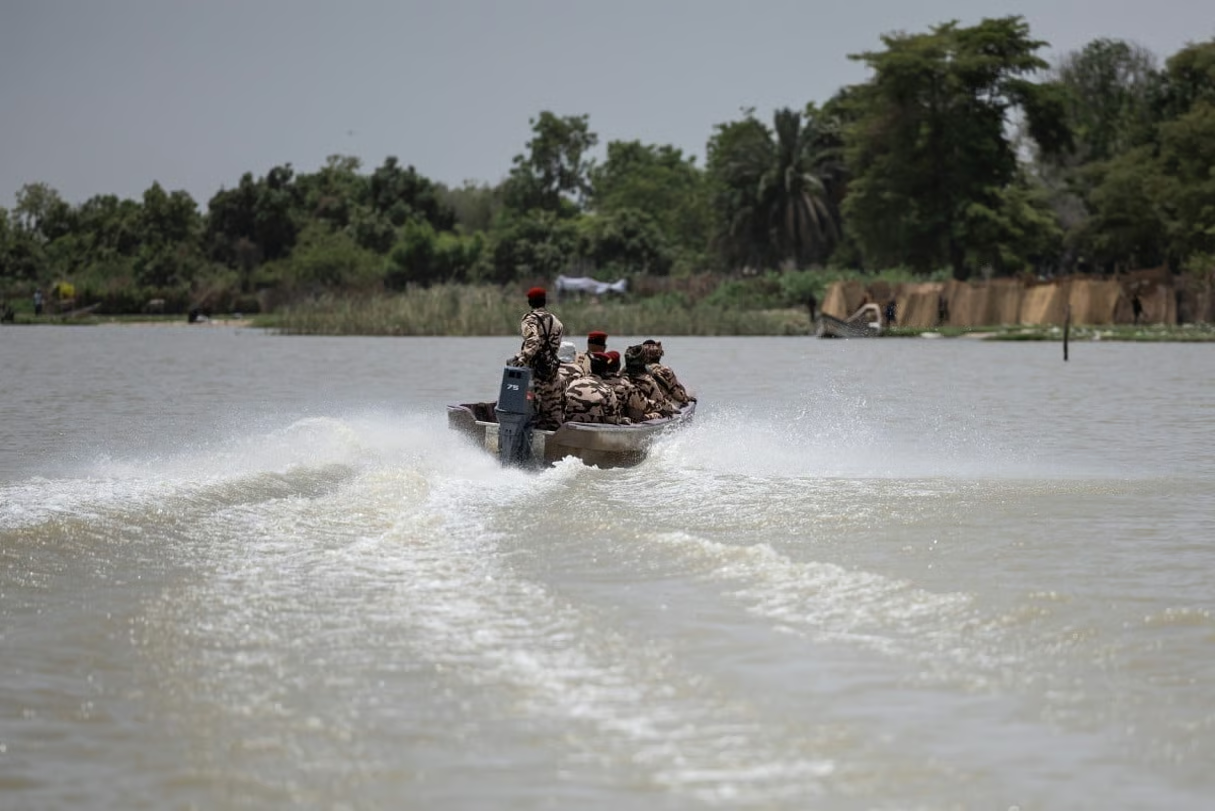
Dozens of Nigerian fishermen are feared dead after Chadian airstrikes targeted jihadist positions near the Chad-Nigeria border on Lake Chad. According to witnesses, including members of a local anti-jihadist defense group, the strikes began on Friday, May 6, following a deadly attack by Boko Haram on a Chadian military base that left 24 soldiers dead.
“Casualties are difficult to assess as the operation is still ongoing,” admitted one witness who requested anonymity. The strikes specifically targeted Shuwa Island, a known stronghold of Boko Haram where Nigerian fishermen pay a “tax” to access the area’s abundant fishing grounds.
missing fishermen feared drowned
A local fishermen’s union leader reported that 40 Nigerian fishermen are missing and presumed drowned after the aerial assaults. This account is based on testimonies from survivors who managed to escape the violence. Fishermen from Doron Baga and Taraba State were particularly affected, with many killed in the strikes.
“It’s no secret that Nigerian fishermen pay Boko Haram to access these remote islands,” explained Adamu Haladu, a fisherman from Baga. “The waters around Shuwa Island are rich in fish, which is why we continue to risk our lives in this dangerous area.”
history of civilian casualties
The Chadian military has yet to comment on the incident. This isn’t the first time Chadian forces have faced accusations of harming civilians while targeting jihadists. In October 2024, a similar incident occurred on Tilma Island, where a retaliatory strike against Boko Haram killed dozens of civilians instead of the intended jihadist fighters.
The Boko Haram insurgency has claimed over 40,000 lives and displaced 2 million people in Nigeria’s northeast since 2009. The conflict has spilled across borders into Niger, Cameroon, and Chad, with Lake Chad becoming a major battleground for both Boko Haram and ISWAP militants.
To combat the growing threat, Nigeria, Chad, Cameroon, and Niger revived the Multinational Joint Task Force in 2015. However, Niger withdrew from the coalition in 2025, complicating regional security efforts.