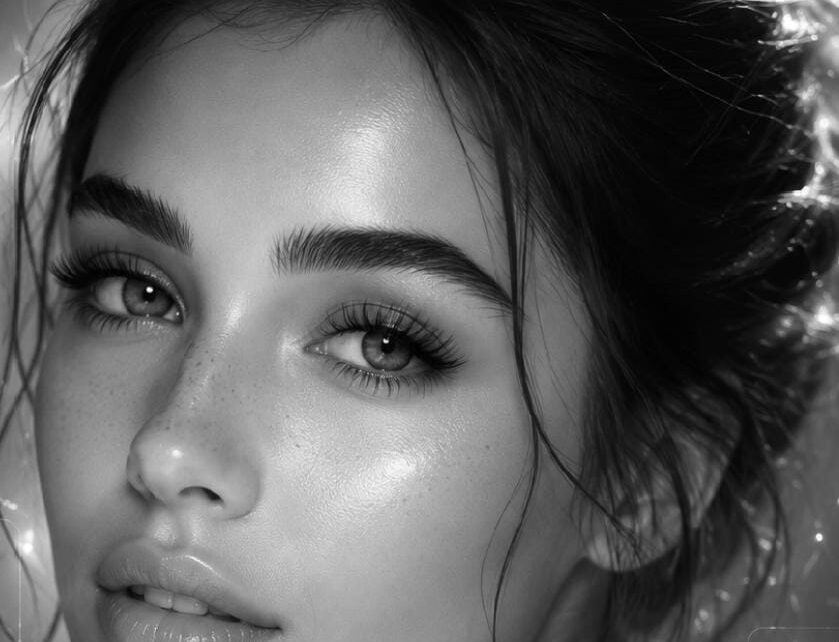
digital beauty trap: young girls in N’Djamena under social media pressure
In N’Djamena, social media’s relentless focus on appearance is reshaping how young girls view themselves, fueling self-doubt and risky behaviors.
By Barra Lutter
Scroll through TikTok or Instagram in N’Djamena, and the message is clear: flawless skin, sculpted figures, and perfectly curated lives dominate the screen. Filters smooth imperfections, editing apps reshape reality, and what’s left is an endless stream of altered images that set impossible standards. For many young girls, this digital world isn’t just entertainment—it’s becoming an inescapable benchmark for self-worth.
The pressure isn’t just felt; it’s internalized. A flawless complexion, designer outfits, or a flawless makeup look no longer reflect personal style—they’re prerequisites for social acceptance. The mirror alone no longer suffices; what matters is how one appears through the lens of a smartphone camera. The most disturbing trend? This obsession is creeping into the lives of girls barely out of childhood. Some spend hours tweaking selfies before posting, while others delete photos that don’t rack up enough likes. Slowly but surely, self-esteem becomes tethered to virtual validation.
when beauty becomes a currency
Social media has turned physical appearance into a competitive sport. Every post whispers the same unspoken rule: be more attractive, more stylish, more visible. The relentless pursuit of digital perfection breeds silent frustration. Countless young women grow up believing they’ll never measure up—not to the standards around them, and certainly not to the carefully crafted personas they see online.
The consequences can be severe. Some turn to skin-lightening products in desperate attempts to align with unrealistic beauty ideals. Others drain limited funds on trendy clothes and cosmetics, chasing an image that feels perpetually out of reach. In extreme cases, the obsession with physical perfection leads to unhealthy behaviors, from extreme dieting to excessive cosmetic procedures. The smartphone, once a tool for connection, becomes a mirror of inadequacy.
the illusion behind the filters
What viewers see is carefully curated content—airbrushed faces, staged poses, and meticulously edited videos. Even influencers, often held up as role models, face immense pressure to maintain an immaculate online image. Yet this behind-the-scenes struggle is rarely visible. What remains is a polished, artificial version of beauty presented as reality.
The real danger lies not in social media itself, but in how it reshapes perceptions. A generation is growing up convinced that their value hinges on appearance rather than character, intelligence, or talent. When society reduces young women to their image alone, their true potential is overlooked—and once lost, it’s not easily regained.
It’s time to shift the narrative. Young girls need to understand that real beauty isn’t found in a filter or a fleeting trend. Lasting confidence comes from within, and no algorithm should dictate their self-worth. After all, trends fade, but self-assurance endures.