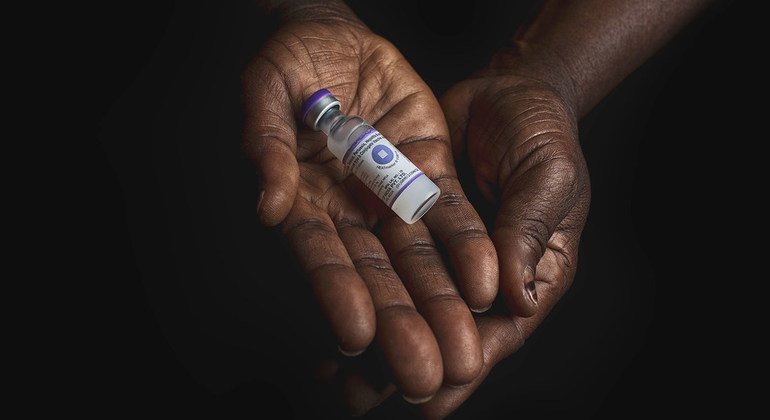
diphtheria in Mali: surge amid ongoing humanitarian crisis
Since mid-September, Mali has faced a rapid surge in diphtheria cases, an otherwise preventable disease, thriving amid a weakened healthcare system, chronic shortages, and increasingly restricted humanitarian access.
By early December, over 530 cases and 30 deaths had been officially reported. However, the United Nations warns the actual toll may be far higher due to widespread underreporting.
The regions of Mopti and Ségou in central Mali, along with Tombouctou in the northwest, report the highest mortality rates. These areas are already among the most vulnerable to insecurity, movement restrictions, and collapsing public services. Here, the disease spreads due to vaccine shortages, limited healthcare access, compounded by population displacement and persistent instability.
UN allocates $1 million for emergency response
In response to the crisis, UN Emergency Relief Coordinator Tom Fletcher released $1 million from the Central Emergency Response Fund (CERF) to support immediate health interventions. The funds will enable the World Health Organization (WHO) to deploy emergency medical teams, distribute antibiotics and antitoxins, enhance infection prevention, patient care, contact tracing, and community awareness campaigns.
Yet, this health response faces harsh realities. Humanitarian access across much of central and northern Mali is increasingly compromised by fuel shortages, movement restrictions, and insecurity. Mobile clinics operate under reduced capacity, supply chains falter, and isolated communities remain beyond reach.
The diphtheria outbreak underscores a broader humanitarian emergency. In a country where over a quarter of the population requires assistance, this disease highlights the fragility of state structures and the urgent need for sustained support.