The World Health Organization (WHO) has officially acknowledged Niger as the first country in the African Region to halt the transmission of Onchocerca volvulus, the parasite responsible for river blindness. This milestone places Niger among only five nations globally to achieve this distinction.
Dr. Tedros Adhanom Ghebreyesus, WHO Director-General, highlighted the significance of this accomplishment: « Eliminating a disease is a monumental achievement that demands unwavering dedication. I commend Niger for its relentless efforts to protect its people from this stigmatizing, poverty-driven condition that robs countless lives of vision and dignity. This victory not only underscores our progress in combating neglected tropical diseases but also serves as a beacon of hope for nations still battling river blindness.»
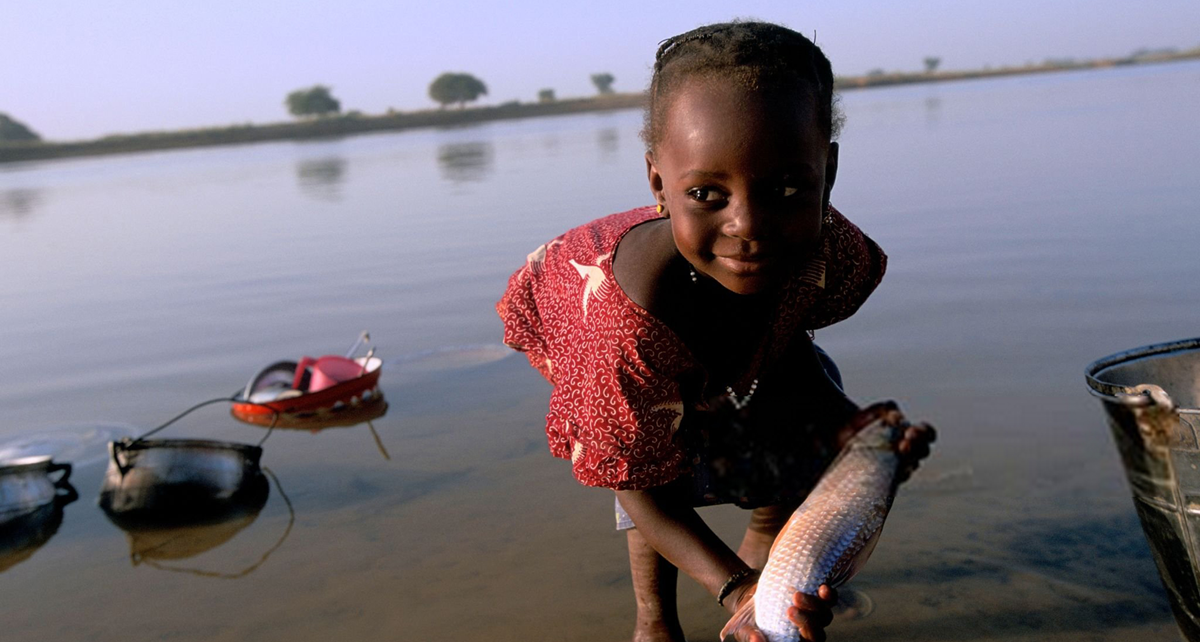
River blindness, or onchocerciasis, ranks as the world’s second leading infectious cause of blindness after trachoma. Spread by the bite of infected blackflies near water sources, the disease disproportionately affects rural communities in sub-Saharan Africa and Yemen, with smaller endemic zones in Latin America.
country-led initiatives and global partnerships drive success
Niger’s triumph stems from a multi-pronged strategy combining vector control and mass drug administration (MDA). Between 1976 and 1989, the country participated in the Onchocerciasis Control Programme in West Africa (OCP), deploying insecticide spraying to drastically reduce transmission rates. Later, from 2008 to 2019, mass drug campaigns—facilitated by Merck’s donation of ivermectin—were launched in areas co-endemic for lymphatic filariasis, inadvertently accelerating the fight against river blindness due to ivermectin’s dual efficacy.
By 2014, Niger initiated preliminary assessments to confirm transmission interruption, replacing MDA with rigorous entomological and epidemiological surveys. These efforts revealed a staggering decline in prevalence—from roughly 60% to a mere 0.02%—confirming the parasite’s elimination. Collaborative support from the Nigerien government, WHO, and NGOs played a pivotal role by providing technical expertise and mobilizing resources to sustain progress.
Dr. Matshidiso Moeti, WHO Regional Director for Africa, emphasized the broader impact: « River blindness has devastated lives and stifled economic growth in affected communities, forcing families to abandon vital riverbanks that sustain their livelihoods. Niger’s success not only liberates its people from this burden but also sets a powerful example for Africa in eliminating neglected tropical diseases. The country’s 2013 certification for eradicating Guinea worm disease further solidifies its leadership in public health.»
global milestones and african leadership
Globally, 54 countries have successfully eliminated at least one neglected tropical disease, with Niger joining a select group—including Colombia, Ecuador, Guatemala, and Mexico—in achieving WHO-certified elimination of river blindness, all located in the Americas.
In the African Region, Niger is the second country to eliminate a neglected tropical disease, following its 2013 certification for interrupting transmission of dracunculiasis (Guinea worm disease). With 21 African nations now having eliminated at least one such disease, Niger’s achievement reinforces the continent’s progress toward health equity and sustainable development.