The Sahel region is witnessing a troubling surge in injustice, with three neighboring nations—Burkina Faso, Mali, and Niger—facing a shared crisis rooted in military governance and weakened regional accountability.
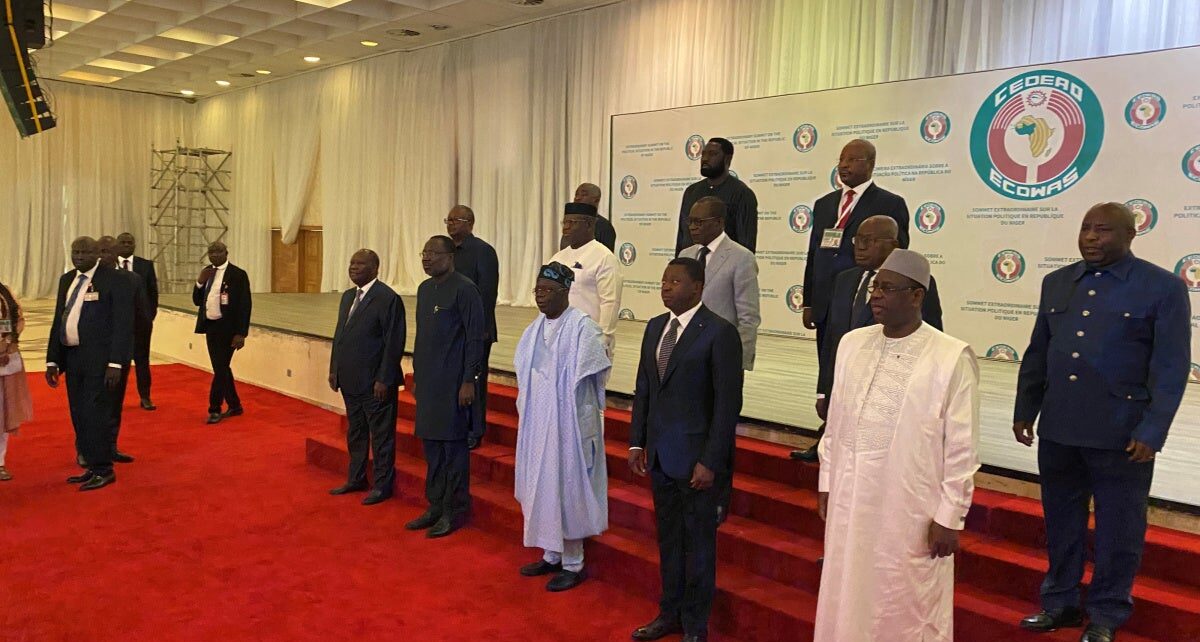
At the heart of this issue lies a critical factor: all three countries have formally withdrawn from the Economic Community of West African States (ECOWAS), a move that has far-reaching consequences for the rule of law.
why military juntas seek to evade justice
Under ECOWAS, the Community Court of Justice has served as a vital mechanism for victims of human rights abuses. Since 2005, this court has allowed citizens to bypass national legal systems and seek justice directly for violations committed by state actors, including security forces. Its rulings have set important precedents, especially in cases involving Burkina Faso, Mali, and Niger.
For military juntas in these countries—whose forces are frequently implicated in grave human rights violations—the decision to leave ECOWAS is a calculated effort to evade accountability. By withdrawing from the regional bloc, they remove themselves from the jurisdiction of the Court of Justice, shielding themselves from legal scrutiny over atrocities committed against civilians.
the human cost of weakened legal recourse
The consequences for victims are severe. Before the ECOWAS exit, local and national justice systems in Burkina Faso, Mali, and Niger were already failing to hold perpetrators accountable. Investigations into abuses by military forces and armed groups remain rare, and prosecutions are even rarer. Now, with the loss of another layer of legal protection—the Community Court—the prospects for justice have dwindled further.
A political activist from Mali, now living in exile in France, highlighted the grim reality: “Since seizing power through force, these military governments have consistently failed to hold those responsible for blatant human rights violations to account. This latest decision only underscores their disregard for human rights and the rule of law.”
a regional alliance without justice
The formation of a new confederation by these three nations signals a troubling alignment—one that appears to prioritize political control over justice and accountability. As military rule tightens its grip, the already limited avenues for victims to seek redress are being systematically dismantled, leaving a void where protection and justice once stood.