Mali: escalating repression and authoritarian drift under military rule
The UN’s top human rights official has issued a stark warning about Mali’s deteriorating political landscape, where democratic processes are eroding in favor of an increasingly authoritarian regime.
Since seizing power in 2020, Mali’s military leadership has systematically consolidated control under General Assimi Goïta, pushing the nation further away from democratic elections. Volker Türk, the UN High Commissioner for Human Rights, condemned these legal maneuvers in a recent statement, emphasizing that they effectively close the door on future elections. He urged immediate restoration of fundamental freedoms for the Malian people.
Indefinite postponement of elections
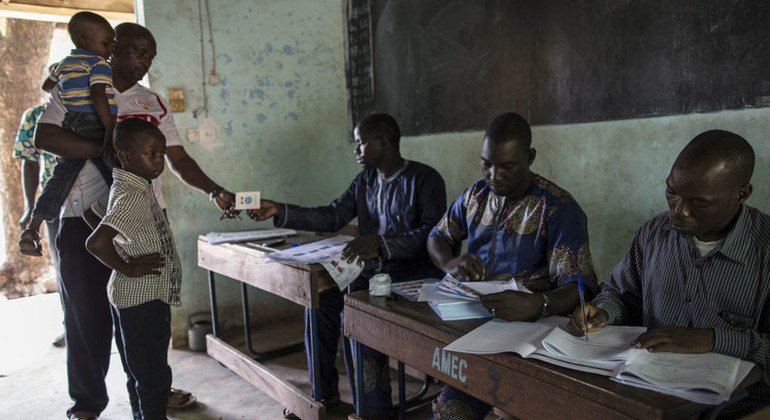
Nearly five years after Ibrahim Boubacar Keïta was ousted in a coup condemned by the UN Security Council, Mali’s transition to civilian rule remains stalled. No presidential elections have been held since his 2018 victory. On July 8, a new law granted Goïta the power to extend his term indefinitely, with no electoral process required until the country achieves “pacification.” Earlier, a presidential decree dissolved all political parties and organizations, further tightening the junta’s grip on power. These actions, according to Türk, violate citizens’ rights to participate in public affairs, vote, and run for office.
Broad crackdown on dissent
The crackdown extends beyond legal changes. Moussa Mara, a prominent opposition figure and former prime minister, was arrested on August 1 for “undermining state credibility” and “opposing legitimate authority.” His offense? Posting a message on X expressing solidarity with political prisoners. Türk decried the misuse of legal systems to silence dissent, noting a surge in arrests targeting Malians from all walks of life under similar charges to those leveled against Mara.
Civilian toll amid ongoing violence
Mali continues to face relentless attacks by Islamist militant groups, including the Group for Support of Islam and Muslims (GSIM), an Al-Qaeda affiliate, and ISIS, which operate across the Sahel region, including Mali, Burkina Faso, and Niger. While the Malian military, backed by Russian paramilitary forces known as the Africa Corps, conducts counteroperations, civilians bear the brunt of the violence. The UN human rights office reports that since April, there have been hundreds of extrajudicial executions, arbitrary detentions, forced disappearances, and abductions carried out by all parties involved in the conflict.
With elections indefinitely suspended and repression escalating, the United Nations warns that Mali risks descending into a prolonged cycle of political deadlock and violence, deepening the crisis for its already struggling population.

Related Articles