- Actualité
- AFRIQUE
Diplomatic rift widens over Senegal’s anti-LGBT law and French national’s arrest
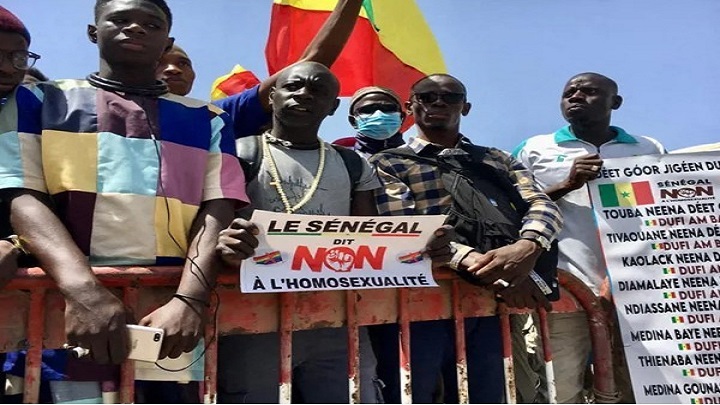
A new wave of diplomatic strain has emerged between Senegal and France, sparked by the recent enactment of a Senegalese law increasing penalties for same-sex relations and the February 2026 arrest of a French national in Dakar. These two incidents, unfolding within an already sensitive geopolitical landscape, have ignited strong political reactions and reignited discussions surrounding human rights, national sovereignty, and the intricate diplomatic ties connecting the two nations.
On March 11, 2026, Senegal’s National Assembly officially passed legislation that tightens the penal code concerning homosexuality. Senegalese authorities have justified this legal reform by asserting their intent to solidify a legal framework that, in their view, aligns with the country’s predominant socio-cultural values. This legislative shift builds upon existing restrictive laws on these matters but significantly escalates the potential penalties, immediately drawing considerable attention from various international organizations and political figures.
Concurrently, a French engineer, in his thirties and residing in Dakar, was apprehended on February 14, 2026. Reports from diplomatic channels and various international media indicate that he faces multiple charges, including “acts against nature,” criminal association, money laundering, and attempted HIV transmission. French consular services have confirmed their close monitoring of the situation, maintaining regular contact with both the detainee and his family.
This judicial matter quickly escalated into a political and diplomatic flashpoint. In France, several prominent officials voiced their profound concern regarding the plight of LGBT+ individuals in Senegal, as well as the conditions under which the French national is being held. Among the most notable reactions was that of Yaël Braun-Pivet, who publicly condemned violations of LGBT+ rights, highlighting instances of discrimination and violence. She reiterated her stance that the criminalization of sexual orientation constitutes a fundamental human rights infringement.
These assertive declarations have been met with varied responses. Some political leaders and observers interpret them as a legitimate expression of concern for human rights, while others view them as an undue interference in the internal affairs of a sovereign state. They emphasize that each nation possesses the right to establish its own laws, grounded in its unique social, cultural, and legal context.
The debate has intensified against the backdrop of evolving Franco-Senegalese relations. For several years, Dakar and Paris have sought to redefine their partnership across economic, security, and diplomatic spheres. This ambition to rebalance their relationship is sometimes perceived differently by various stakeholders, leading to intermittent tensions on sensitive issues.
In this dynamic, the rights of sexual minorities have emerged as a significant point of contention. Activist voices advocate for international protection mechanisms for LGBT+ individuals facing risks of persecution, while others underscore the importance of respecting national sovereignty and local cultural realities.
Beyond the individual case of the French national, this affair vividly illustrates the deep-seated divergences between Western and African perspectives on individual rights and freedoms. It also highlights the inherent challenges of fostering calm diplomatic dialogue on highly sensitive subjects. As official exchanges between Paris and Dakar continue, both capitals appear to be navigating a relationship where cooperation and disagreement are now visibly intertwined.