DR Congo battles Ebola spread as fourth province falls ill
Health crisis.
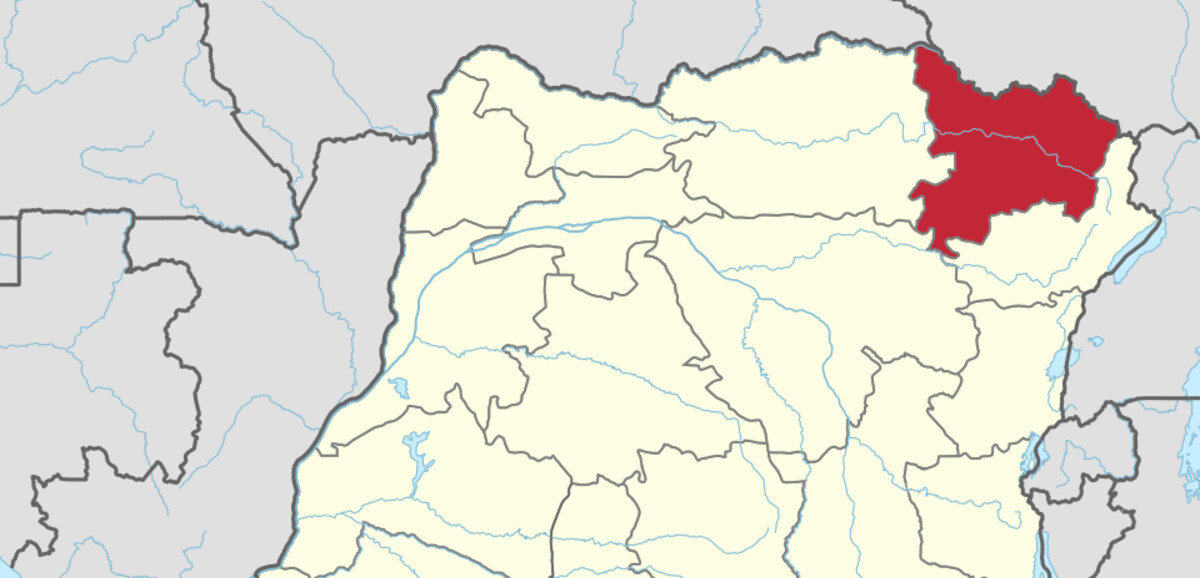
In the Democratic Republic of Congo, the Ebola outbreak has now reached a fourth province, with Haut-Uélé in the northeast reporting its first cases. Health authorities confirm 1,274 infections and 360 deaths since the outbreak was declared in May, with Ituri remaining the hardest-hit region. Containment efforts face immense challenges due to remote access, armed conflict, and deep-seated public distrust.
Previously, three provinces were grappling with the Ebola crisis: Ituri (bordering Uganda and South Sudan), neighboring North Kivu, and South Kivu. Uganda has reported 20 cases, including two fatalities.
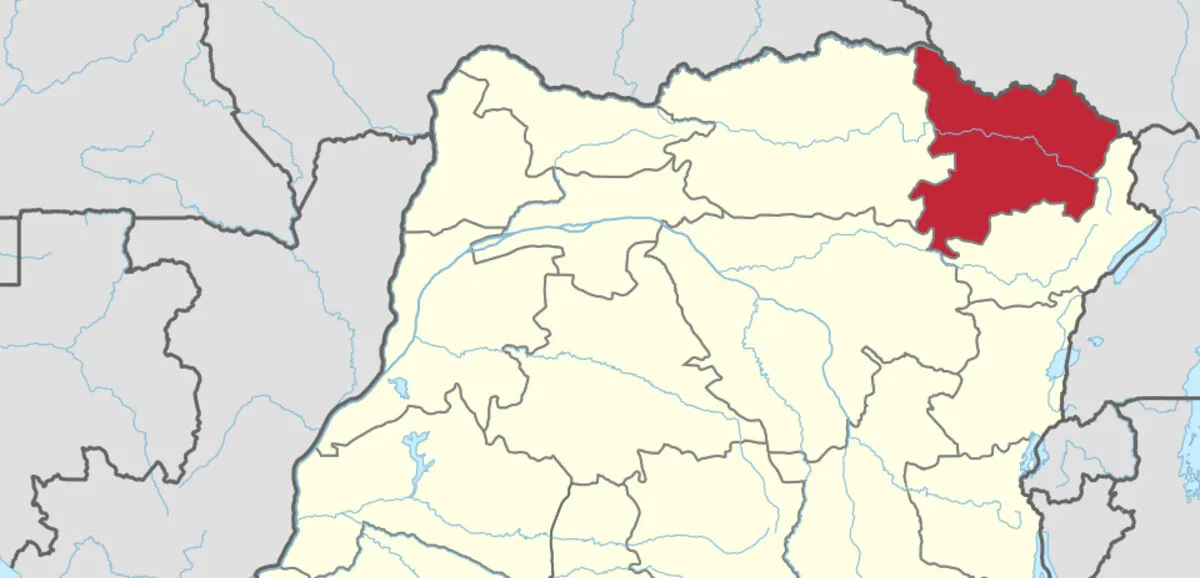
Haut-Uélé now becomes the fourth Congolese province affected. Bordering Ituri, this region shares frontiers with South Sudan and the Central African Republic.
Health officials trace the virus’s arrival to a traveler who moved from Ituri to Haut-Uélé, where the infection ultimately proved fatal. Epidemiologists continue tracing transmission chains and identifying contacts, with funeral rites emerging as a major transmission vector—infected corpses remain highly contagious for days.
Humanitarian teams face resistance while battling insecurity
Teams are working against the clock to organize safe burials under strict sanitary protocols, but cultural practices often clash with health guidelines. Families traditionally handle deceased loved ones for days during mourning ceremonies, exacerbating transmission risks.
Haut-Uélé mirrors Ituri’s struggles: a crossroads of nations rich in gold, fueling intense trade and transit that inadvertently accelerate virus spread. Armed groups have intensified attacks in both regions, with the ADF militia—affiliated with the Islamic State—perpetrating massacres in Ituri for over a decade. Recent incursions into Haut-Uélé by these and neighboring militias have further destabilized response efforts.
The delay in detecting the outbreak has compounded challenges. Some suspect cases date back to January, but limited resources—including protective gear and chlorine—hamper response teams. Ebola treatment centers, supported by the WHO and NGOs, are operating at over 138% capacity, with 78 healthcare workers infected and 18 fatalities.
Experts warn the outbreak is far from peaking. With transmission persisting six weeks after official declaration, the crisis could persist for six months to a year. Ebola, transmitted through bodily fluids, has claimed over 15,000 lives in Africa over the past 50 years—the deadliest DR Congo outbreak between 2018 and 2020 killed nearly 2,300 of 3,500 cases.