DRC east: m23 rebels receive ongoing Rwanda military support
The M23 rebel alliance, now operating under the banner of the Alliance des Forces du Congo (AFC), continues to expand its territorial control across North Kivu and South Kivu with sustained military backing from Rwanda Defence Forces (RDF). This persistent support, documented in the latest United Nations expert report, shows no signs of significant withdrawal despite international pressure.
UN report details extensive RDF involvement
The UN Group of Experts report, submitted to the UN Security Council on May 8, 2026 and reviewed June 5, reveals critical findings about cross-border military cooperation between Kigali and the AFC/M23. Field investigations confirm the continuous presence of RDF troops in eastern Democratic Republic of Congo (DRC), with fresh reinforcements arriving even as diplomatic negotiations stall.
Advanced military capabilities deployed
According to the report, RDF forces have integrated advanced warfare technologies into AFC/M23 operations, including:
- Unmanned aerial systems (drones) for reconnaissance and strikes
- Electronic warfare equipment to disrupt communications
- Special forces units for precision operations
- Aerial combat support through coordinated air assets
Strategic integration raises questions
The document highlights disturbing operational realities:
- RDF units have been observed conducting operations in areas beyond FDLR presence, particularly around Uvira
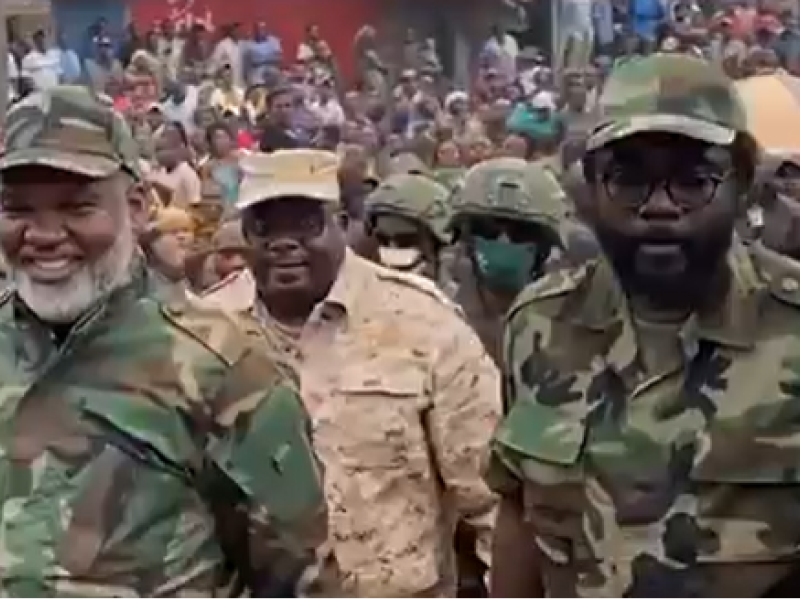
- Rwandan troops have begun wearing AFC/M23 uniforms to avoid detection
- Night-time troop movements minimize visibility while maximizing operational surprise
- RDF personnel are integrated into mixed battalions alongside M23 commandos from regions like Bigogwe, Rubavu and Cyangugu
“Each AFC/M23 combat unit operates under direct RDF supervision. The level of integration suggests a de facto merger rather than mere tactical support. RDF troops deployed in DRC have started adopting M23 insignia to conceal their identity, demonstrating the depth of this military partnership.”
Troop numbers and deployment patterns
The UN experts estimate RDF deployment figures as follows:
- South Kivu: 8,000–10,000 troops (December 2025) with subsequent reinforcements
- North Kivu: 6,000–8,000 troops (December 2025) with ongoing rotations
Key observations:
- No significant withdrawal has occurred since initial deployment
- Troop movements consist primarily of rotations and reinforcements
- RDF maintains strategic positions supporting AFC/M23 offensives
- Open operational corridors facilitate rebel group movements
International response falls short
The persistent RDF support occurs despite multiple diplomatic initiatives:
Washington Agreement complications
The Washington Agreement, signed nearly a year ago, has failed to produce tangible results. Kinshasa and Kigali continue to interpret its provisions differently, creating implementation gridlock. The agreement’s monitoring mechanisms have proven ineffective against cross-border military cooperation.
Doha Process stagnation
The Qatari-mediated talks have made minimal progress. AFC/M23 representatives, backed by Rwandan military support, have consistently met their commitments while Kinshasa’s obligations remain unfulfilled. Regional instability and shifting international priorities have further sidelined this peace process.
Montreux negotiations disappoint
The Swiss-hosted talks, intended to revitalize diplomatic efforts, have yielded no concrete outcomes. Key security concerns remain unaddressed as the crisis intensifies across eastern DRC.
Escalating humanitarian crisis
The sustained military engagement has triggered severe consequences:
- Mass displacement of civilian populations
- Increased violations of fundamental rights
- Systematic obstruction of humanitarian access
- Collapse of essential services in conflict zones
International observers warn that without immediate intervention, the situation may reach irreversible tipping points.