
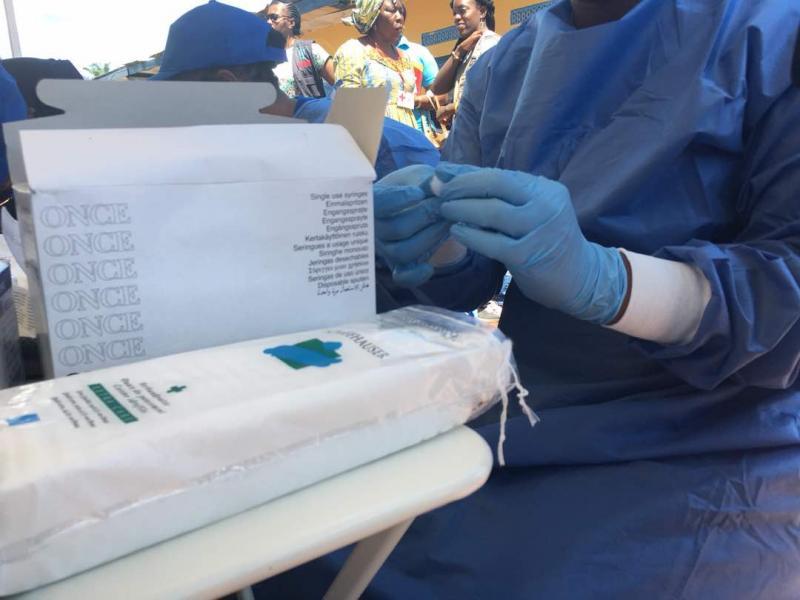
The Democratic Republic of the Congo has made significant strides in its fight against the Ebola Bundibugyo outbreak, with 19 patients declared fully recovered and discharged from treatment centers as of this week. Health authorities confirm these recoveries mark a critical milestone in managing the epidemic that has affected multiple provinces.
rapid response efforts yield progress
Since the Ebola Bundibugyo virus was officially detected in the eastern DR Congo on May 15, rapid intervention teams have been deployed across the most affected health zones. These measures have enabled swift patient isolation and treatment, contributing to the increasing number of recoveries. According to the National Institute of Public Health, the current recovery rate reflects the effectiveness of the coordinated response strategy.
current outbreak statistics
As of the latest health bulletin, the outbreak has resulted in 550 confirmed cases, including 101 deaths. A total of 309 patients remain under isolation and medical care. The Ituri Province continues to bear the brunt of the epidemic, accounting for a majority of the cases. Of the 25 health zones impacted, 17 are located in Ituri, highlighting the urgent need for sustained intervention in this region.
hardest-hit areas in ituri
Among the most affected health zones in Ituri are:
- Aru
- Aungba
- Bambu
- Bunia
- Damas
- Gety
- Kilo
- Komanda
- Lita
- Logo
- Mambasa
- Mangala
- Mongbwalu
- Nizi
- Nyankunde
- Rimba
- Rwampara
ongoing challenges and response measures
While the recovery of 19 patients is a positive development, health officials emphasize that the situation remains highly dynamic. Efforts to trace contacts, provide vaccination, and educate communities continue to be intensified. The Ituri Province, serving as the epicenter, requires focused resources to curb further transmission and protect vulnerable populations.
Health experts are closely monitoring the situation, with particular attention on preventing the spread to neighboring provinces and ensuring that response teams remain equipped to handle any escalation. The evolving nature of the outbreak underscores the importance of maintaining vigilance and supporting public health initiatives in the region.