Unrest Grips Bamako as JNIM Threatens Imminent Operations
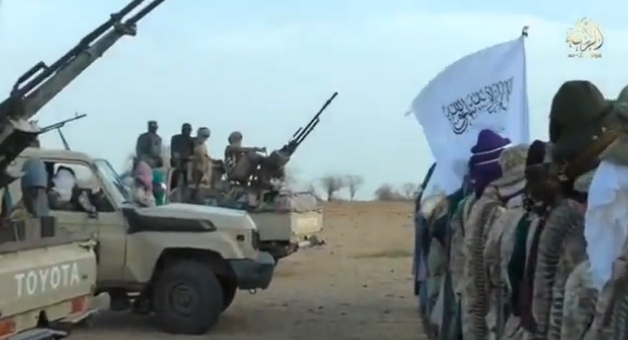
The Malian capital, Bamako, is grappling with heightened security concerns following the release of a video by the Support Group for Islam and Muslims (JNIM) on the evening of June 11, 2026. The footage, disseminated by Al-Qaïda’s Sahel branch, depicts intensified military and logistical preparations, accompanied by explicit warnings of forthcoming attacks targeting critical national infrastructure or state symbols.
Psychological Warfare Tactics Escalate
The video marks a significant escalation in psychological warfare, as the JNIM directly named two officers from the National Agency for State Security (ANSE) in a publicly circulated “hit list.” This targeted approach has amplified anxieties within Bamako’s intelligence circles, where officials now confront the specter of personalized threats. Local observers note that the deliberate nature of these actions is designed to undermine confidence in the state’s ability to protect its personnel.
Military Morale Wanes Amidst Rising Threats
Reports of eroding morale within the Malian Armed Forces (FAMa) have intensified in recent days. Commanders reportedly fear potential refusals to engage in combat should a coordinated JNIM offensive materialize. In response, the transitional military junta has introduced exceptional combat bonuses to bolster motivation and deter desertions. Analysts, however, suggest that financial incentives alone are insufficient to address the deeper crisis of confidence and strategic shortcomings plaguing the armed forces.
« Monetary rewards no longer suffice to counterbalance the pervasive fear of an impending escalation or the lack of a coherent defensive strategy, » remarked a regional defense specialist, speaking on condition of anonymity.
Elite Departures Signal Internal Instability
The deteriorating security landscape has begun to unsettle the political and military elite. Unconfirmed reports indicate the expedited relocation of several high-ranking officials’ families abroad, including those of active ministers. While no official acknowledgment has been issued regarding these departures or the JNIM video, such movements—if verified—would underscore a profound lack of internal confidence in the state’s capacity to safeguard Bamako and its surroundings.
As the coming days loom with uncertainty, the capital remains on edge. The population oscillates between dread of further military escalation and anticipation of decisive action from the transitional government.