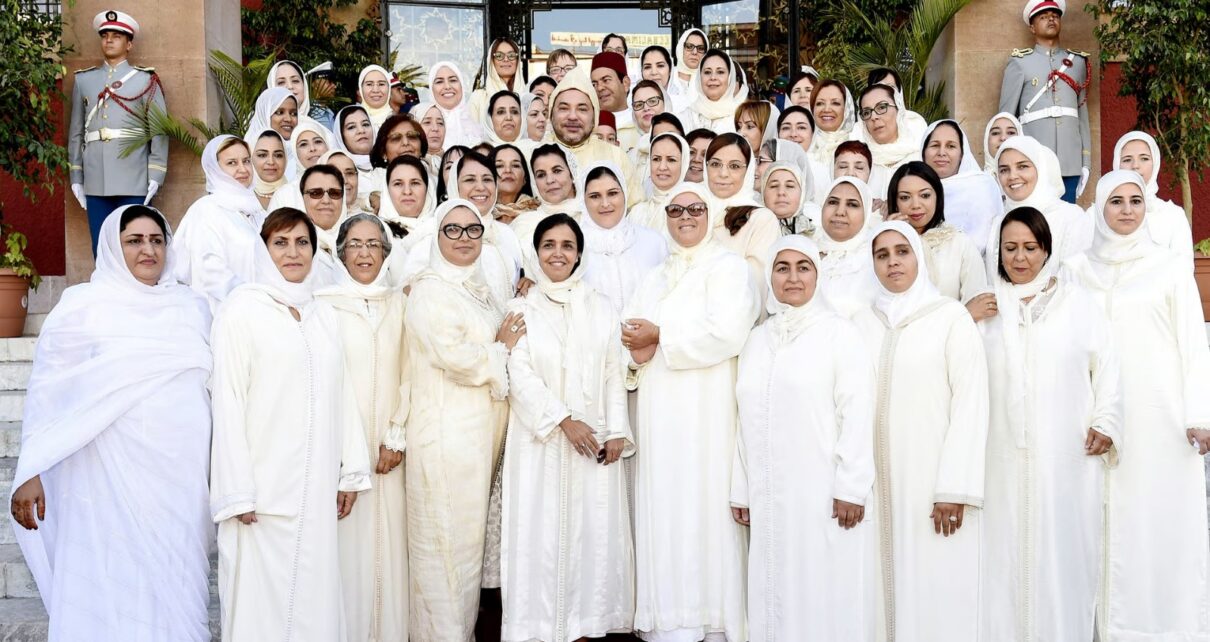
Morocco stands at a pivotal moment in its democratic evolution as the nation gears up for the 2026 legislative elections. The journey of women’s political participation here has been marked by historic reforms, grassroots activism, and an ongoing struggle for genuine parity. As the countdown to September 2026 begins, the debate intensifies over whether the legal framework has translated into meaningful representation at the highest levels of governance.
From Exclusion to Quotas: A Historic Overview
For decades following independence, women in Morocco remained largely absent from the political arena. The first breakthrough came in 1993 when two women entered the Chamber of Representatives—a modest start to what would become a transformative era. The true turning point arrived in the early 2000s with the introduction of affirmative action policies, setting the stage for a more inclusive political landscape.
The milestones speak for themselves:
- 2002: The introduction of a national list system reserved 30 seats in the Chamber of Representatives exclusively for women, signaling the beginning of a structured approach to gender equality.
- 2011: The constitutional overhaul enshrined gender equality in Article 19, mandating the state to pursue parity. This reform doubled the number of reserved seats to 60.
- 2021: The shift to regional lists expanded women’s territorial representation, further increasing their presence to 90 seats in the Chamber of Representatives.
These reforms have empowered Moroccan women to demonstrate their capabilities across political, labor, and civil society spheres. Yet, despite these legal advancements, structural barriers persist, particularly in local governance and party leadership positions.
2026 Elections: Civil Society Sounds the Alarm
As the 2026 legislative elections approach, women’s rights organizations have raised urgent concerns over the glaring underrepresentation of female candidates as top contenders on party lists. Data from initial nominations reveals a troubling pattern: women are frequently relegated to secondary positions, while men dominate the critical top spots that historically secure electoral success.
This disparity raises a fundamental question: How genuine is the commitment of political parties to the principles of equality and parity? The answer, according to activists, is far from reassuring. The head of the list is statistically the most likely to win a seat, making the marginalization of women in these roles a critical issue.
Family Ties vs. Meritocracy: The Distortion of Quotas
A deeper examination of the nomination process reveals another troubling trend—the manipulation of gender quotas through familial favoritism. Some party leaders have exploited reserved seats and quotas to position their wives, daughters, or other relatives at the forefront of electoral lists. This practice not only undermines the spirit of affirmative action but also sidelines long-standing female activists who have fought for decades within political and civil society structures.
The consequences are twofold. First, it perpetuates a perception of women’s political participation as a matter of inheritance rather than merit. Second, it erodes public trust in electoral institutions, reducing the credibility of gender-focused reforms to mere symbolic gestures.
A Call for Structural Reform
Women’s rights coalitions are urging a national dialogue to address the cultural and institutional barriers that continue to hinder women’s leadership in politics. The proposed solutions are clear:
- Political Parties Must Lead by Example: Parties should commit to placing women in at least one-third of top list positions, ensuring a true parity-based approach.
- Transparent and Ethical Selection Criteria: Nominations must prioritize competence, activism, and historical engagement, eliminating familial privilege and nepotism to guarantee equitable opportunities.
- Rigorous Oversight by Authorities: Electoral monitoring bodies must enforce compliance with gender parity laws, ensuring that reserved seats benefit the broader community rather than narrow familial circles.
Reflections on the Path Ahead
Moroccan women are more than voters or campaign tools—they are essential architects of the nation’s future. The true test of Morocco’s democratic maturity will be its ability to transition from symbolic representation and familial favoritism to a system where women’s political participation is normalized, equitable, and based on merit. The 2026 elections present an opportunity to redefine the narrative, moving beyond quotas to a future where gender equality is not just a legal obligation but a lived reality.