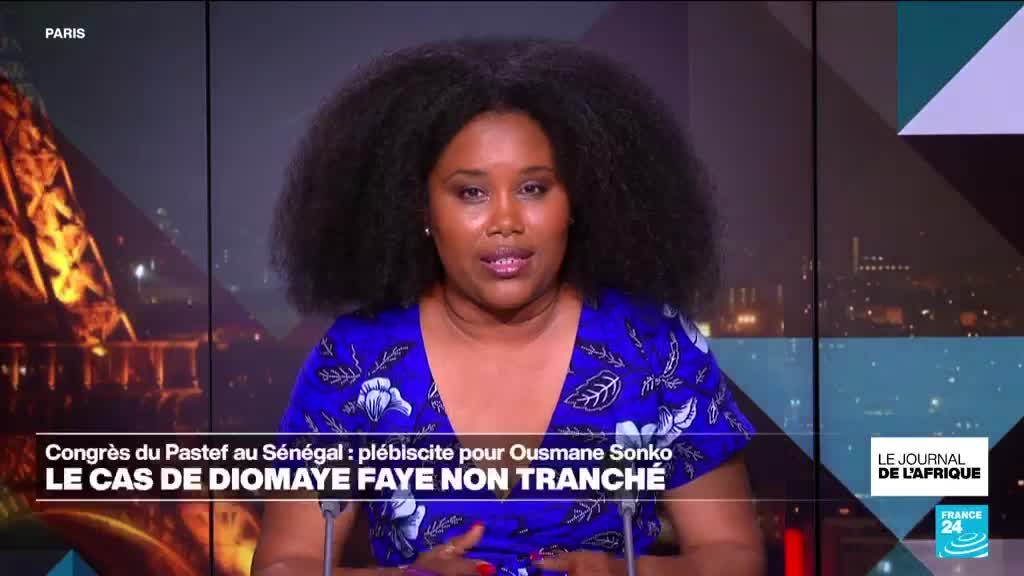
Barely two years into their shared leadership, the once-united duo of Bassirou Diomaye Faye and Ousmane Sonko has fractured. Tensions had been simmering for months before the Senegalese president took decisive action, dismissing his prime minister in a move that sent shockwaves through the political landscape. This past weekend, Sonko was reinstated as leader of the Pastef party during its first congress since its inception, signaling a dramatic realignment of power.
What does this breakup reveal?
At the heart of this political divorce lies a fundamental question: who truly holds the reins of the change movement that propelled both men into office? The reshuffle at the helm of Pastef and the government’s restructuring have laid bare the fractures in what was once hailed as a united front. Observers are now scrutinizing the implications for Senegal’s political stability and the future of its governing coalition.
Electoral dynamics in flux
With Sonko back at the helm of Pastef, the party’s traditional voter base faces a period of uncertainty. The realignment raises critical questions about the movement’s ability to maintain its momentum ahead of the 2029 elections. Will Sonko’s leadership galvanize the electorate, or will the party’s influence wane under the weight of internal divisions?
Risks on the horizon
The sudden shift in the political landscape carries significant risks for Senegal’s stability. A fractured coalition could weaken governance, undermine policy implementation, and erode public trust in institutions. Meanwhile, the opposition is poised to exploit these divisions, potentially reshaping the country’s political trajectory in unforeseen ways.
What’s next for Senegal?
As the dust settles, all eyes are on Diomaye and Sonko to see whether they can navigate this crisis without further destabilizing the nation. The coming months will be pivotal in determining whether this political realignment strengthens or undermines the foundations of Senegal’s democracy.