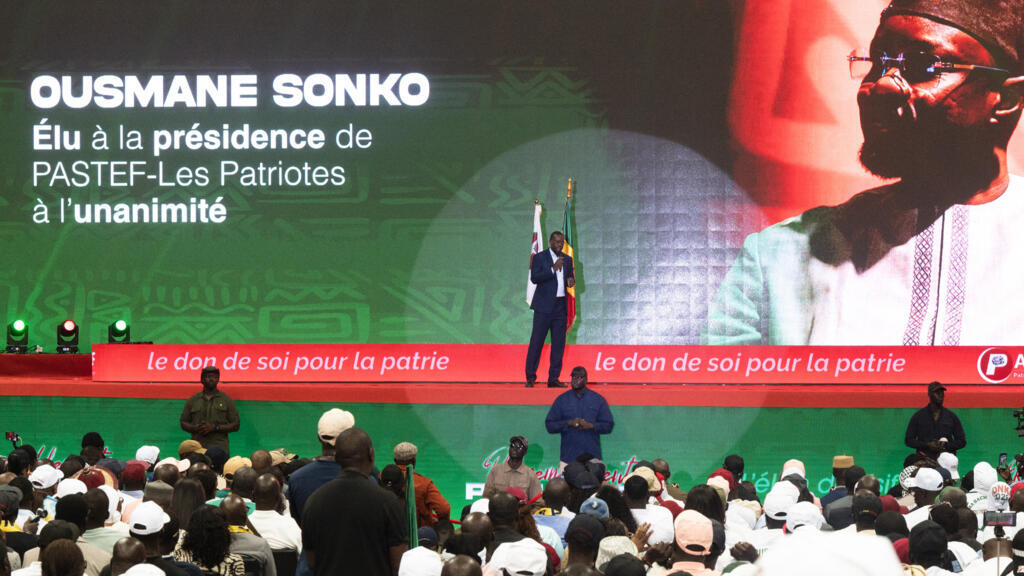
Senegal’s political landscape under scrutiny as Ousmane Sonko addresses concerns
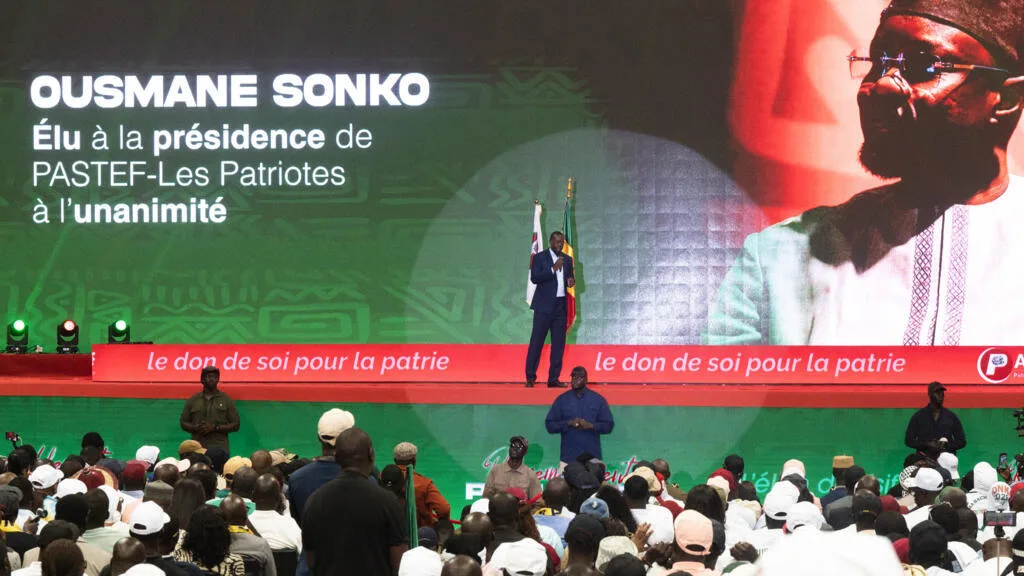
In the capital, Dakar, the political climate remains tense as key figures navigate a delicate balance of power. Ousmane Sonko, a prominent opposition leader, sought to ease concerns over potential instability in Senegal’s governance.
Speaking publicly, he emphasized that the country’s institutions remain strong, despite the shifting political dynamics. «There is no institutional crisis in Senegal. This new political configuration exists elsewhere without fanfare. The Senegalese people have chosen to entrust the executive to one leader, even if we all know the circumstances behind that choice, and the legislature to another or a different group. There may be misunderstandings between individuals or political factions, but neither the Senegalese state, its institutions, nor its security and stability are at risk today.»
While Sonko’s remarks aimed to reassure the public, analysts highlight lingering uncertainties. Political commentator Moussa Diaw suggests that while outright conflict is unlikely, tensions could persist over key issues such as debt negotiations with the IMF and unresolved judicial matters tied to political unrest.
Diaw also points to internal party disputes, including the status of dissident ministers and Bassirou Diomaye Faye, currently honorary president of the party. Sonko has firmly stated that local elections scheduled for January 2027 will proceed as planned, dismissing any speculation about delays. No official decree has been issued to confirm the date.
The coming months will be critical in determining whether the delicate equilibrium in Senegal’s political arena can hold or if further friction will emerge.