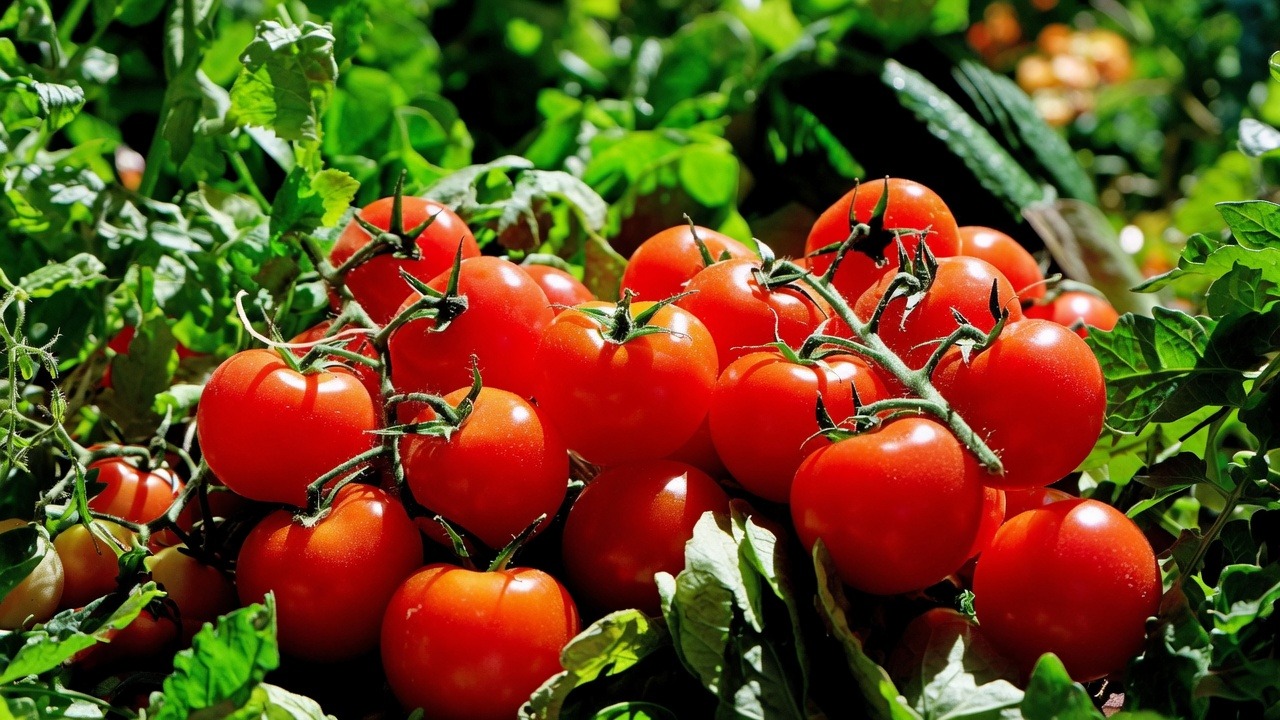
In Niamey, households are grappling with a sharp rise in the cost of essential vegetables, exposing deep-rooted structural failures in agricultural planning and government inaction. As July 2026 progresses, the price hikes for staples like tomatoes and cabbage have reached unprecedented levels, pushing many families into daily food insecurity.
The seasonal shift between local harvests and imports from neighboring countries such as Bénin, Nigeria, and Ghana is a recurring pattern. Yet, the current price surge reveals a critical flaw—not in weather conditions, but in the absence of strategic foresight and official action.
Predictable crisis, ignored solutions
The same scenario unfolds year after year. During the dry season, Niger exports its produce to the region, only to become heavily reliant on subregional harvests during the rainy season. This recurring vulnerability stems from three key shortcomings:
- Lack of storage infrastructure: Without cold storage facilities or adequate preservation methods, surplus local production from earlier months cannot be stockpiled to stabilize supply throughout the year.
- Limited local processing capacity: The absence of industrial or semi-industrial processing units prevents the creation of buffer stocks, particularly for tomatoes.
- Neglect of off-season farming: National production remains overly dependent on natural cycles instead of being bolstered by modern hydro-agricultural systems capable of year-round cultivation.
What should be a manageable logistical transition has instead escalated into a purchasing power crisis, all due to a lack of long-term vision and planning.
Government inaction fuels food insecurity
As inflation tightens its grip on low-income households, the response—or lack thereof—from authorities is glaring. Despite documented wholesale price surges—such as a basket of Nigerian tomatoes reaching 35,000 FCFA or cabbage at 25,000 FCFA—no emergency measures or official statements have been issued to:
- Curb speculative price hikes in wholesale and retail markets.
- Introduce targeted subsidies or relief mechanisms to safeguard household budgets.
- Outline a clear strategy to prevent a repeat of this crisis next year.
The silence from officials conveys a sense of resignation to cross-border market dynamics, leaving consumers to bear the brunt of rising costs alone. For Niger, dependence on imports is becoming an inescapable fate, driven by the chronic inability of its leaders to develop a reliable roadmap for the agricultural sector.
Urgent action is needed to shift away from this cycle of vulnerability.