Financial constraints undermine UN inquiry commission in eastern DRC
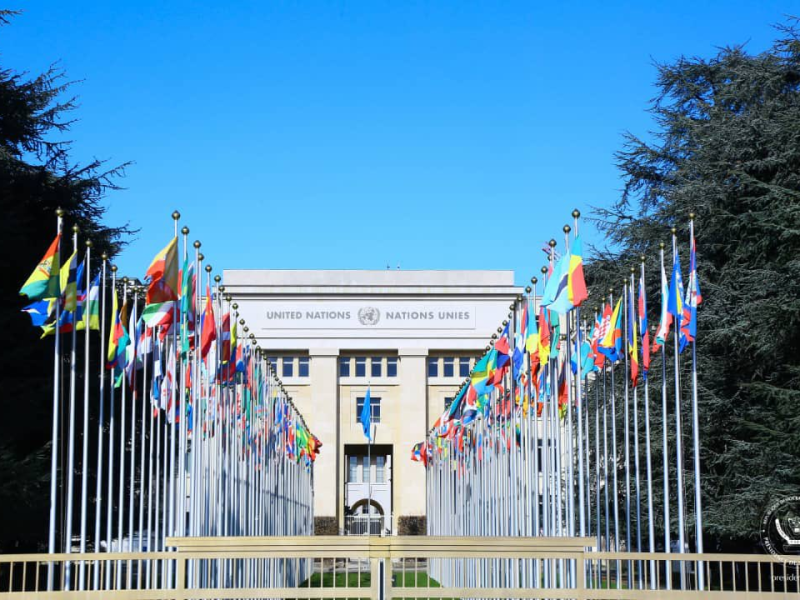
The United Nations Human Rights Council recently held its sixty-second session in Geneva, where it conducted an enhanced interactive dialogue focusing on the situation in eastern Democratic Republic of the Congo (DRC). For the first time, the Independent Commission of Inquiry on human rights violations in North-Kivu and South-Kivu presented its initial findings following its mission to Kinshasa.
Field investigations hindered by funding shortages
The Commission, despite extensive consultations in Kinshasa with victims’ support organizations, human rights defenders, civil society actors, government representatives, UN entities, diplomats, and national human rights institutions, faced significant operational challenges. Key issues included:
- Security constraints preventing access to Goma and other affected areas in the eastern DRC
- Financial shortfalls impacting the UN’s overall operational capacity
- Delayed deployment of investigative teams, interpreters, and analytical support
- Limited ground presence due to budgetary restrictions
Commission’s commitment despite financial challenges
Arnauld Akodjenou, President of the Commission, emphasized the body’s unwavering dedication to fulfilling its mandate despite these obstacles: “The broader financial constraints of the United Nations have directly impacted our operational capacity, including our deployable investigation teams, interpretation services, analytical support, and mission financing. Despite these challenges, the Commission remains fully committed to carrying out its work with independence, rigor, and diligence.”
The Commission has stressed the critical need for all parties involved in the conflict to facilitate safe, rapid, and unhindered humanitarian access, particularly for vulnerable groups including women, children, the elderly, and people with disabilities. Akodjenou highlighted the importance of protecting humanitarian workers, medical personnel, and human rights defenders from intimidation or retaliation for cooperating with UN mechanisms.
Mandate and ongoing investigations
Established on February 7, 2025 through UN Human Rights Council resolution S-37/1, the Commission’s mandate includes:
- Investigating alleged human rights violations and international humanitarian law breaches
- Examining gender-based and sexual violence cases
- Protecting displaced persons and refugees
- Identifying perpetrators for potential prosecution
- Analyzing root causes of ongoing violence cycles in North-Kivu and South-Kivu
The current escalation of hostilities, which began in January 2025, has resulted in widespread human rights abuses. The Commission continues to document violations and gather evidence, with plans to expand its presence to Goma and other affected areas as security conditions permit.
Call for international support
Akodjenou concluded with a strong appeal to the international community: “The suffering brought to our attention demands sustained attention, rigorous investigations, and resolute international commitment.” The Commission’s work remains crucial for ensuring accountability and addressing the humanitarian crisis in eastern DRC.