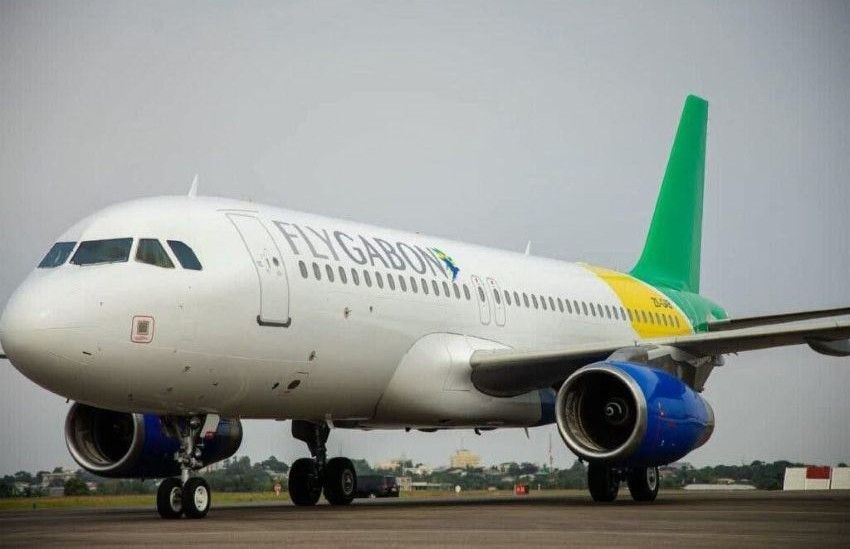
FlyGabon expands horizons with direct flights to Europe
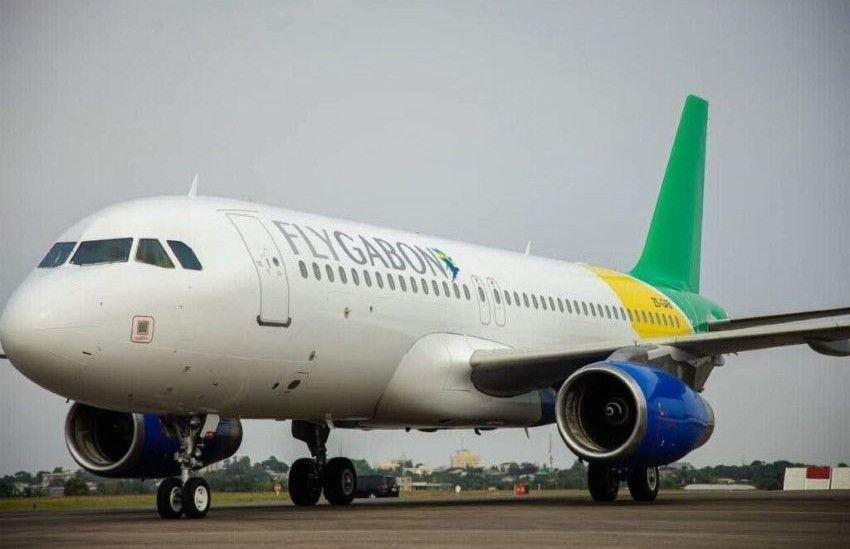
Libreville, June 19, 2026 — Once primarily a domestic and regional carrier, Gabon’s national airline is on the verge of a historic leap. With plans to launch direct flights to Paris and London, FlyGabon is not merely expanding its route network. It is embarking on a broader mission: positioning Libreville as a key hub in global mobility, trade, and investment.
The airline’s ambitions transcend passenger transport. In an era where air connectivity serves as both an economic power indicator and a tool for national sovereignty, this initiative aims to reduce Gabon’s reliance on foreign carriers while enhancing the country’s international appeal.
FlyGabon’s European ambitions
Under the majority ownership of the Gabonese government through Fly Air Gabon Holding, the airline is in the process of integrating new Boeing aircraft to support its growth trajectory. The models under consideration belong to the Boeing 737 Next Generation and Boeing 737 MAX families—industry standards for medium-haul operations.
The Boeing 737 MAX stands out as a particularly strategic choice. With a range of up to 6,500 kilometers, this aircraft can support direct routes between Libreville and major Western European capitals. The Paris route spans approximately 5,450 kilometers, while London is around 5,750 kilometers away—both well within the MAX’s operational limits.
This capability represents a paradigm shift for Gabon. Historically, most Europe-bound travel required connections through foreign hubs or regional layovers. In the near future, Libreville could emerge as a direct gateway to some of Europe’s most critical economic centers.
The commercial implications are equally significant. Gabon’s economic ties with Europe remain among its most vital, encompassing oil, manganese, processed wood, and foreign investments. Enhanced air connectivity will streamline these exchanges, fostering smoother trade flows and business interactions.
A global strategy tailored to African realities
FlyGabon’s approach mirrors global aviation trends while addressing the unique challenges faced by African carriers. The airline is prioritizing operational leasing—renting aircraft rather than purchasing them outright.
This model has become ubiquitous in the industry, with nearly two-thirds of global airlines employing some form of leasing for their fleets. The benefits are substantial: reduced upfront capital expenditure, preserved cash flow, and operational flexibility. For African airlines, leasing is particularly advantageous given the lengthy delivery timelines from manufacturers like Boeing and Airbus, which can exceed four to five years. Renting allows carriers to respond swiftly to market demands without being constrained by prolonged industrial cycles.
This strategy underscores a commitment to sustainable growth. By avoiding heavy initial investments in aircraft purchases, FlyGabon is positioning itself for a measured yet resilient expansion, aligning with profitability and long-term viability.
Libreville aims to become a regional gateway
Beyond technical considerations, the initiative reflects a broader national vision. The Gabonese government is determined to transform Libreville into a strategic nexus between Central Africa and Europe.
This ambition is part of a wider modernization drive encompassing ports, logistics, air transport, and economic corridors. Together, these components form an integrated ecosystem designed to bolster economic diversification.
In this framework, FlyGabon plays a pivotal role. A robust national airline is more than a symbol of sovereignty—it is a competitive instrument that can attract investments, boost tourism, facilitate business travel, and accelerate regional integration.
The challenges are undeniable. European routes are among the most competitive globally, demanding uncompromising standards in safety, punctuality, service quality, and profitability. Yet the chosen path reveals a clear intent: shifting from a purely domestic service model to that of a continental player capable of sustainably connecting Gabon to the world’s major economic hubs.
The announcement of these new routes to Paris and London signifies more than a commercial milestone. It signals the emergence of a national connectivity strategy where aviation becomes a catalyst for economic development, international influence, and sovereignty. For FlyGabon, the true ascent may now be unfolding across the Atlantic.