The President of Gabon has openly acknowledged the shortcomings of the current model, declaring that the Société d’Énergie et d’Eau du Gabon (SEEG) must undergo sweeping reforms to resolve the country’s long-standing water and electricity shortages. Speaking before a joint session of Parliament, he emphasized that separating water and electricity management could lead to more efficient and responsible operations.
Why Gabon’s water and electricity sectors are failing
The head of state pointed to chronic mismanagement within the SEEG as the root cause of the problem. «Frequent power outages and water shortages stem from a failure to pay subcontractors on time,» he stated, adding that user non-compliance further exacerbates the crisis. Practices such as unpaid bills, meter tampering, cable theft, and direct unauthorized connections have crippled the system.
The cost of a neglected infrastructure
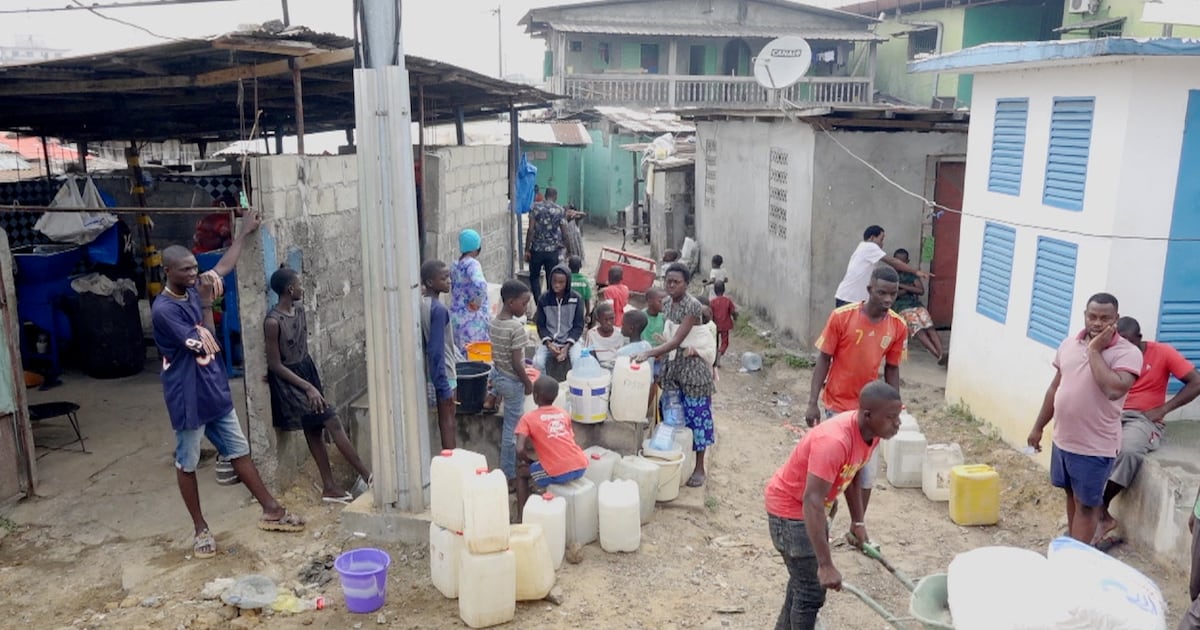
Officials warn that two decades of minimal investment have left the nation struggling to meet surging energy demands. Consumption has nearly doubled since 2010, yet no major upgrades have been made. As a result, Libreville and other regions endure rotating blackouts, while some areas face water shortages lasting months.
Public reaction: hope meets skepticism
Gabonese citizens hold mixed views on the proposed reforms. Mariam Yama, a resident of Libreville, supports the separation of water and electricity services, believing it could improve efficiency. Others, like Nicole Esso, urge patience, arguing that systemic neglect cannot be fixed overnight. Meanwhile, Patrick Ruffin, a retired military officer, insists on stricter financial oversight of the SEEG.
Cédric Pango, a local business executive, highlights a critical imbalance: «The SEEG’s electricity division generates far more revenue than water, leaving the latter underfunded and neglected.» He questions whether splitting the sectors will truly resolve the crisis, given water services’ financial instability.
Government response and future outlook
In early 2025, Gabon took steps to ease the crisis by partnering with a Turkish firm to deploy two floating power plants, supplying 150 megawatts to Greater Libreville. Additionally, an electricity interconnection deal with Equatorial Guinea was finalized to bolster regional stability.
The challenge now lies in turning these plans into tangible results. As the population waits, the question remains: Will the reforms deliver reliable services, or will they add to the chronic failures plaguing Gabon’s public utilities?