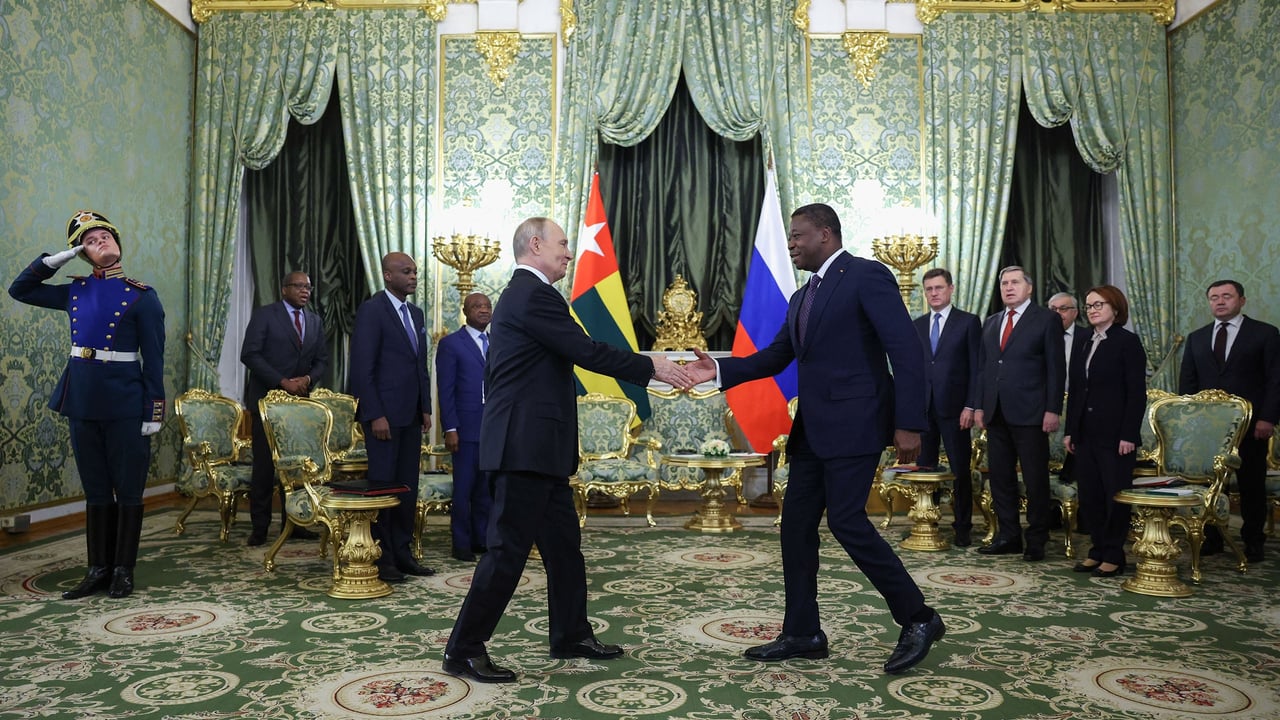
Lomé’s discreet shift toward Moscow and Ankara amid Sahel unrest
In the shadow of Burkina Faso and Niger’s mounting security crises, Togo has quietly recalibrated its defense strategy. Behind closed doors, Lomé has forged clandestine partnerships with both Russia’s Africa Corps and Turkey, seeking fresh avenues to counter the jihadist threat sweeping across the Sahel.
Since 2025, the Togolese government has intensified negotiations with Moscow, culminating in an unprecedented collaboration that extends beyond traditional military cooperation. Meanwhile, Turkish drones and logistical support have quietly entered the equation, reshaping the regional security landscape without fanfare.
Africa Corps steps into the Sahel equation
Reports from intelligence circles indicate that Africa Corps operatives have conducted at least three unpublicized deployments in Togo over the past year. These missions, described as “training and advisory,” align with a broader Kremlin strategy to expand influence across West Africa. While Lomé has not formally acknowledged these visits, local military sources confirm the presence of Russian personnel at strategic bases near the northern border.
The Africa Corps’ involvement follows a pattern seen in Mali and Burkina Faso, where Moscow has positioned itself as a counterterrorism partner. In Togo, however, the collaboration remains under the radar—avoiding the diplomatic backlash that has accompanied similar pacts elsewhere in the region.
Turkey’s rising role in Togo’s defense posture
Parallel to its Moscow ties, Togo has deepened its defense ties with Ankara, particularly in aerial surveillance. Turkish-made drones now patrol the skies over the Savanes region, providing real-time intelligence on jihadist movements. This partnership, cemented during President Faure Gnassingbé’s 2024 state visit to Turkey, includes provisions for joint military exercises and rapid-response equipment.
Analysts suggest Lomé is leveraging Turkey’s neutrality in regional disputes to diversify its security alliances. Unlike Western partners, Ankara imposes no political conditions on military aid, making it an attractive alternative for governments wary of conditional cooperation.
Faure Gnassingbé’s balancing act
The President’s covert outreach reflects a delicate geopolitical tightrope. While maintaining ties with France and the European Union, Gnassingbé has cautiously embraced new actors to mitigate vulnerabilities exposed by the Sahel’s destabilization. This approach mirrors strategies adopted by regional peers, though Togo’s engagements remain uniquely discreet.
Critics argue that such alliances could invite scrutiny from international partners, particularly given Africa Corps’ controversial reputation. Yet the government insists these collaborations are purely defensive, aimed at preempting jihadist infiltration into Togo’s northern provinces.
What’s next for Togo’s security alliances?
The coming months will reveal whether Lomé can sustain its dual-track strategy without triggering regional tensions. With Burkina Faso and Niger increasingly aligned with Russia, Togo’s partnerships with both Moscow and Ankara position it as a potential mediator in the Sahel’s evolving power dynamics.
One thing is certain: Togo’s silent pivot is reshaping West Africa’s security calculus—and drawing attention from capitals across the continent.