
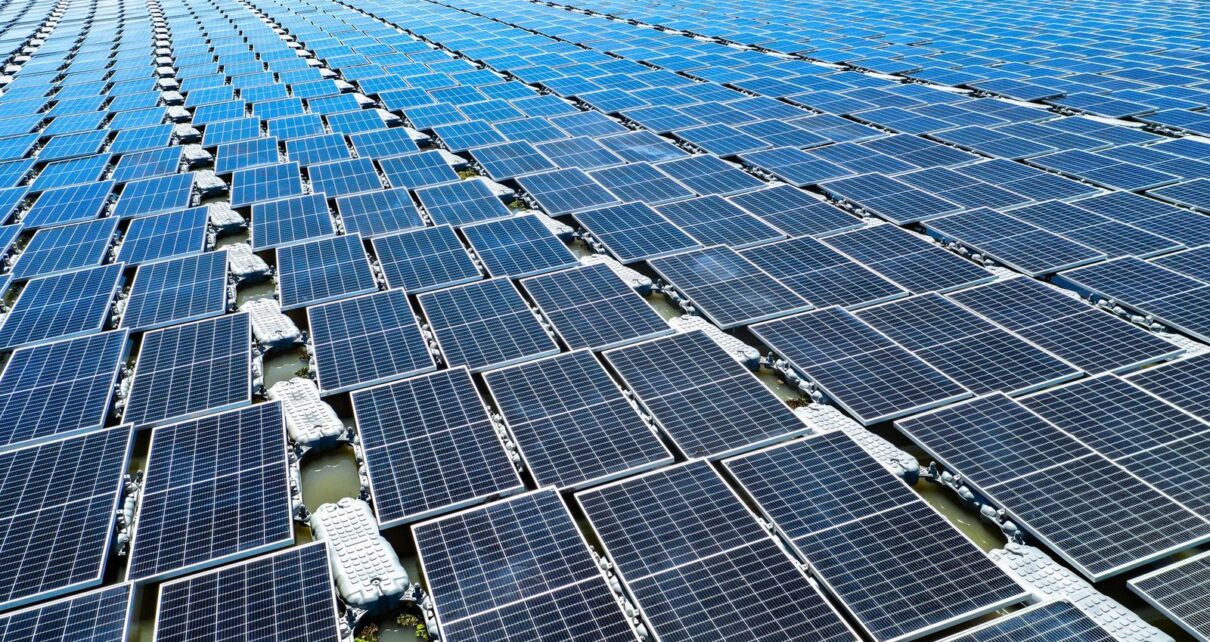
Gabon’s partnership with Karpowership, a subsidiary of Turkish conglomerate Karadeniz Holding specialising in floating power plants, has sparked intense debate over budget efficiency and industrial strategy. Official records show Libreville pays roughly 1.8 billion Central African francs monthly for a theoretical capacity of 150 megawatts, yet actual delivered power hovers between 80 and 90 megawatts. This discrepancy raises concerns as the transitional government seeks to streamline public spending long criticised for its opacity.
From temporary fix to lasting burden
The agreement was originally framed as a short-term measure. Chronic electricity shortages, compounded by ageing thermal infrastructure and erratic hydropower during dry seasons, pushed authorities toward powerships. These offshore power stations, docked near Owendo, can inject dozens of megawatts into the national grid within weeks. While proven in countries like Ghana, Sierra Leone, and Senegal, the solution comes at a premium compared to conventional land-based plants.
What began as an emergency measure has become entrenched. Local generation projects, including new dams and gas-fired plants, have not yet reached sufficient scale to replace the Turkish supplier. As a result, the Société d’énergie et d’eau du Gabon (SEEG) remains reliant on external capacity, especially during peak demand. Over a year, the cumulative bill exceeds 21 billion Central African francs—an unsustainable burden for a nation under fiscal scrutiny.
Economic tensions rise over uneven power delivery
The core dispute centres on the gap between contracted and delivered capacity. Paying for 150 megawatts while receiving only a fraction inflates the real cost per unit. Engineers and officials argue the contract’s pricing formula shields the operator from market fluctuations and technical risks. Since taking office in August 2023, the transitional leadership has launched a comprehensive audit of major public contracts inherited from the previous administration.
Karpowership is no stranger to Africa, operating dozens of powerships across more than a dozen countries, with a strong presence in Sub-Saharan Africa. Its strength lies in rapid deployment—units range from 30 to 470 megawatts—but its reliance on individual states creates dependency. Once connected, disengaging without immediate alternatives risks plunging the grid back into blackouts.
Renewing, renegotiating or terminating?
The dilemma is both financial and operational. Terminating the contract without securing equivalent replacements would expose SEEG to supply shocks. Key projects like the Kinguélé Aval dam, developed with Meridiam, and future gas plants are still years away from full operation. Immediate options remain limited.
Three potential courses of action are under consideration. The first involves renegotiating financial terms to tie payments strictly to actual delivered power. The second favours a phased exit, synchronised with the commissioning of new infrastructure. A more drastic third option would entail an abrupt termination, potentially triggering international disputes. Any choice will shape Gabon’s energy policy credibility and reflect its commitment to industrial sovereignty.
Decisions are expected in the coming weeks as the country finalises its energy roadmap.