The ascension of Captain Ibrahim Traoré to power in Burkina Faso has ushered in a period of profound transformation, marked by an intensified centralization of governance. While official discourse champions sovereignty and strategic reorganization, the ground reality reveals a starkly different picture. Beneath the rhetoric of change, the Burkinabè people—particularly the commercial sector—are grappling with silent distress, ensnared in a tightening spiral of restrictions where dialogue has been replaced by unilateral decrees.
The commercial heartbeat of Burkina Faso under siege
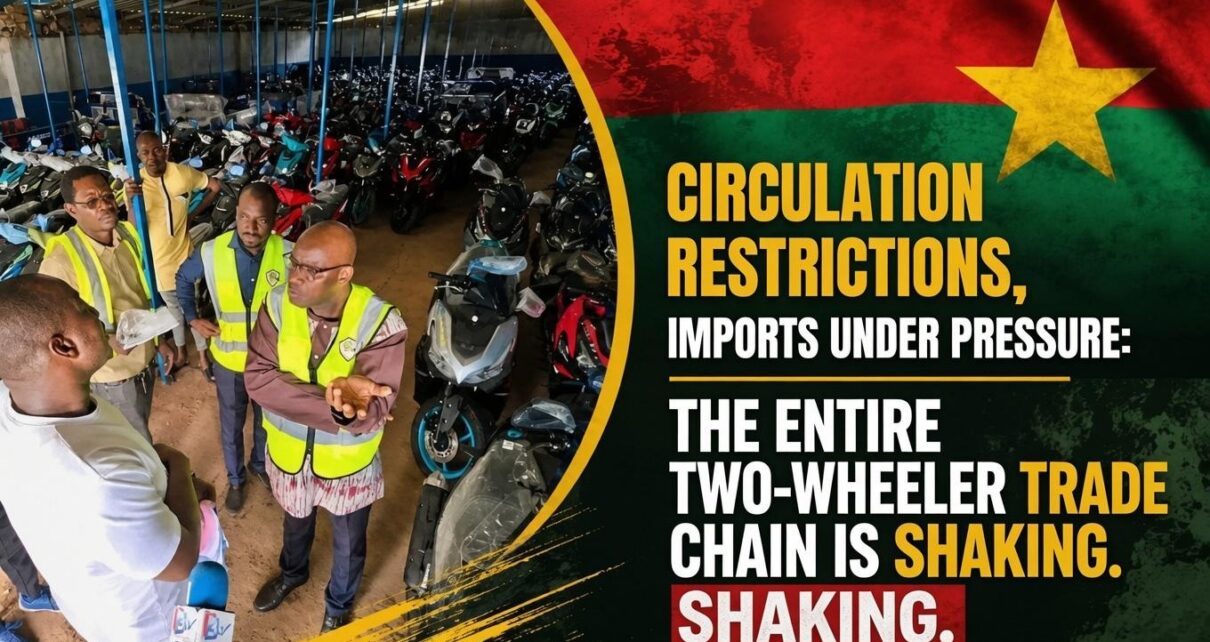
In Burkina Faso, motorcycles are far more than a mode of transport; they are the lifeblood of urban and rural mobility, and the primary livelihood for thousands of households. The latest measures imposed by the authorities—drastically regulating the sale, pricing, and usage of two-wheelers—have dealt a severe blow to an already beleaguered sector.
In the bustling markets of Ouagadougou and Bobo-Dioulasso, frustration simmers beneath the surface. Traders describe a complete breakdown in social dialogue:
« Previously, negotiation frameworks existed. Now, orders come from above and must be carried out without question. Dissent is met with accusations of being unpatriotic, » shared a prominent importer who requested anonymity.
A climate of unchecked authority
Since Captain Traoré’s leadership began, economic actors have described a landscape where a single will dictates the nation’s direction. This excessive centralization breeds chronic unpredictability in business operations. Entrepreneurs find themselves trapped between soaring import costs and global market realities on one side, and rigid state-imposed price ceilings that fall below profitability thresholds on the other.
The consequences of this authoritarian approach are immediate and far-reaching:
- Financial suffocation: Small-scale vendors, unable to meet the imposed margins, face the threat of bankruptcy.
- Artificial shortages: With price freezes in place, some importers have halted orders, risking a supply chain collapse.
- Legal uncertainty: New circulation restrictions, justified on security grounds, have paralyzed goods transport in several regions.
The silent agony of a struggling economy
The plight of the Burkinabè people—especially the merchant class—is now experienced in hushed tones. Within the confines of a strict military transition, the fear of retaliation silences public grievances. Yet, economic reality remains unyielding: prosperity cannot be decreed into existence.
By attempting to control every link in the supply chain—from logistics to daily consumer use—the transitional government risks shattering the delicate economic balance that has thus far kept the country afloat. For motorcycle traders, the verdict is clear: the vaunted economic sovereignty is rapidly morphing into suffocating dirigisme.