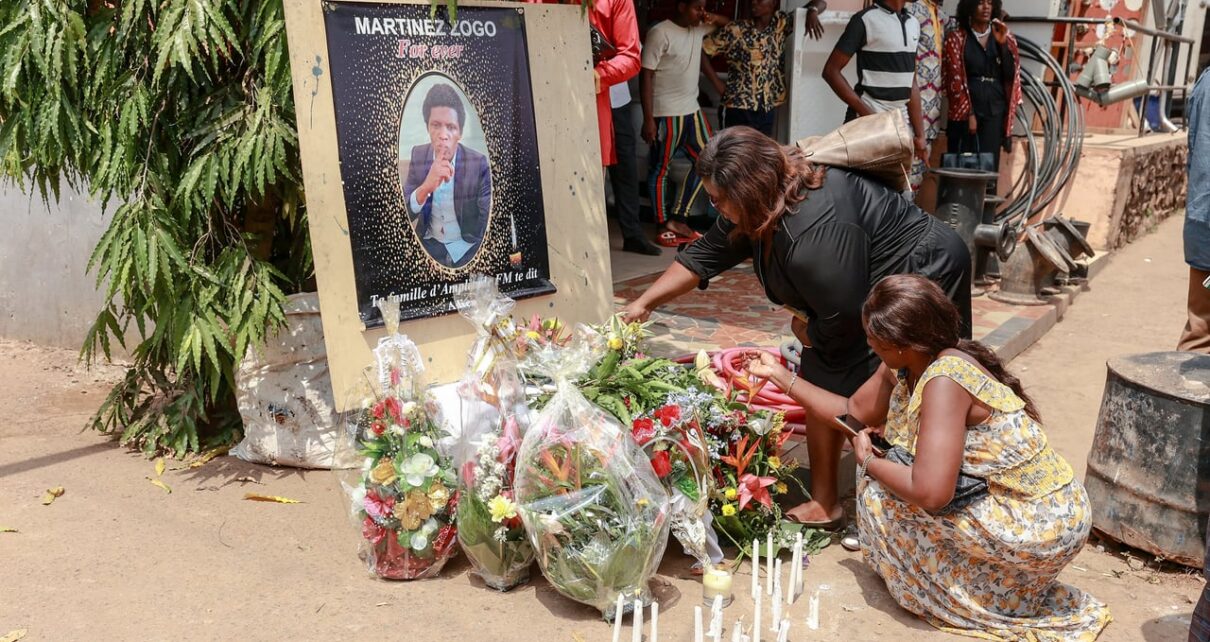

The tragic disappearance of Martinez Zogo, a prominent Cameroonian journalist, continues to reverberate through the nation’s judicial and media circles. Recent courtroom proceedings have brought forward pivotal testimony that sheds new light on the circumstances surrounding his case. Among the most compelling statements came from Colonel Otoulou, whose revelations have intensified scrutiny over the investigation’s progress.
Key revelations from Colonel Otoulou’s testimony
Colonel Otoulou provided a detailed account of the investigative steps taken following Zogo’s abduction. His statements highlighted the challenges faced by law enforcement in tracking the culprits, as well as the procedural hurdles that have delayed justice. The colonel emphasized the commitment of security forces to unravel the truth, while acknowledging systemic obstacles in the investigation.
The testimony underscored several critical points:
- Timeline discrepancies: Otoulou revealed inconsistencies in witness accounts, particularly regarding the hours immediately after the journalist’s disappearance.
- Forensic challenges: The colonel detailed difficulties in securing key evidence due to delays in processing crime scenes and obtaining necessary warrants.
- Collaboration gaps: He noted that inter-agency coordination had improved but remained a work in progress, impacting the pace of the inquiry.
Public reaction and judicial implications
The colonel’s statements have sparked public debate about the transparency of the investigation. Family members of Martinez Zogo have demanded swifter action, while legal experts question whether the current approach will yield tangible results. The case has become a symbol of broader concerns over press freedom in Cameroon, with calls for an independent inquiry gaining momentum.
Judicial observers point out that Otoulou’s testimony could serve as a turning point. His assertions about procedural delays have prompted prosecutors to reassess their strategies, potentially accelerating the process. However, skepticism lingers among advocacy groups, who argue that past promises of swift justice have yet to materialize.
What’s next for the investigation?
With Colonel Otoulou’s account now part of the official record, pressure is mounting on authorities to deliver concrete updates. The next phase of the investigation is expected to focus on:
- Re-evaluating witness testimonies: Authorities are reportedly re-examining earlier statements to identify inconsistencies.
- Enhancing forensic efforts: New technological tools may be deployed to re-examine existing evidence.
- Strengthening inter-agency collaboration: Enhanced coordination between law enforcement and judicial bodies is being prioritized.
The case remains a focal point for both domestic and international observers, with many awaiting tangible progress in the coming weeks. For now, the nation watches closely as the investigation unfolds, hoping that justice will prevail for Martinez Zogo and his family.