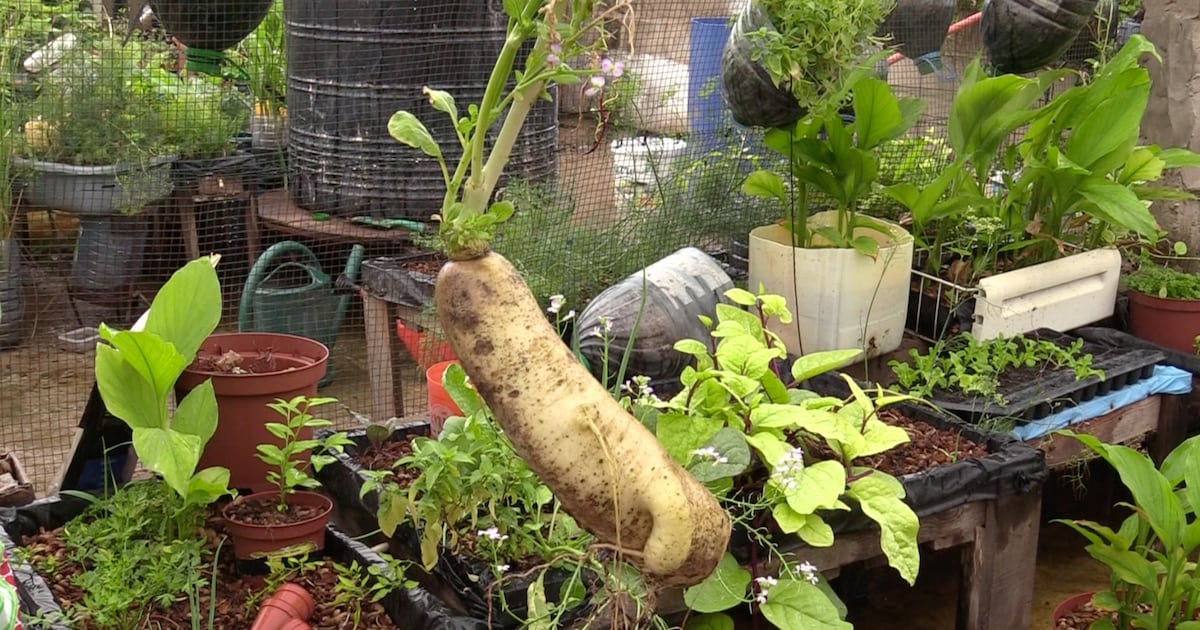
A growing number of residents in Bamako are turning to organic markets that prioritize short supply chains and ethical trade. At the forefront of this movement is the Réseau solidaire en agroécologie paysanne et citoyenne (Resapac), a grassroots initiative that has been connecting Malian producers and consumers for over a decade.
Building a sustainable food model from the ground up
The Resapac network unites three key players in the organic food chain: farmers, processors, and consumers. By eliminating middlemen, the cooperative ensures fair pricing for producers while delivering fresh, traceable products to city dwellers. Its governance model is built on transparency and collective decision-making, fostering trust between all stakeholders.
Farmers thrive with organic agriculture
Abdoulaye Sacko, a vegetable grower from Bamako, joined Resapac after years of struggling with high input costs. Today, he cultivates his crops using only organic fertilizers, avoiding synthetic chemicals entirely. His earnings have improved significantly since connecting directly with consumers through the network.
«I no longer rely on expensive synthetic inputs,» he explains. «My partnership with Resapac has stabilized my income while allowing me to meet the rising demand for safe, healthy food in Bamako.»
Expanding market reach through local distribution
Djènèba Diallo, coordinator of Resapac’s organic markets in Bamako, highlights the network’s growth from a single stall in Sotuba to four thriving locations across the capital: Sotuba, Badalabougou, Magnambougou, and Hippodrome. Each market serves as a bridge between rural producers and urban consumers, ensuring fresh deliveries within hours of harvest.
«Consumers who shop with us know exactly where their food comes from,» Diallo notes. «They can see the difference in quality—organic produce lasts longer and tastes better than conventionally grown alternatives.»
Paving the way for ethical consumption
The Resapac model reflects a broader shift in Mali’s food culture, where more citizens are choosing sustainable agriculture over industrial farming. By shortening supply chains and eliminating exploitative intermediaries, the network empowers both producers and consumers to build a fairer, greener food system.