The era of the SEEG has officially closed in Gabon. The government has formally dissolved the Société d’énergie et d’eau du Gabon, a historic public utility operator that managed water and electricity services for over forty years. In its place, two new, specialized entities will take over, each dedicated to a distinct sector. The decision, finalized during a recent council of ministers meeting in Libreville, brings an end to months of uncertainty regarding the future of an operator plagued by technical and financial deficits.
End of an era for Gabon’s public utilities
The SEEG, once managed by the French group Veolia until its departure in 2018, was later taken over by the Gabonese state. Despite this, the company never regained stability, frequently facing water shortages and electricity blackouts across major urban centers. Libreville, Port-Gentil, and Franceville have repeatedly experienced prolonged power outages, sparking frustration among residents and businesses alike. The transitional authorities, following the change in leadership in August 2023, identified utility sector reform as a cornerstone of the national development plan.
The government’s assessment of the SEEG’s performance was stark. Aging infrastructure, chronic underinvestment, opaque governance, and the conflation of production, transmission, and distribution roles were cited as critical failures. By separating these functions, authorities aim to clarify accountability and attract specialized investors capable of injecting capital into each segment.
Two focused entities to revitalize services
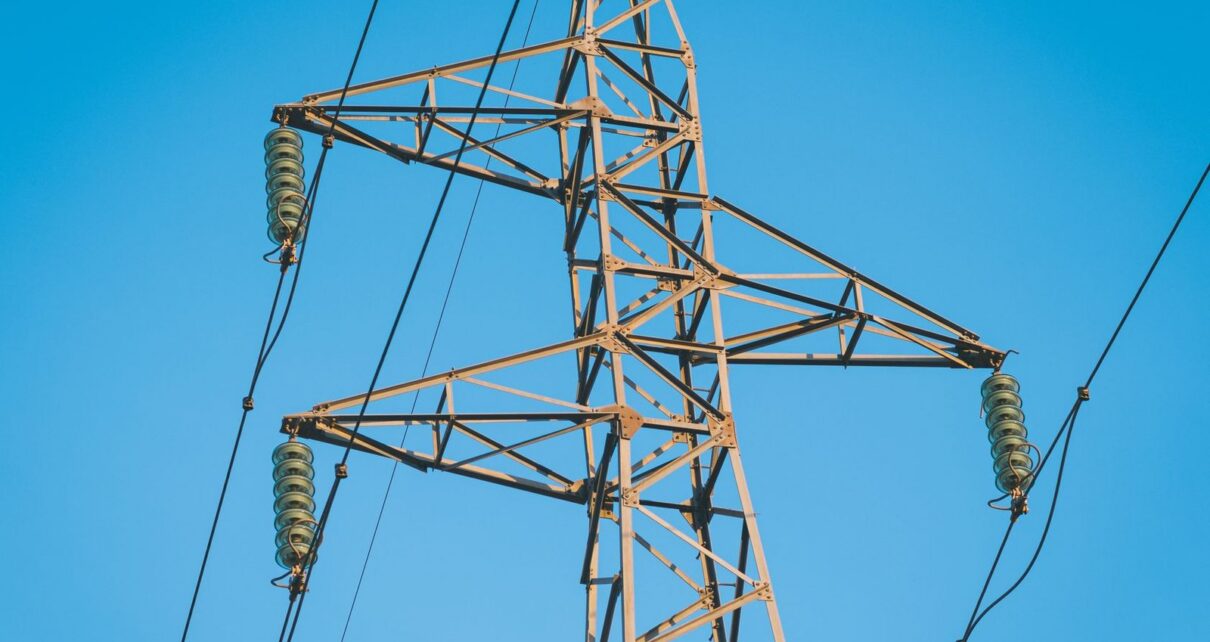
The restructuring plan establishes one company dedicated solely to electricity and another to potable water. This model, already implemented in neighboring countries, allows each sector to develop its own economic framework. Electricity distribution relies on large-scale generation, high-voltage networks, and energy diversification strategies. Water services, on the other hand, follow a territorial and public health-driven approach, addressing challenges like water sourcing, treatment, and rural distribution.
The new institutional structure is expected to ease the entry of targeted technical and financial partners. International lenders, including the African Development Bank and the World Bank, have long demanded clearer organizational structures before committing to long-term funding. The International Finance Corporation had previously signaled interest in sector-specific projects, contingent upon a legal overhaul.
A complex transition for Gabon’s leaders
Implementing the reform presents significant challenges. The status of approximately 2,000 SEEG employees remains a sensitive issue, as do the assumption of accumulated liabilities and the uninterrupted billing of consumers. Authorities must also define the exact scope of concessions, pricing mechanisms, and the role of the future regulatory authority. Labor unions have already raised concerns, demanding assurances on job security and the preservation of social benefits.
Strategically, the reform aligns with President Brice Clotaire Oligui Nguema’s push for greater economic sovereignty. Gabon seeks to regain control over its strategic assets while ensuring reliable access to essential services. The country boasts substantial hydroelectric potential, particularly from the Grand Poubara and Kinguélé Aval dams, which remain underutilized relative to national demand. The challenge now is converting this natural advantage into operational efficiency for households and industries.
The timeline for establishing the two entities has not been detailed, but the government anticipates a phased rollout over the coming months. The reform’s success hinges on strong governance and the ability to mobilize the necessary investment for catch-up improvements.