Gabon strengthens global ties with five new ambassadors
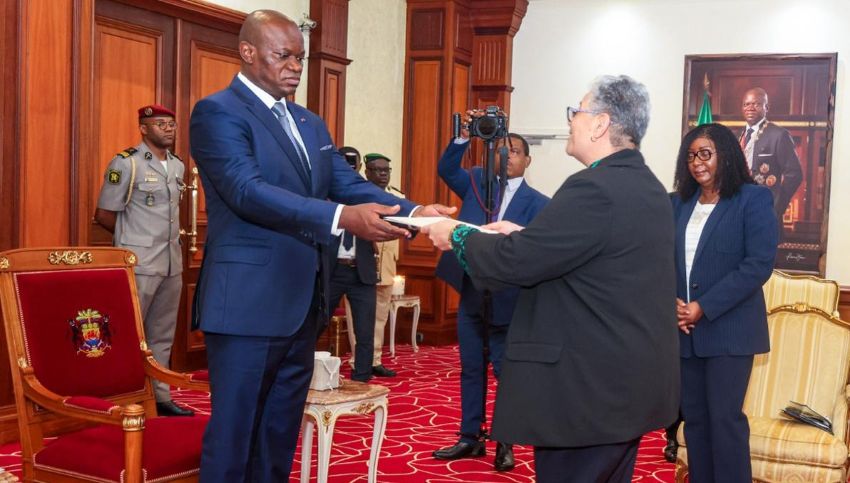
Libreville, June 25, 2026 — The presentation of diplomatic credentials is more than a formal ritual; it signals a nation’s evolving role on the world stage.
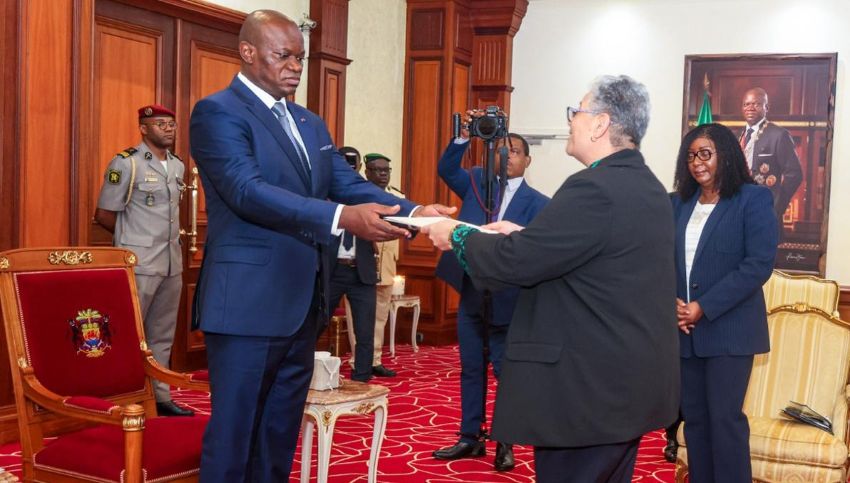
In a single ceremony, President Brice Clotaire Oligui Nguema welcomed five new ambassadors accredited to Gabon, marking a turning point in the country’s diplomatic resurgence. This moment underscores a broader shift: Libreville is reclaiming its position as a key player in African geopolitics, economic partnerships, and strategic alliances.
In an era where nations compete fiercely for resources, investments, and influence, the simultaneous arrival of representatives from the Holy See, Chad, Australia, Iran, and Djibouti reflects a growing recognition of Gabon’s renewed political stability and economic potential since the 2023 transition.
Diverse envoys, aligned visions
Each ambassador embodies a distinct facet of Gabon’s expanding diplomatic footprint.
Archbishop Relwende Kisito Ouédraogo, Apostolic Nuncio to Gabon from Brazzaville, represents the Vatican’s enduring commitment to Gabon through education, social peace, and humanitarian collaboration.
Ambassador Fadoul Kittir Zakaria of Chad, stationed in Malabo, reinforces the strong bonds between Central African nations facing shared challenges in security and regional integration.
The accreditation of Leilani Bin-Juda, Australia’s High Commissioner based in Abuja, carries significant economic weight. It coincides with Fortescue Metals Group’s pivotal role in developing the Belinga iron ore project and its associated logistics corridor—a transformative initiative poised to redefine Gabon’s mining and industrial landscape, generate jobs, and spur local value addition.
Seyed Gholamreza Mirmohammad Meigoni, Iran’s ambassador to Gabon, opens doors to expanded cooperation in industry, technology, healthcare, and education, reflecting Libreville’s push to diversify beyond traditional partners.
Mohamed Bourhan Ali of Djibouti brings strategic maritime and port expertise, offering Gabon a model to enhance its own logistical and trade infrastructure.
Diplomacy as an engine for growth
These credentials signify more than protocol—they signal a deliberate pivot in Gabon’s foreign policy. While African diplomacy was once viewed as largely ceremonial, the current administration is leveraging international relations to fuel economic progress.
Key initiatives such as the Belinga corridor, infrastructure upgrades, industrial ambitions, and local resource processing are reshaping Gabon’s global image. The country’s ability to attract partners as diverse as Australia, Iran, and Djibouti highlights a rare diplomatic agility in a continent where capital flows are fiercely contested.
A test of credibility and commitment
Yet diplomatic momentum is fragile. The confidence placed in Gabon hinges on tangible outcomes: operational infrastructure, job creation, and real benefits for citizens. Investors and partners are watching closely—partnerships must translate into visible progress.
By welcoming ambassadors from five distinct regions, Gabon sends a powerful message: it is no longer content being merely a supplier of raw materials. It seeks to become a regional hub for investment, industrialization, and international cooperation—a vision now echoing across diplomatic corridors worldwide.
The challenge ahead is clear: transform diplomatic engagement into sustainable economic prosperity. True diplomatic strength lies not in the number of foreign missions, but in converting global partnerships into national progress.

Related Articles