N’Djamena hosts national workshop to strengthen sustainable groundwater governance
A three-day national workshop in Chad’s capital brings together key stakeholders to draft a unified action plan addressing groundwater management challenges and securing long-term water supply.
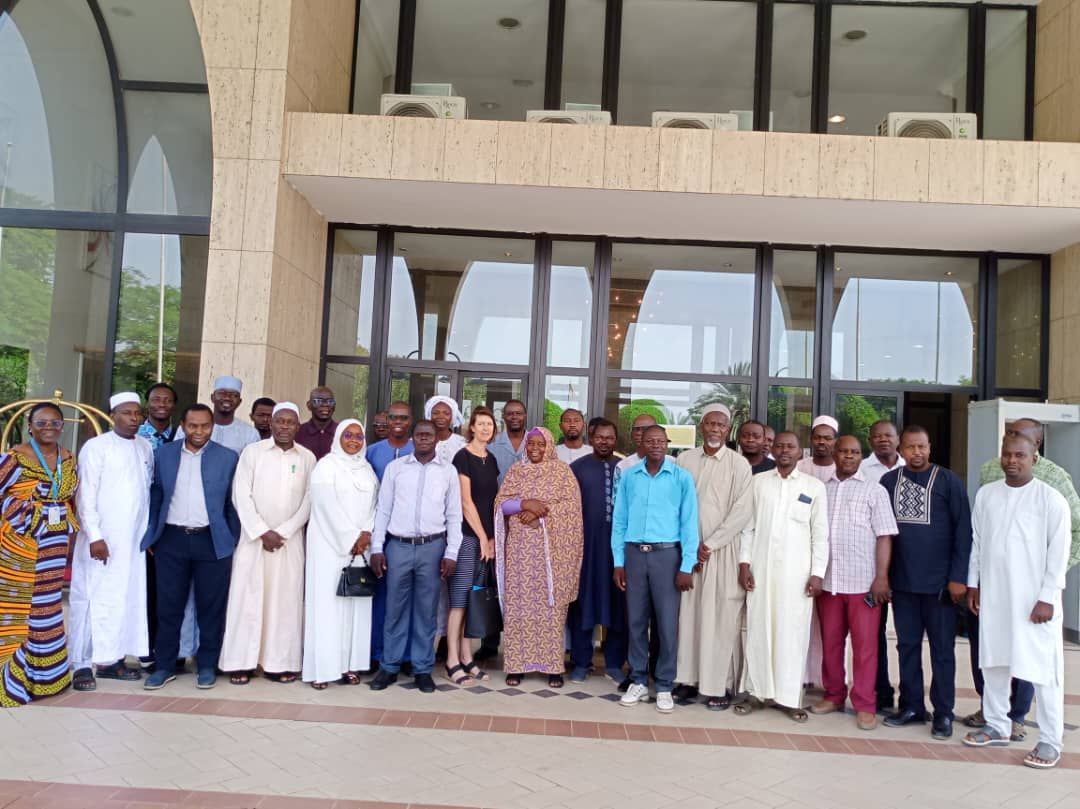
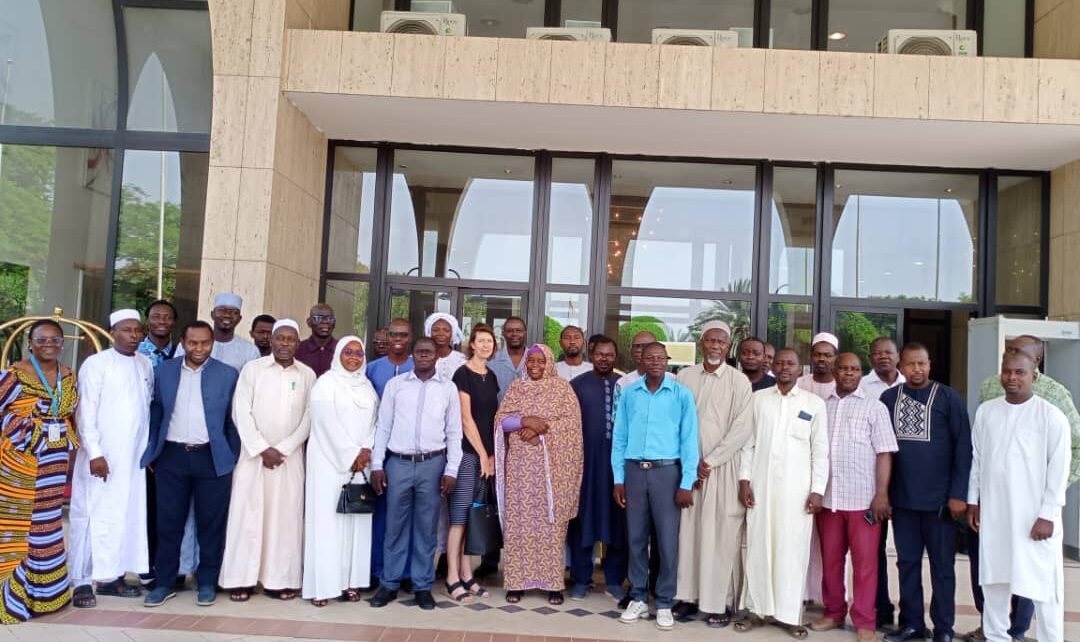
N’Djamena recently hosted a landmark three-day workshop focused on strengthening groundwater governance in Chad. The event, which convened nearly 50 participants from public institutions, technical and financial partners, civil society and user groups, marks a pivotal step toward creating a consensus-driven action plan for sustainable groundwater management.
Groundwater represents a lifeline for Chad’s water security, sustaining drinking water supplies, agricultural irrigation, pastoral systems and urban development—particularly in regions grappling with climate pressures and dwindling surface water resources. This workshop was designed to unite diverse stakeholders in developing a shared strategy that addresses both the quantity and quality risks threatening this vital resource.
At the opening session, UNICEF representative Natascha Paddison emphasized the human dimension behind technical groundwater decisions. “Every policy choice affecting groundwater access directly shapes the health, education, dignity and future prospects of children and communities,” she stated. She called on participants to leverage this platform to exchange insights, assess priority risks and co-create practical solutions that transform groundwater into a source of resilience rather than conflict.
Paddison reaffirmed UNICEF’s commitment to supporting Chad’s government and partners throughout this initiative, acknowledging the United Kingdom’s Foreign, Commonwealth and Development Office for its financial support in organizing the workshop.
Fatimé Hassan, Director-General of Chad’s Water Resources, outlined the workshop’s core objective: developing a coordinated action plan to enhance groundwater governance. “This gathering provides a critical opportunity to harmonize our understanding of Chad’s groundwater landscape, pinpoint governance challenges and define concrete steps for implementation,” she explained. Outcomes will be documented in a comprehensive report and a technical guidance note incorporating findings from the 2026 national groundwater risk assessment.
The workshop brought together a broad coalition of stakeholders, including national water authorities, sectoral ministries, regional organizations, technical and financial partners, UN agencies, NGOs, private sector actors, user groups and academic experts. Collaborative discussions are expected to yield actionable recommendations for a more efficient, inclusive and sustainable approach to groundwater management across Chad.