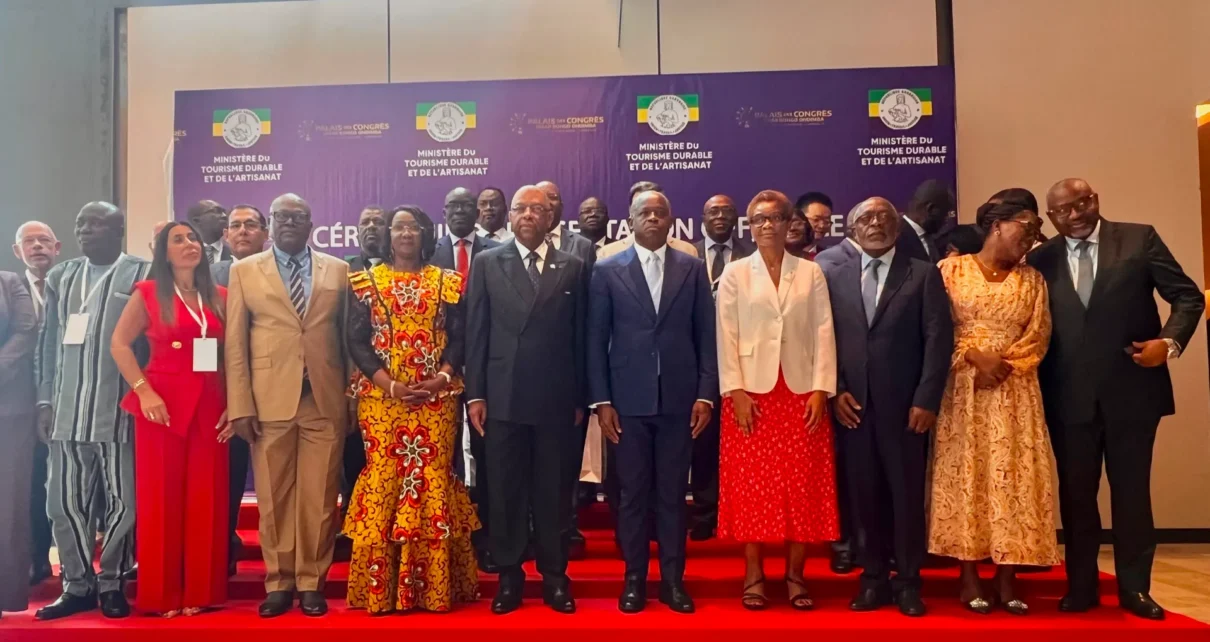
Gabon’s bold ecotourism push meets ground realities
DIG / On June 29, 2026, in Libreville, the government unveiled its National Strategy for Sustainable Tourism and Artisan Valorization, aiming to diversify the economy ahead of the post-oil era and position Gabon as a global ecotourism leader.
Gabon boasts an unparalleled natural canvas for ecotourism. With 88% of its land covered by equatorial rainforest, 800 kilometers of pristine coastline, and 13 national parks, the country’s raw appeal is undeniable. From the wild landscapes of Loango to the majestic Ivindo region, the potential to attract international travelers seeking untouched nature is vast.
Moreover, Gabon’s early commitment to environmental stewardship—highlighted by its blue and green obligations—enhances its credibility in securing international funding for sustainable projects.
Real-world hurdles: infrastructure and beyond
Converting this natural wealth into a thriving, structured industry demands overcoming critical challenges.
The first barrier is infrastructure. Reaching key destinations like Lambaréné, Mayumba, and Lopé often feels like an expedition due to the poor condition of interior roads.
The second is affordability. High international airfare, expensive internal logistics, and the absence of budget domestic flights make Gabon a luxury-only destination, limiting its appeal to a narrow, high-end market.
The third challenge is human capital. Premium tourism requires international standards in hospitality, lodging, and artisan craftsmanship, necessitating long-term professional training—a process that cannot be rushed.
From vision to execution: the moment of truth
Gabon’s natural assets align perfectly with its ambitions, but the nation must urgently build the logistical and human foundations to make them viable.
For this strategy to avoid becoming another unfulfilled plan, the government must prioritize action over rhetoric.
Success hinges on attracting public-private partnerships to fund roads, accommodations, and local expertise development.
If execution matches vision, ecotourism could indeed become the economic engine Gabon needs for its post-oil future.