can Mali and Algeria mend their strained diplomatic ties
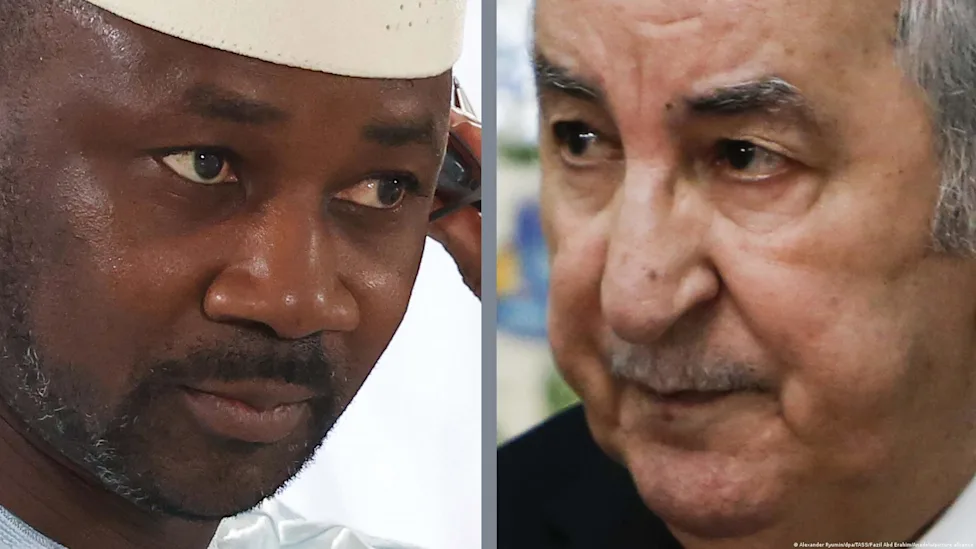
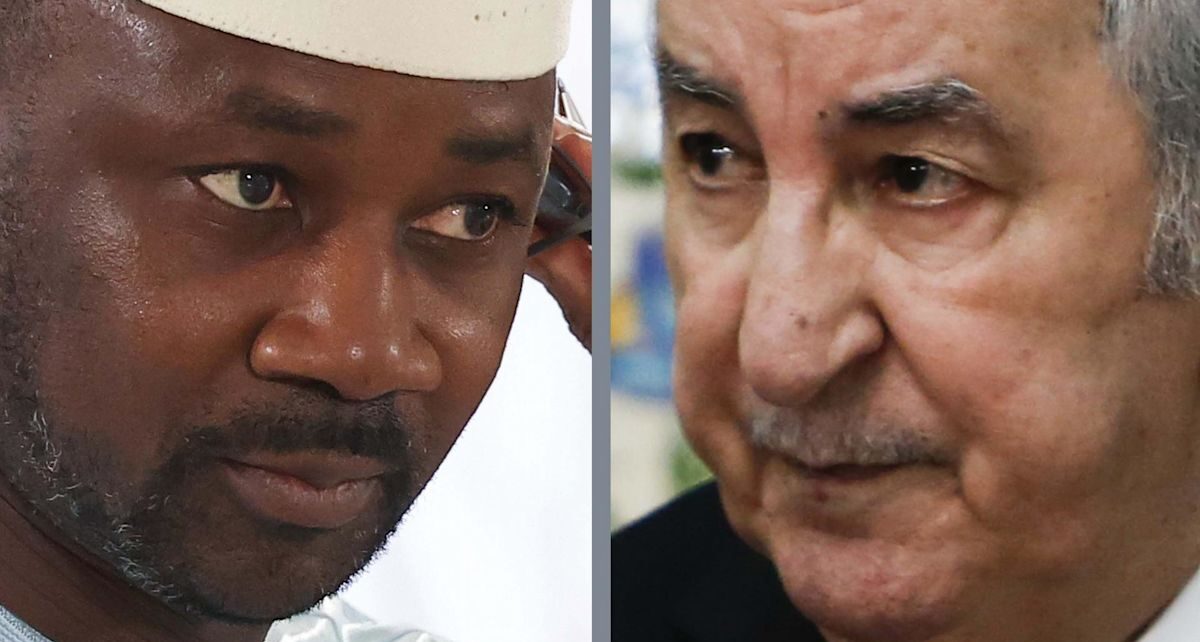
After a year marked by sharp tensions, Bamako and Algiers have taken decisive steps to restore relations between Mali and Algeria. The rift began in April 2025 when Algerian forces intercepted and destroyed a Malian drone, alleging it had violated Algerian airspace. The Malian government firmly denied the accusation, leading to a swift response: Bamako closed its airspace to Algeria, a country sharing over 1,300 kilometers of border.
Following months of diplomatic stalemate, the two nations announced a thaw in relations on July 10. Both countries agreed to reinstate their ambassadors and reopen their respective airspaces, signaling a clear intent to move past the conflict.
The momentum continued when Algerian Prime Minister Sifi Ghrieb extended an invitation to his Malian counterpart for an official visit, further solidifying the thaw during a recent telephone conversation between the two leaders.
Regional security drives the rapprochement
The urgency to restore relations stems from the shared challenges both nations face. Mali, along with neighboring Niger and Burkina Faso, has been grappling with the relentless threat of terrorist groups and rebel factions. For Algeria, a stable Sahel is not just a regional concern but also a strategic imperative. Despite not sharing a direct border with the Gulf of Guinea, the instability in the Sahel poses indirect risks to its national security.
Analysts highlight Algeria’s dual motivations behind this diplomatic push. First, it seeks to reassert its leadership in the region, a role that has come under scrutiny since 2020. Second, Algeria aims to leverage its partnership with Russia—a key ally for both Algiers and Bamako—to regain control over the escalating security crisis in the Sahel.
What’s in it for Bamako?
While Algeria may appear to gain more from this reconciliation, Mali stands to benefit in critical ways. Securing its 1,300-kilometer border with Algeria is a top priority, as the frontier has increasingly become a gateway for illicit activities and insurgent movements. Restoring stability along this border could curb the flow of weapons and fighters, thereby reducing internal and regional threats.
Another major advantage for Mali lies in the potential reopening of diplomatic channels. The government is keen to engage in negotiations with the National Movement for the Liberation of Azawad (MNLA), a rebel group active in the northern regions. Reviving dialogue could pave the way for a political settlement, restoring peace to areas plagued by conflict.
A shift in Sahel’s geopolitical landscape?
The recent thaw between Mali and Algeria may not drastically alter the geopolitical balance in the Sahel, which has remained largely unchanged since 2020. However, it does mark a significant turning point in Algeria’s regional engagement. By positioning itself as a mediator and security guarantor, Algiers is reclaiming its influence in a region where its role had diminished.
Additionally, the reconciliation opens doors for Russia to expand its strategic footprint in the Sahel. As Moscow maintains strong ties with both Bamako and Algiers, its involvement could further reshape the dynamics of regional alliances, particularly in counterterrorism efforts and military cooperation.

Related Articles