
Moroccan authorities have vowed to implement all necessary measures to address the recent surge in migration flows toward Ceuta, a Spanish enclave on the North African coast.
The announcement comes as hundreds of individuals arrived in Ceuta this week, prompting urgent discussions between Rabat and Madrid. Officials from the Moroccan Ministry of Interior emphasized their commitment to stabilizing the situation and preventing further unauthorized crossings.
Strengthening border controls
In response to the influx, Morocco has intensified patrols along its borders with the Spanish territories of Ceuta and Melilla. Enhanced surveillance measures are being deployed to curb irregular migration, including the deployment of additional security personnel and the use of advanced monitoring technology.
Interior Ministry spokesperson Mohamed Yassine stated that preventive actions are already underway to dismantle human trafficking networks operating in the region. He highlighted the importance of cooperation with European partners to ensure a sustainable solution.
Humanitarian concerns amid migration surge
As the number of arrivals continues to rise, humanitarian organizations have raised alarms over the dire conditions faced by migrants in Ceuta. Reports indicate that many are stranded without adequate shelter, food, or medical care.
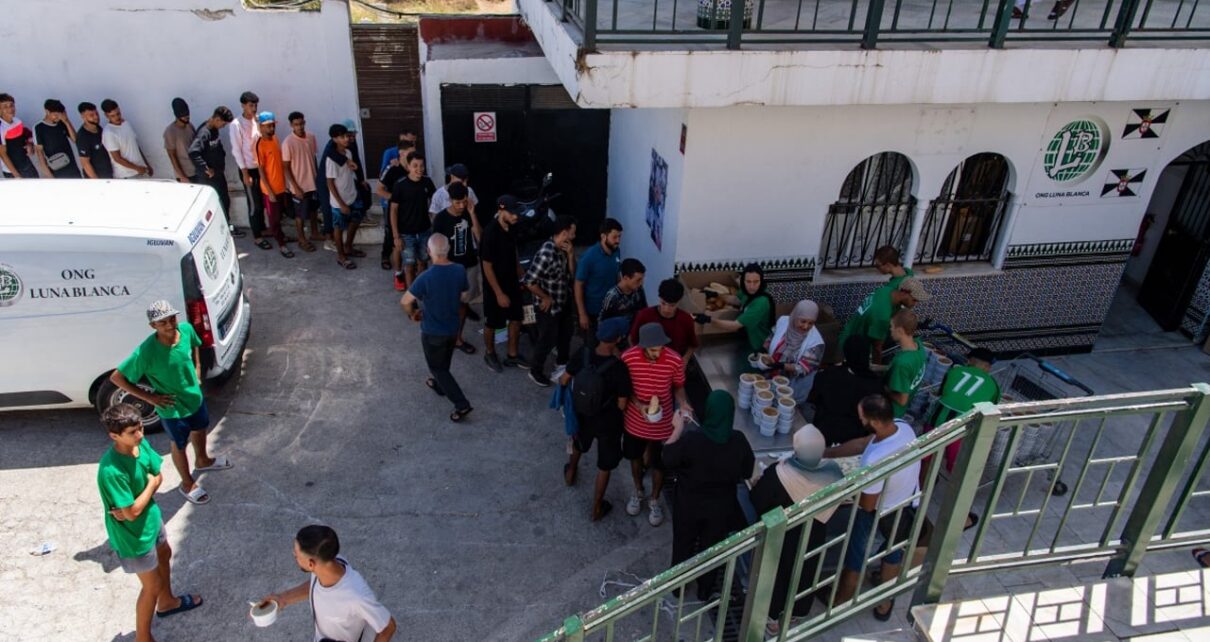
A local aid group, Luna Blanca, has been providing emergency assistance, including food distribution and medical support, to those affected. Volunteers warn that the situation could deteriorate rapidly without coordinated intervention.
International calls for coordinated response
European officials have called for a unified approach to tackle the migration crisis. Discussions are underway to explore long-term strategies, including legal migration pathways and enhanced border security.
Morocco, a key transit country for migration routes, reiterated its role as a responsible partner in managing the flow of people while addressing the root causes of displacement.