US ambassador nomination for Gabon signals diplomatic shift under Trump
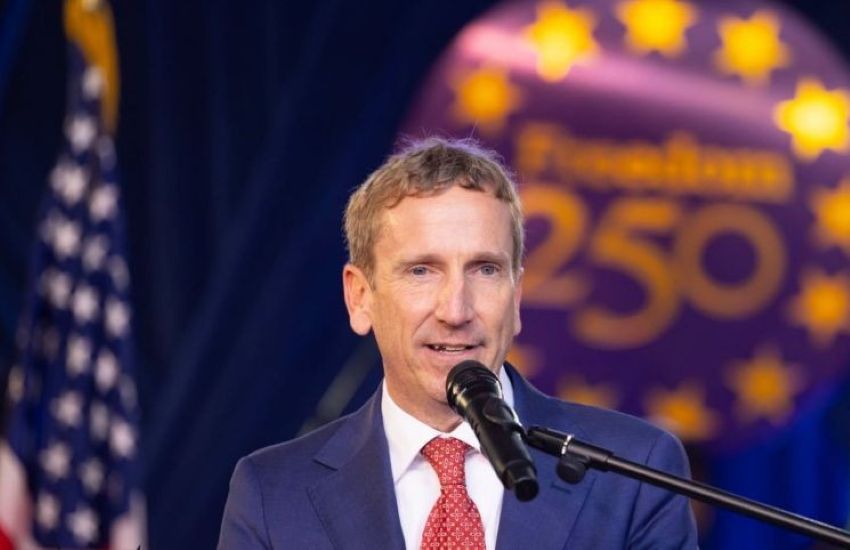
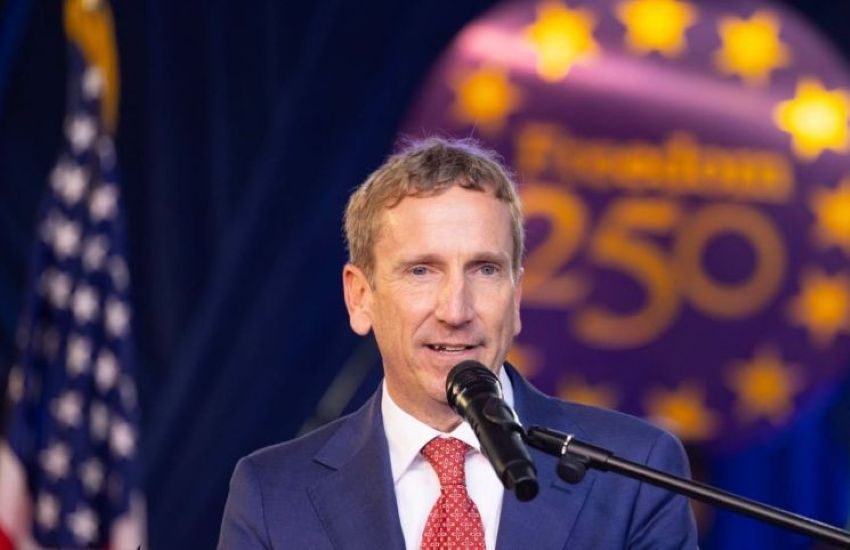
Libreville, Thursday, August 13, 2026 — The nomination of Keith Heffern as the next United States Ambassador to Gabon marks a pivotal moment in Washington’s diplomatic realignment across Africa under President Donald Trump. The White House formally submitted his candidacy to the Senate on August 7, 2026, setting the stage for a potential restoration of full diplomatic representation in Libreville.
The move comes after months of interim leadership, with the U.S. Embassy in Gabon currently led by Chargé d’Affaires Susan N’Garnim since January 2026. While Heffern’s appointment must still clear Senate confirmation, his selection reflects a deliberate preference for career diplomats with deep regional expertise—a trend evident in multiple ambassadorial nominations announced simultaneously for African nations.
Diplomatic continuity meets strategic intent
Keith Heffern’s profile stands out as a veteran Foreign Service officer holding the rank of Minister-Counselor. His prior diplomatic engagements suggest familiarity with Gabon’s political and economic landscape, which could streamline bilateral cooperation on key issues such as maritime security in the Gulf of Guinea, wildlife trafficking, and economic diversification.
A broader African strategy unfolds
Heffern’s potential appointment is part of a larger wave of nominations targeting African capitals, including William Flens for Chad, Marc Dillard for Madagascar and the Comoros, and candidates for Togo, Mauritania, Benin, Malawi, and Cabo Verde. This systematic approach underscores Washington’s intent to rebuild and refine its diplomatic footprint across the continent, prioritizing seasoned professionals over political appointees.
For Gabon, the timing carries strategic weight. The U.S. had previously recalled its ambassador, leaving the embassy reliant on temporary leadership—a situation that persisted until now. The Senate’s decision will determine whether Libreville regains a permanent envoy, signaling a renewed commitment to strengthening ties.
Economic leverage and geopolitical positioning
Gabon’s significance to U.S. interests extends beyond traditional diplomacy. As a resource-rich nation—boasting mineral, timber, and energy assets—and a key player in the Congo Basin and Gulf of Guinea, Gabon occupies a critical position in Washington’s calculations. Recent developments, such as the reinstatement of Gabon under the African Growth and Opportunity Act (AGOA) in May 2026, further amplify the economic stakes.
These factors converge to elevate Heffern’s potential ambassadorship from a routine appointment to a strategic asset. Gabon is actively courting foreign investment and diversifying partnerships, while Washington faces intensifying competition from Beijing, Moscow, and Ankara in Africa. The confirmation of a U.S. ambassador in Libreville could serve as a tangible step toward countering rival influence.
What’s next for Gabon and the U.S.?
The Senate’s confirmation hearing will be the decisive test. Until then, Heffern remains a nominated candidate, not yet an envoy. Yet the message from Washington is clear: a preference for continuity and competence in a relationship poised for deeper engagement.
Should he be confirmed, Heffern will step into a transformed diplomatic landscape. His arrival could catalyze progress in trade, security cooperation, environmental initiatives, and institutional partnerships—areas where tangible outcomes will define the success of this renewed U.S.-Gabon dynamic.
The stakes are high for both nations. Gabon seeks to leverage this diplomatic momentum to attract investment and solidify its international standing, while the U.S. aims to reassert its influence in a region where strategic competition shows no signs of easing.