Gabon’s economic diplomacy: a new era of african and international partnerships
Libreville, Wednesday, June 3, 2026 – In a strategic move to foster sustainable economic transformation, President Brice Clotaire Oligui Nguema is actively solidifying a new approach in Libreville. This strategy centers on forging strong alliances between African capital and global partners, with a keen focus on housing, essential infrastructure, African finance, and private sector investments.
While many African nations grapple with balancing economic expansion, social equity, and national sovereignty, Gabon is demonstrating a clear intent to accelerate progress across multiple fronts. Recent high-level meetings held by President Oligui Nguema on Tuesday – with Idrissa Nassa, Chairman and CEO of Coris Bank Group, and Zhu Junbo, General Manager of the Chinese firm COVEC – underscore a pivotal shift in the government’s strategic direction.
These engagements extend beyond mere diplomatic protocol, revealing a comprehensive vision. They signal a determination by the Gabonese state to harness African capital, attract foreign direct investment, and reinvigorate critical development projects to underpin the nation’s economic evolution.
The ascendance of African capital
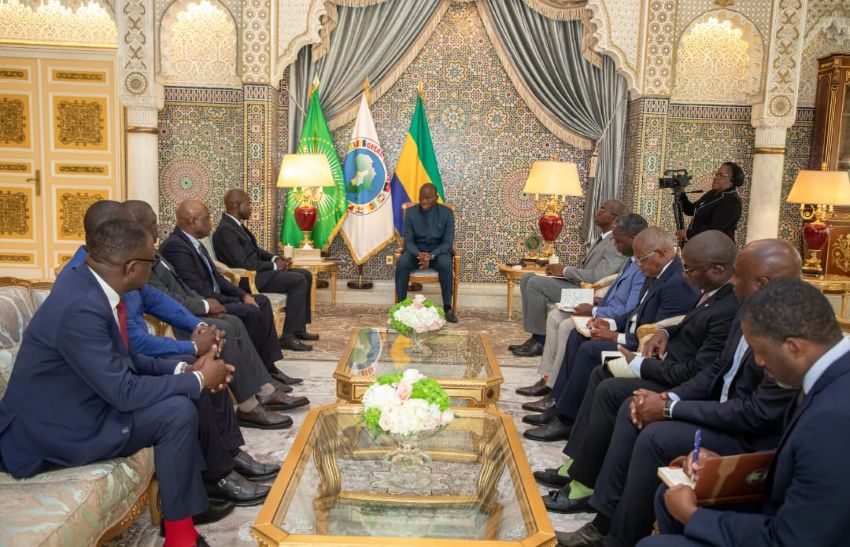
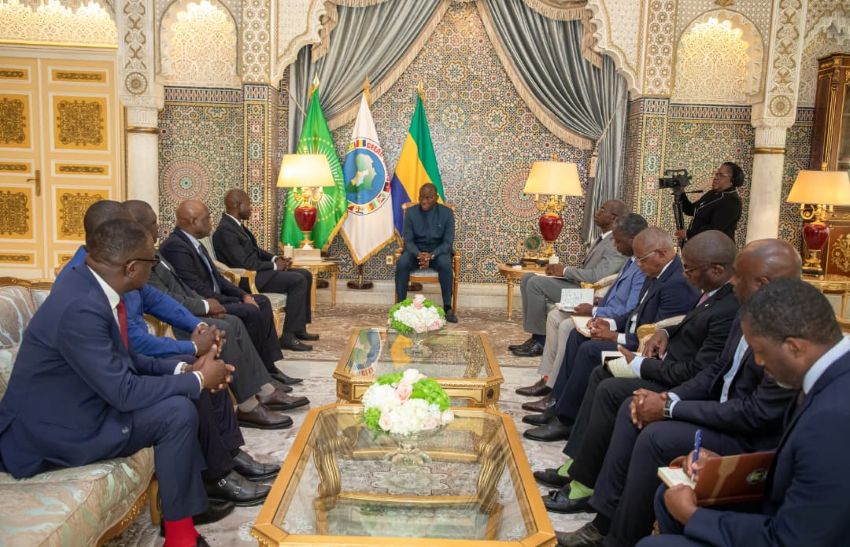
The audience granted to Idrissa Nassa holds particular significance. He was accompanied by a substantial delegation of Burkinabè business leaders, including Roland Sow, President of the Burkina Faso Chamber of Commerce and Industry; Saïdou Tiendrébeogo, President of Burkina Faso’s Real Estate Developers; and Achille Ouédraogo, President of Burkina Faso’s Young Entrepreneurs.
This notable presence highlights a profound change within Africa’s economic landscape. Historically reliant on European, American, or Asian financing, the continent is now witnessing the rise of African financial conglomerates capable of investing beyond their national borders. Gabon is unequivocally positioning itself to be a key participant in this dynamic trend.
Discussions during the meeting centered on the ambitious housing program championed by Gabonese authorities. This initiative, while addressing a critical social need, also serves as a potent economic catalyst. Housing development stimulates various sectors simultaneously: banking, construction companies, material producers, public services, and local employment.
By encouraging Coris Bank to contribute to this endeavor, the Gabonese president is actively working to establish a model where African solutions drive African aspirations.
Housing as a development engine
Ensuring access to housing is a declared top priority within the presidential social agenda. However, its impact extends far beyond the mere construction of buildings. In all emerging economies, housing is a fundamental factor for social stability, wealth creation, and urban advancement.
By promoting homeownership, the state not only stimulates savings but also strengthens the middle class and invigorates overall economic activity. This underlying principle explains the crucial role assigned to financial partners in the successful implementation of the program.
Further demonstrating its long-term commitment to the Gabonese economy, Coris Bank also announced the upcoming construction of its new headquarters on the prominent Boulevard de la Transition.
Infrastructure’s renewed central role
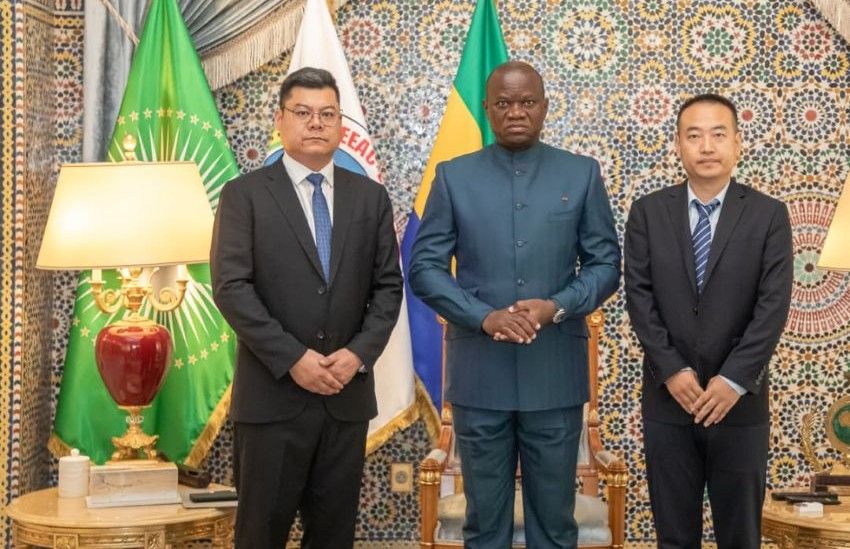
The second presidential audience addressed one of Gabon’s enduring development challenges: infrastructure. Facing the President, Zhu Junbo, General Manager of COVEC, confirmed the imminent resumption of crucial road construction projects across several strategic routes.
Among the most anticipated projects by the populace are the Ndendé-Tchibanga and Tchibanga-Mayumba sections in Nyanga province, as well as the Sibang-Bambouchine axis in Estuaire province. Their importance transcends simple mobility.
Improved road networks significantly reduce logistical costs, facilitate trade, enhance access to public services, attract investors, and better connect various regions. In numerous countries, infrastructure forms the unseen foundation of economic growth; its absence impedes activity, while its presence invigorates it.
The recommencement of these vital projects thus sends a powerful message to both national and international economic stakeholders.
A strategy for economic sovereignty
These two distinct yet interconnected sequences reveal a consistent overarching philosophy: Gabon is committed to diversifying its partnerships while staunchly upholding its ambitions for economic sovereignty. African capital is actively sought, and international enterprises remain crucial partners. The targeted sectors are directly linked to the daily lives of citizens.
Housing, roads, agriculture, livestock, and financial inclusion are all critical areas that will determine Gabon’s ability to lessen its reliance on oil revenues and cultivate a more resilient economy.
The ultimate success of this ambitious strategy will depend on the tangible execution of the announced commitments. The Gabonese populace anticipates completed housing projects, finished roads, accessible banking services, and genuine economic opportunities.
However, one aspect is already abundantly clear: by simultaneously engaging African investors and international partners on pivotal structural projects, President Brice Clotaire Oligui Nguema is striving to position Gabon at the core of a reimagined economic geography for the continent.
This new paradigm emphasizes that development should no longer hinge solely on external aid, but rather on the collective capacity of African actors to invest in their own future.