Gabon’s Oligui Nguema outlines bold economic and political vision
Libreville, June 3, 2026 — In a carefully orchestrated media appearance, Gabonese President Brice Clotaire Oligui Nguema used an exclusive interview to present his administration’s roadmap, emphasizing economic sovereignty, progressive reforms, and a decisive break from dynastic politics.
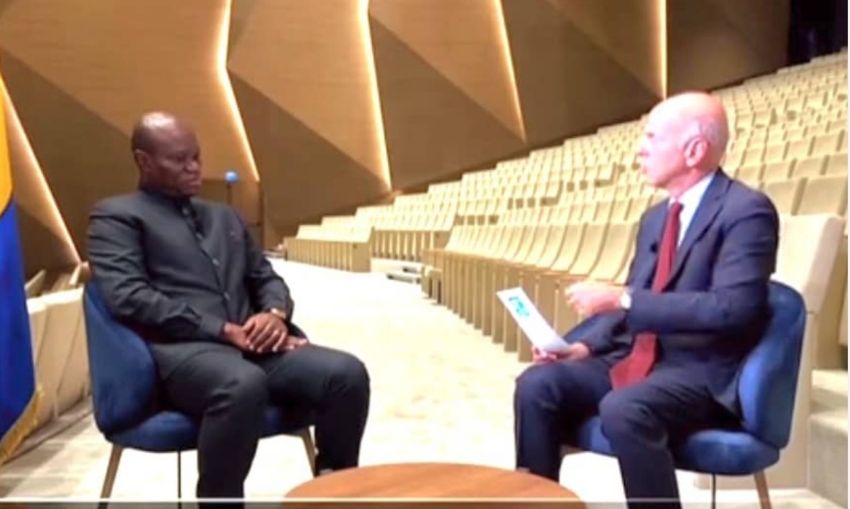
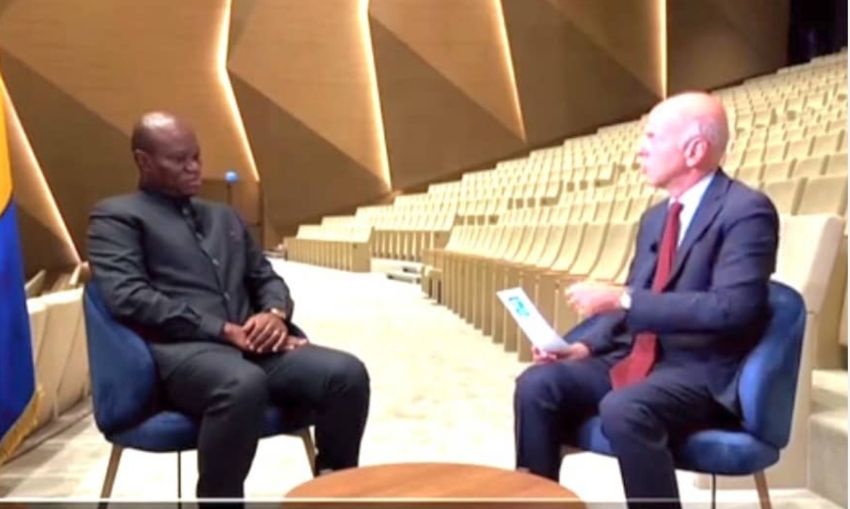
Seated in the Congress Hall of the Cité de la Démocratie in Libreville, the head of state engaged in a high-stakes dialogue with international media, defending his policies with conviction. Nearly a year after winning the presidential election with over 94% of the vote, Oligui Nguema articulated a vision of governance that prioritizes long-term transformation over short-term gains.
His remarks came in response to mounting concerns about the pace of development, particularly in access to essential services like electricity and clean water. The president acknowledged these challenges but framed them as part of a deliberate, multi-year strategy rather than signs of stagnation.
Building a future through gradual reform
The president made it clear that Gabon’s development is not a sprint but a marathon. He highlighted investments exceeding 800 billion CFA francs in energy infrastructure, positioning these efforts as foundational for future prosperity. While critics may question the timeline, Oligui Nguema insisted that systemic change requires patience and structured planning.
This approach is becoming a hallmark of his leadership, signaling a departure from the quick-fix mentality that has often undermined public trust in governance across the region.
Economic sovereignty as a guiding principle
The most defining moments of the interview centered on economic policy. The president confirmed Gabon’s intention to engage with the International Monetary Fund—but only after conducting a thorough audit of the country’s public finances. This stance underscores a broader strategy: regaining control over financial commitments before entering new agreements.
A major policy shift was announced regarding manganese, one of Gabon’s key mineral exports. Starting in 2029, the export of raw manganese will be prohibited. This decision is part of a broader push to localize value addition, particularly targeting multinational mining firms like Eramet. The message was unambiguous: Gabon will no longer export raw materials without processing them domestically first.
This move reflects a broader ambition to rebalance the country’s economic relationships, ensuring that foreign partnerships contribute more directly to national development.
Balancing sovereignty with international cooperation
Despite his emphasis on economic independence, Oligui Nguema was careful to stress that sovereignty does not mean isolation. He confirmed an upcoming state visit to France in July, framing the relationship as one of mutual respect rather than dependency. The recent transfer of Camp de Gaulle to Gabonese authorities was cited as a symbol of this balanced approach—a stark contrast to the confrontational dynamics seen elsewhere in the Sahel.
His response to a U.S. proposal regarding the resettlement of deportees further illustrated this stance. While maintaining strong ties with Washington, the president made it clear that Gabon would not compromise its national interests for foreign political pressures.
Rejecting dynastic rule: a commitment to democratic alternation
In a region where political power often lingers through family succession, Oligui Nguema took a definitive stance: no political dynasty bearing his name would ever take root in Gabon. He emphasized the irreversibility of the seven-year presidential mandate, renewable only once, positioning this as a cornerstone of a new institutional framework built on democratic alternation.
His remarks about former President Ali Bongo Ondimba were measured, focusing on health concerns rather than political score-settling. This tone suggests a deliberate effort to distance his administration from the controversies of the past while maintaining a tone of national reconciliation.
The road ahead: from vision to reality
More than a year into his presidency, Oligui Nguema’s interview was less about defending his record and more about outlining a philosophy of governance. Sovereignty, local transformation of resources, balanced international partnerships, and institutional reform—these are the pillars of his administration’s strategy.
The true test, however, lies in execution. While the president enjoys significant political capital, the expectations of the Gabonese people remain high. They will judge him not by his promises, but by tangible outcomes: reliable electricity, clean water, economic opportunities, and a political system that genuinely reflects their will.
Oligui Nguema’s message was clear: Gabon is reclaiming control of its destiny. Whether this vision translates into lasting prosperity will define his legacy.