Gabon’s SEEG crisis: President Oligui Nguema prioritizes dialogue over confrontation
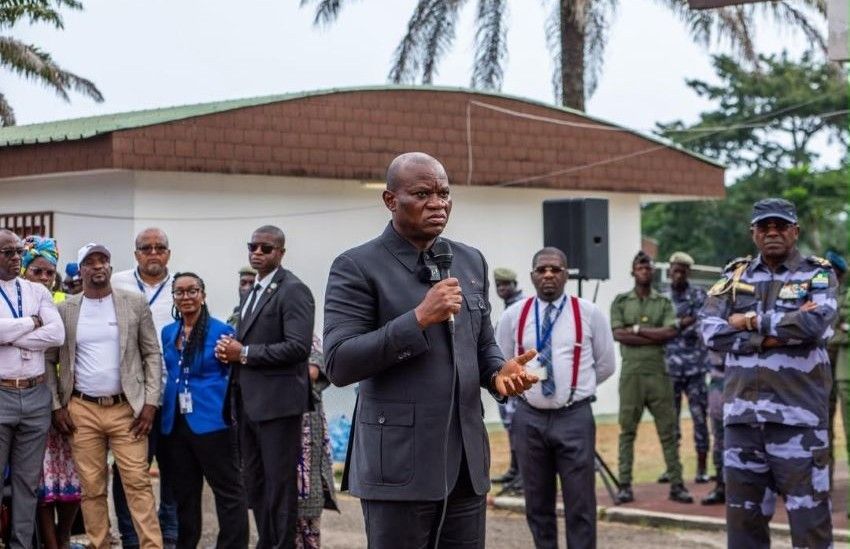
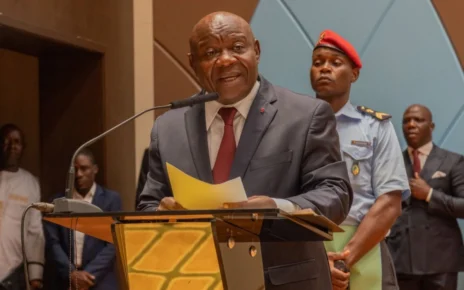
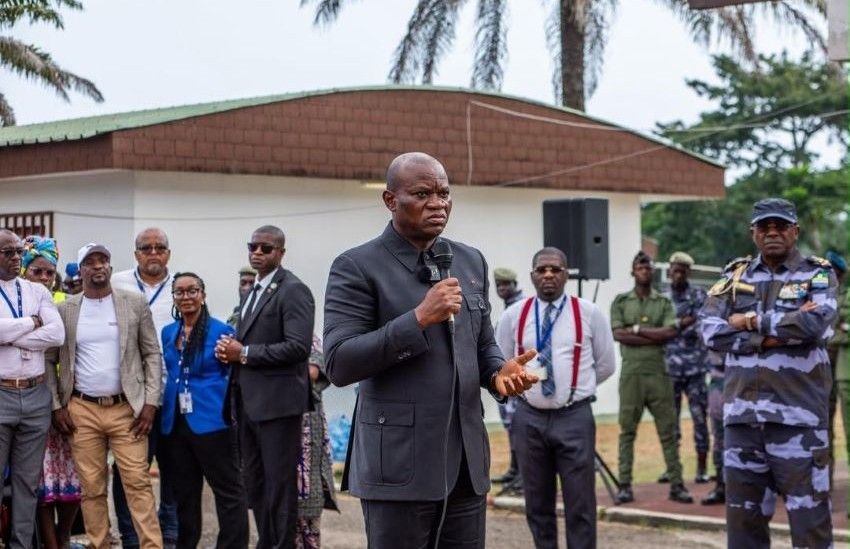
At the Jean Violas training center in Owendo, President Brice Clotaire Oligui Nguema spent nearly three hours engaging directly with SEEG employees—a rare move in addressing Gabon’s water and electricity crisis. Instead of issuing formal statements or delegating the issue, the Head of State chose to listen, ask questions, and set clear priorities in person.
This unprecedented encounter, requested by the employees themselves, comes at a time when public frustration with SEEG’s service quality has reached a boiling point. Years of frequent power cuts, water shortages, aging infrastructure, and governance concerns have turned energy into a national debate.
Unfiltered insights reveal deep-rooted challenges
The discussions laid bare the harsh realities faced daily by SEEG’s workforce. Years of accumulated dysfunctions, organizational inefficiencies, technical constraints, and managerial shortcomings were openly discussed. Employees acknowledged that sustainable recovery demands collective introspection—not just financial investment or infrastructure upgrades.
Their frank assessment signals a shift: the problem is no longer just about funding or hardware. It’s about governance, work culture, and accountability within the company. This internal recognition marks a turning point, moving beyond blame games toward a shared commitment to reform.
Governance and accountability take center stage
The President underscored that modernizing SEEG requires more than capital or technology—it demands rigorous governance, transparency, and a return to public service values. His message was unambiguous: no lasting progress can occur without strong leadership and responsibility at all levels.
This stance aligns with broader efforts to overhaul public services in Gabon. For SEEG, the goal is clear: rebuild trust with citizens by delivering reliable water and electricity—a cornerstone of economic growth, public health, and social stability. The Jean Violas training center visit also highlighted the importance of technical training, positioning human capital development as a key pillar of transformation.
Water and electricity as catalysts for national progress
President Oligui Nguema emphasized that access to clean water and electricity is not merely a technical matter—it’s foundational to Gabon’s development. These services drive economic competitiveness, education, healthcare, and overall quality of life. His administration has elevated this issue to a top priority, viewing it as essential to unlocking the country’s potential.
As the meeting concluded, employees reaffirmed their commitment to the reform process. Their dedication mirrors the government’s vision: a modernized SEEG that meets the rising expectations of the Gabonese people. In a nation where energy challenges shape much of the economic outlook, this dialogue transcends routine administrative action—it embodies a belief that complex crises demand listening, shared responsibility, and collective action for the greater good.