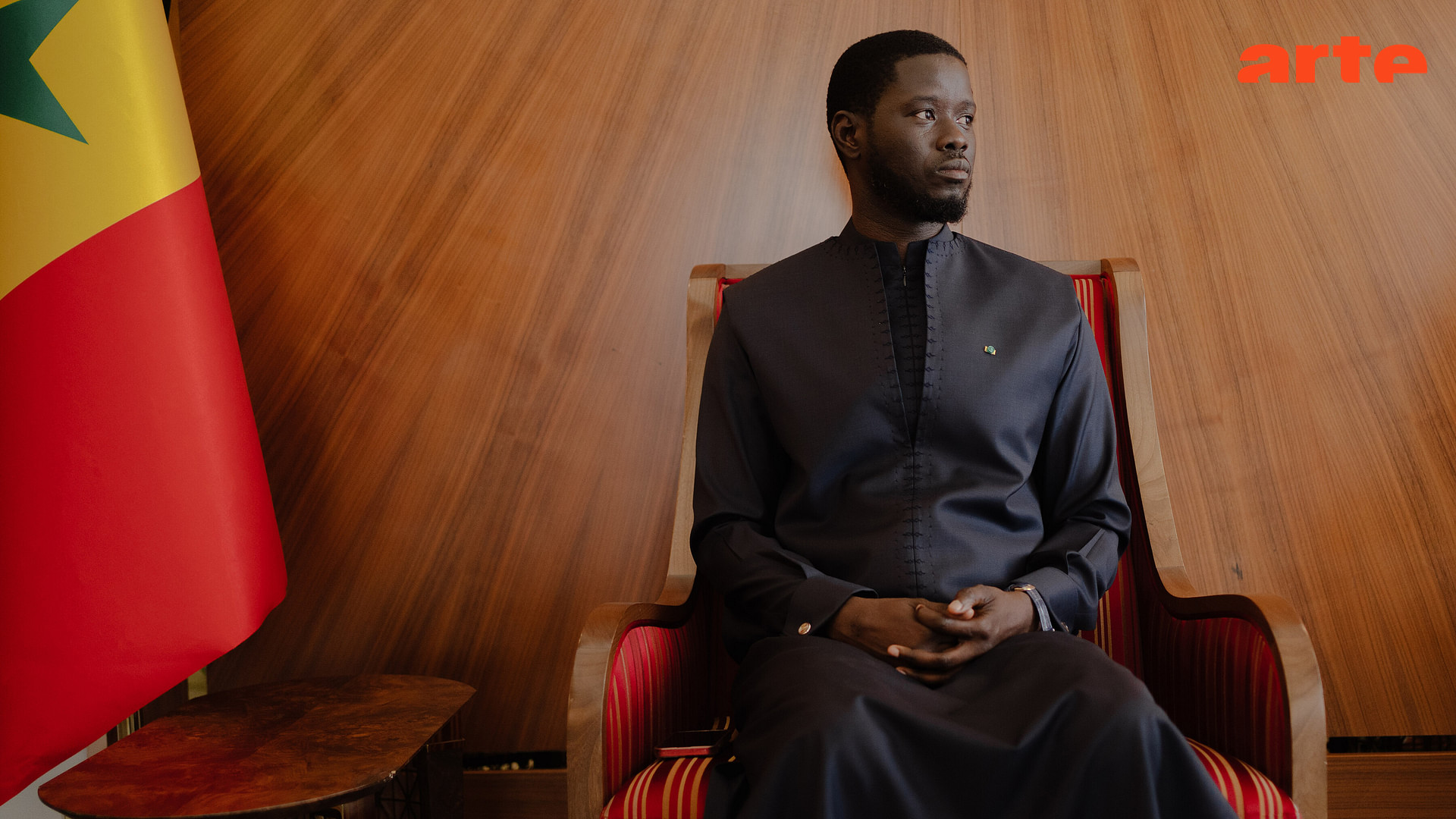
Senegal’s political and social turmoil deepens amid leadership shake-up
Dakar is witnessing unprecedented political volatility as President Bassirou Diomaye Faye executes a dramatic cabinet reshuffle, removing Ousmane Sonko—once his closest ally and prime minister—from power. The move comes just days after Sonko secured the parliamentary speaker position on May 26, 2026. This strategic shift has intensified debates about governance stability in Senegal.
Adding to the nation’s mounting tensions, the government enacted stringent legislation in March 2026 that significantly toughens penalties for homosexuality. The bill’s passage has sparked widespread controversy, drawing sharp criticism from human rights advocates and international observers alike.
What’s driving the crisis?
Analysts point to a confluence of factors exacerbating Senegal’s political and social climate:
- Leadership realignment: The abrupt dismissal of Ousmane Sonko, a former opposition leader turned prime minister, signals a major power shift within the ruling coalition.
- Legal crackdowns: The new anti-homosexuality law has reignited debates over civil liberties and human rights, with opponents warning of potential backlash against marginalized communities.
- Public sentiment: Widespread frustration over economic hardships and governance issues has fueled protests, raising concerns about long-term stability.
What’s next for Senegal?
The coming months are critical. With the president consolidating authority and controversial policies taking shape, the nation stands at a crossroads. Will these measures restore order, or will they deepen divisions? The international community is closely watching, as Senegal’s stability has ripple effects across West Africa.
One thing is clear: the decisions made now will define the country’s trajectory for years to come.