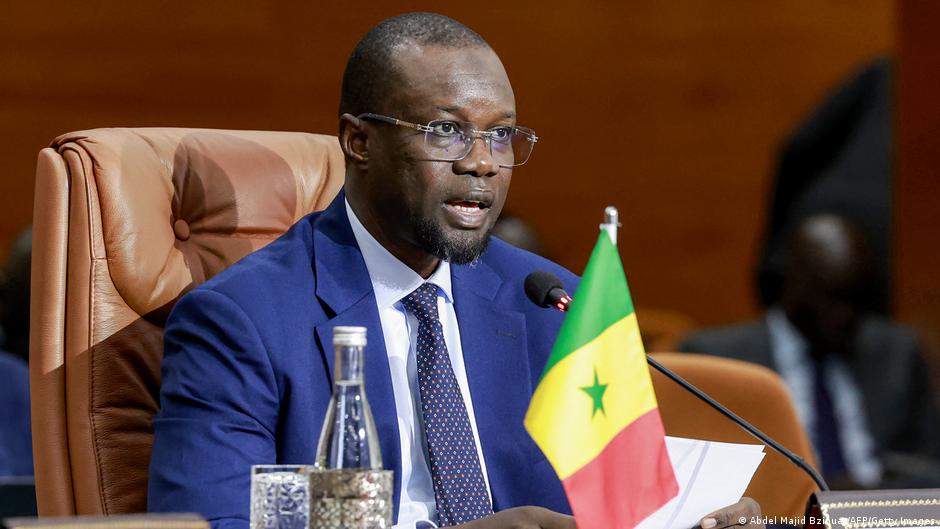
In Senegal, openly criticizing Ousmane Sonko has become a high-stakes gamble, particularly as his supporters wield significant influence online. Civil society leaders and journalists have raised alarms about the growing climate of intimidation shaping public discourse in the country.
Those who dare to challenge Sonko’s positions often face aggressive smear campaigns on social media, orchestrated by fervent members of his party, Pastef. This digital harassment has fostered widespread self-censorship, as individuals fear both online backlash and potential physical repercussions.

intimidation tactics and threats to press freedom
Since assuming office as Prime Minister in early April 2024, Ousmane Sonko has repeatedly targeted Senegal’s media landscape. His rhetoric has included warnings against unchecked journalism, questioning the credibility of press freedom in the name of accountability.
In one of his first major statements, he declared: “We will no longer tolerate media outlets publishing unverified claims under the guise of press freedom.” Such remarks have raised concerns among journalists and press freedom advocates about potential restrictions on independent reporting.
undermining judicial independence
Sonko’s criticism extends beyond the media. He has frequently challenged the integrity of Senegal’s judiciary, accusing certain magistrates of obstructing financial investigations tied to his political agenda. During a November 2025 meeting, he singled out judges for allegedly perpetuating the very systemic issues he has long opposed. These remarks sparked sharp reactions from the legal community, which views them as an affront to judicial autonomy.
setbacks in women’s rights advocacy
Senegalese women’s rights activists have also expressed frustration over the stagnation of gender equality progress under Sonko’s leadership. Despite the 2010 parity law, which mandates equal representation in decision-making roles, implementation remains weak.
Ossama Monique Sagna, a prominent feminist activist, highlights a troubling decline: “The current government has fewer female ministers than its predecessor under Macky Sall. This represents a clear regression in women’s political representation.”
In Macky Sall’s final cabinet, seven women held ministerial positions, whereas Sonko’s administration, before recent changes, included only four—roughly 13% of the total. This drop has fueled public criticism and disappointment.
Sagna further notes that structural reforms remain stalled. Key feminist demands, such as revising the Family Code to eliminate discriminatory provisions and fully implementing the Maputo Protocol on women’s reproductive rights, have yet to see meaningful progress. She also points to the alarming rise in gender-based violence, including 18 recorded feminicides in 2025 alone, as evidence of the government’s inadequate response.
She laments: “The same issues persist because political will is lacking. Women’s rights are not a priority, and violence against women continues unchecked.”