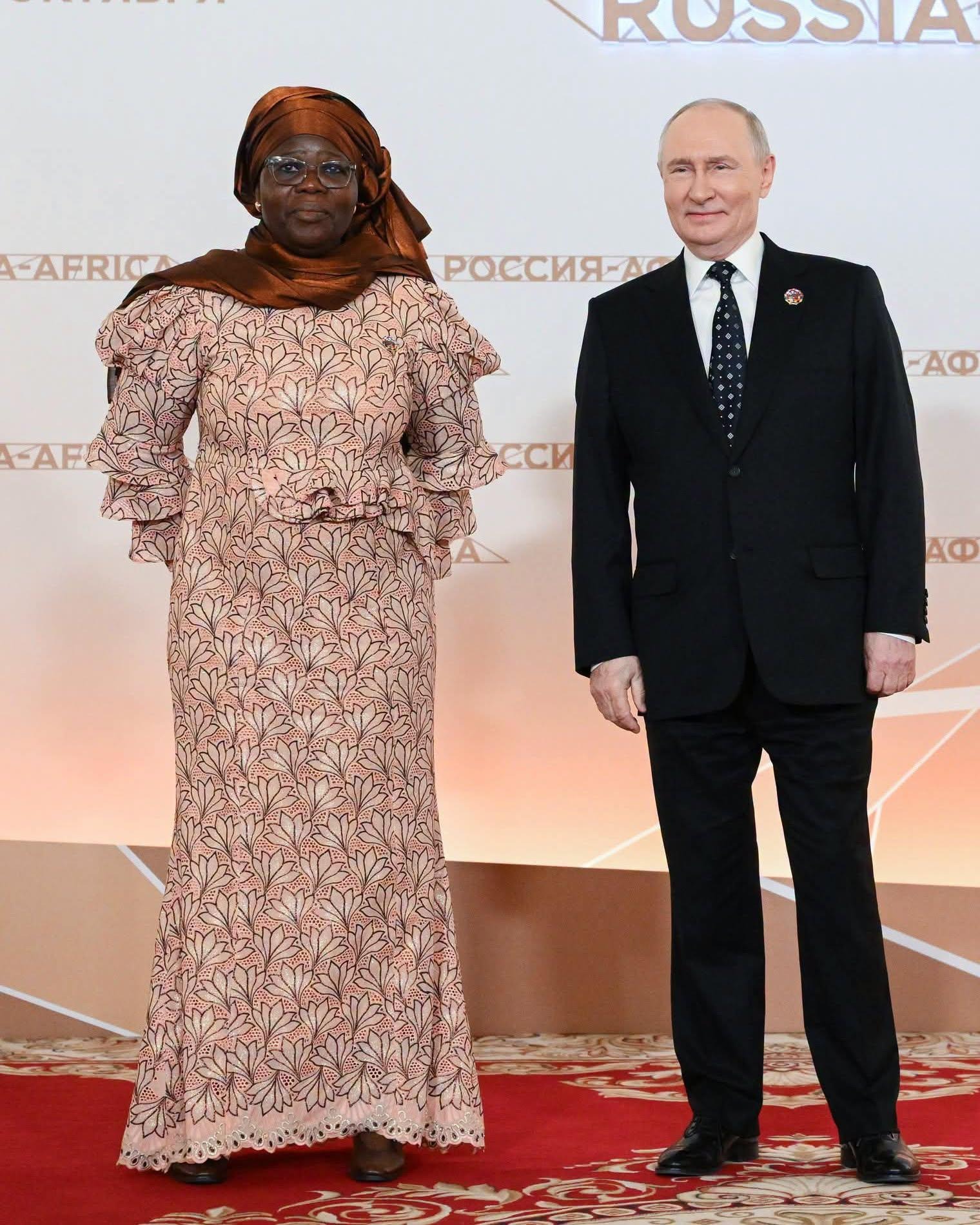
As the third Russia-Africa Summit unfolded in Moscow on October 28-29, 2026, Benin’s delegation faced a pivotal challenge: how could Cotonou harness international partnerships to accelerate domestic economic progress while safeguarding its political independence? Vice President Mariam Chabi Talata arrived with a bold agenda—not just to attend, but to turn diplomatic dialogue into tangible development opportunities for Benin’s people.
Reinvigorating an enduring partnership
Benin’s history with Russia dates back to its early post-independence years, when the Republic of Dahomey formally established relations with Moscow on January 9, 1962. Over the decades, cooperation flourished, particularly during the 1970s and 1980s under the People’s Republic of Benin, across sectors like education, healthcare, and defense. Russian institutions educated generations of Beninese professionals, fostering a deep-rooted bond of mutual trust. Now, as global power dynamics shift, Cotonou is reimagining this legacy—not as a relic of the past, but as a foundation for a sovereign-driven economic future.
Why Benin’s approach to Africa-Russia relations matters
The Moscow summit, following earlier gatherings in Sochi (2019) and Saint Petersburg (2023), served as a pivotal review of the Russia-Africa action plan (2023-2026), paving the way for a new strategic phase (2027-2029). For Benin, this wasn’t just another international forum—it was a platform to challenge outdated trade norms. The delegation advocated for agreements that prioritize local value addition, fair economic participation, and sustainable growth, rejecting models that could compromise national autonomy.
Vice President Talata’s active role in the Economic and Humanitarian Forum, alongside African and Russian leaders, reinforced a critical message: African nations must anchor their partnerships in structural transformation. The focus isn’t merely on accessing global markets; it’s about defining the rules of engagement on their own terms.
From negotiation tables to local transformation
When the summit concluded with a revised joint declaration and action agenda, Benin’s presence in Moscow sent a clear signal: Cotonou is no longer a passive participant. It is a co-architect of its economic future. By pushing for investments that bolster domestic industries, create jobs, and facilitate technology transfer, Benin is pioneering a new diplomatic model—one where cooperation enhances sovereignty rather than undermining it.
The real test, however, begins now. The summit may be over, but the work to translate high-level commitments into real-world progress has just started. Can Benin’s ambitious goals—born in diplomatic halls—take root in its factories, farms, and schools? The answer will determine whether these efforts translate into lasting prosperity for its people.