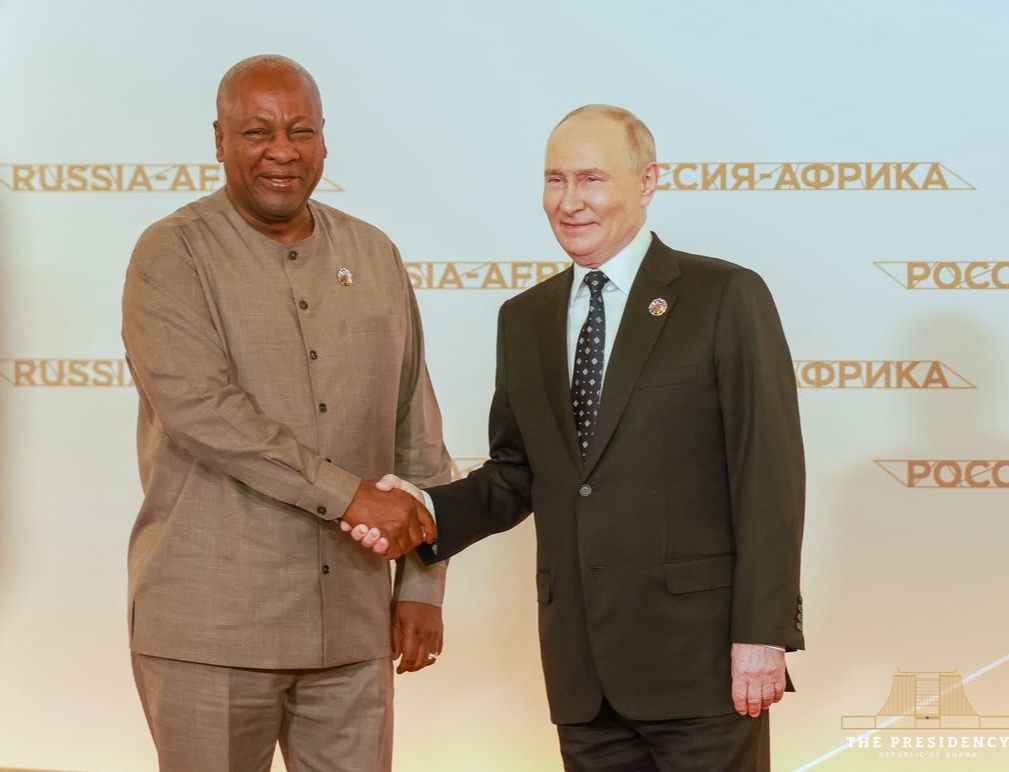
The Kremlin’s war in Ukraine has taken a grim toll on African youth, with reports confirming over 60 Ghanaian recruits killed and many more unaccounted for. This staggering human cost has forced governments across Africa to confront a disturbing question: Are their citizens being treated as expendable pawns in Moscow’s military campaign?
Behind the veil of diplomatic responses lies a harsher reality. Young men from impoverished backgrounds are being lured by false promises—well-paying jobs, European visas, and financial security—only to be sent to the frontlines of Ukraine as cannon fodder. Their fate is sealed the moment they sign those contracts, with no path to safety, survival, or dignity.
The dark mechanics of recruitment: from poverty to the battlefield
Russian-backed networks operate with chilling efficiency, preying on the most vulnerable populations. Unlike traditional conscription, which relies on coercion, these modern recruiters exploit systemic neglect. They target students with no future, workers with no income, and families with no options, offering what seems like a lifeline—only to deliver a death sentence. These recruits aren’t just casualties; they’re designed to be sacrificial, deployed in ways that spare Russian soldiers while bearing the brunt of Ukraine’s relentless firepower.
The recruitment pipeline is a cycle of deception. Vulnerable individuals are sold dreams of wealth and citizenship, only to find themselves trapped in a war they never chose. Once in Ukraine, they become part of a brutal calculus where their lives are valued only as long as they remain expendable.
The bitter irony: africa’s neglect fuels foreign wars
This crisis exposes a painful paradox: African youth are abandoned by two forces—first by their own governments, then by foreign powers that see them as cheap labor for global conflicts. While Ghana has taken steps to address the issue, the continent at large remains a hunting ground for Russian-backed recruiters embedded within the military establishment. These young men are not just victims of Ukraine’s war; they are casualties of a much larger failure—one rooted in the neglect of African leadership and the voracious appetite of foreign exploiters.
The grim truth is that as long as African nations fail to provide economic opportunity, education, and security, powers like Russia will continue to exploit their desperation. The lives lost in Ukraine are not just a tragedy; they are a stark reminder of a continent-wide abandonment.
Why african sovereignty depends on protecting its youth
Recent promises from West African leaders to halt recruitment offer a glimmer of hope, but they come too late for the families mourning their sons, brothers, and fathers. The Kremlin, once dismissive of the human cost, now faces growing scrutiny. The question remains: How many more African lives will be bartered away before the continent asserts its sovereignty?
The solution lies not in negotiations with Moscow, but in addressing the root causes that make African youth so vulnerable. Without meaningful economic reform, transparent governance, and a firm commitment to citizen welfare, Africa will remain a perpetual resource for foreign conflicts—one that offers no rewards, only ruin.
Breaking the cycle: strategies to reclaim africa’s future
Ending this modern form of human trafficking requires more than words—it demands action. African nations must prioritize education and job creation, dismantle corruption, and enforce strict penalties against recruiters operating within their borders. Civil society must also play a critical role, holding both local leaders and foreign actors accountable for devaluing African lives.
Until then, the youth of Africa will continue to be treated as bargaining chips in a geopolitical game. Their sacrifices in Ukraine will serve as a dark reminder of what happens when a continent fails its people—neglect leads to exploitation, and exploitation leads to death. The bloodshed in Ukraine is not just a war crime; it is a stain on the conscience of two continents, a testament to the cost of indifference and abandonment.