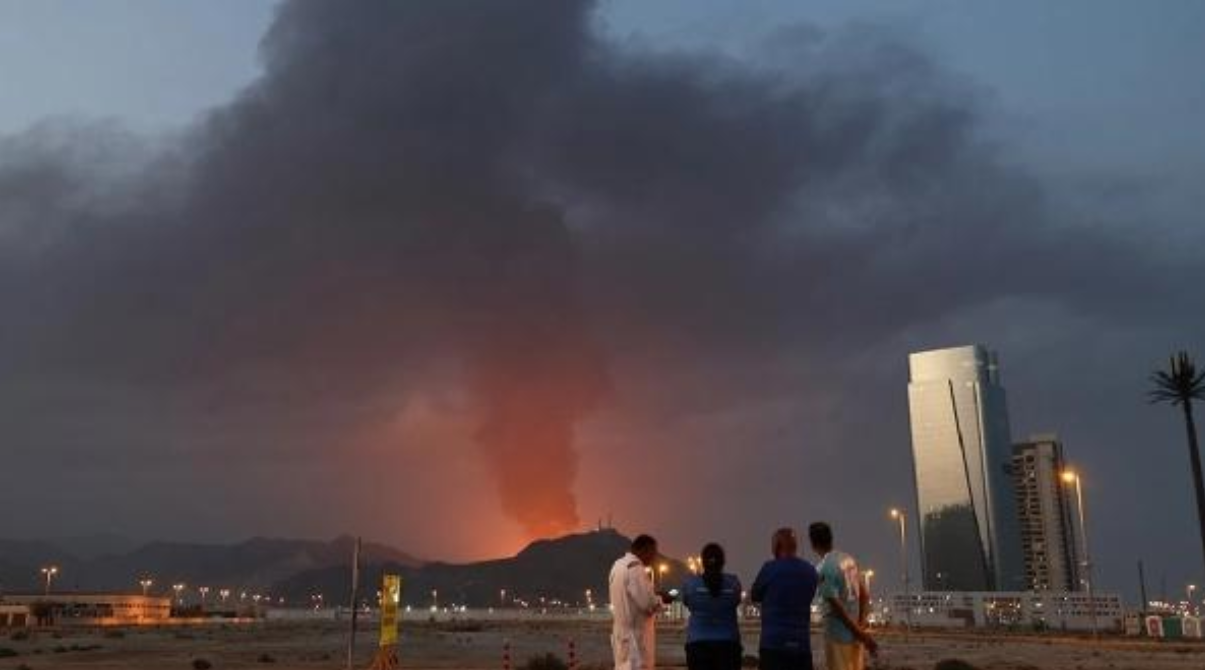
Stepping into murky waters: the Strait of Hormuz strikes just hours before midterms
As the United States braces for its highly anticipated midterm elections, President Donald Trump has made a bold—and potentially perilous—move. On November 2, US forces conducted targeted strikes against Iranian military installations on Qeshm Island, situated in the strategically vital Strait of Hormuz. Marketed as defensive actions, these operations have raised serious questions about timing, intent, and the broader implications for both regional stability and domestic politics.
The decision comes just one day before Americans head to the polls to cast their ballots in an election that could reshape the political landscape. For Trump, who has long framed himself as a president of strength and decisive action, these strikes represent a high-stakes gamble—one that risks backfiring on a population already weary of foreign entanglements and economic strain. Has the president just played his final card before the vote, or has he overplayed his hand?
Election Day anxiety: how Iran policy is shaping voter sentiment
The midterms are more than a routine political reset—they are a referendum on Trump’s presidency so far. As Americans prepare to vote for all 435 seats in the House of Representatives and 35 Senate seats, the administration’s handling of the Iran standoff has emerged as a defining issue. Public opinion polls, including those conducted in late summer, reveal a stark divide: only 31% of Americans approve of the conflict with Iran, while 63% disapprove. At the top of voters’ minds? Rising gas prices and economic uncertainty.
Trump’s surprise military move may be an attempt to demonstrate resolve to his base, but it could also backfire by reinforcing perceptions of a presidency distracted by distant wars rather than the bread-and-butter concerns of everyday Americans. Fuel costs are already a sensitive issue, and any escalation in the Persian Gulf risks pushing prices even higher—fueling further discontent at the ballot box.
The Strait of Hormuz: a powder keg for global energy markets
The Strait of Hormuz is not just a flashpoint for geopolitical tension—it is the jugular vein of the global oil trade. This narrow maritime passage, separating Iran from the Arabian Peninsula, handles roughly one-fifth of the world’s daily oil supply. Any disruption here sends ripples through energy markets, driving up prices and squeezing household budgets.
Tehran has repeatedly threatened to disrupt shipping in the strait in response to sanctions and perceived aggression, creating a delicate balance of power. Now, with US strikes adding fresh volatility, the risk of a full-blown conflict looms larger. The White House insists the actions were measured and proportional, but the potential for escalation remains real. For American voters, the stakes couldn’t be clearer: a prolonged standoff in the Gulf means higher fuel prices, tighter wallets, and greater economic anxiety.
Divided Republicans: between military strength and electoral caution
Within the Republican Party, Trump’s latest maneuver has exposed deep divisions. While hawkish factions applaud the show of force against Iran, other members of the GOP worry that a prolonged military engagement could erode public support and cost the party dearly in November. The White House, mindful of these tensions, reportedly sought to limit escalation before the election—but the situation on the ground has its own logic.
A Republican setback on Election Day could have immediate consequences for US foreign policy. A Democrat-controlled House would gain powerful tools to scrutinize presidential decisions, challenge military spending, and place new checks on executive authority. For Trump, the timing of these strikes may prove to be a double-edged sword—strengthening his image among loyalists while inadvertently handing his opponents fresh ammunition.
November’s reckoning: will voters see strength or overreach in Trump’s final move?
The Strait of Hormuz strikes won’t decide the midterms single-handedly. But they have injected a new layer of tension into an already high-stakes election. Voters are being asked to weigh two competing narratives: one of unyielding leadership in the face of foreign threats, and another of reckless adventurism that risks dragging the country deeper into conflict.
For millions of Americans, the choice is not just about foreign policy—it’s about who they trust to manage both national security and economic stability in an increasingly volatile world. As ballots are cast, one question will dominate the conversation: did Trump’s last-minute military play shore up his legacy—or further fracture it?