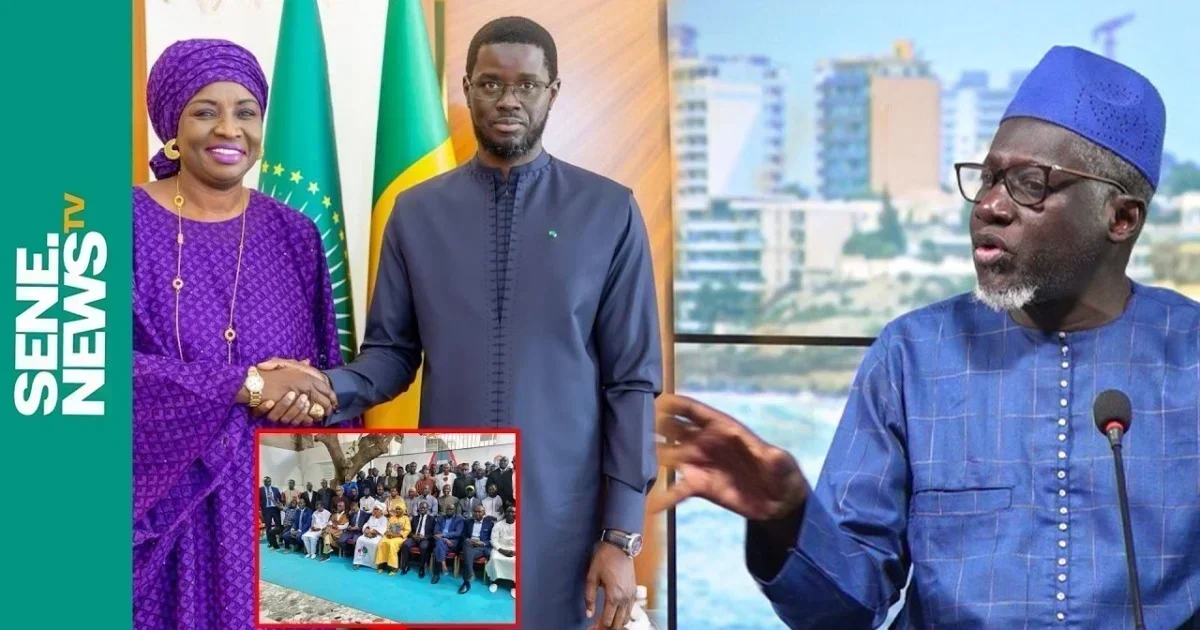
In a bold move reshaping Senegal’s political landscape, prominent religious leader Imam Kanté has declared the formation of a new political party to support Bassirou Diomaye Faye’s ambitions. This initiative comes amid growing speculation about the future of opposition dynamics and potential alliances in the lead-up to the 2026 elections.
The announcement has sparked discussions across the country, with analysts examining its implications for key figures like Ousmane Sonko, whose influence in the opposition has been a defining feature of recent political discourse. The new party’s emergence could redefine electoral strategies and voter mobilization in Senegal’s evolving political arena.
Experts suggest that the initiative may signal a strategic realignment, particularly as Senegal prepares for a pivotal electoral cycle. The move underscores the fluid nature of the political environment, where alliances and ideological shifts are increasingly shaping the race for power.
What this means for Senegal’s opposition
The creation of the new party is expected to inject fresh energy into Senegal’s opposition bloc. With Bassirou Diomaye Faye as a central figure, the formation could attract supporters seeking alternative leadership amid dissatisfaction with traditional structures. Meanwhile, Ousmane Sonko’s response to these developments remains a focal point, as his political trajectory continues to influence the broader opposition movement.
The announcement also raises questions about potential coalitions and the role of religious leaders in shaping political narratives. Imam Kanté’s involvement adds a unique dimension, blending faith and governance in a way that resonates with a significant portion of the electorate.
Next steps and political implications
As the new party takes shape, its leadership and policy platform will be critical in determining its impact. Observers will closely monitor how it integrates with existing opposition factions and whether it can consolidate support ahead of the elections. The move also highlights the increasing role of grassroots mobilization in Senegal’s political process, where social movements and community leaders are playing more prominent roles.
The coming months will be crucial in defining the party’s direction and its ability to challenge established political norms. For now, the announcement has set the stage for a dynamic and unpredictable electoral season.