Key achievements
Significant progress was recorded between 2018 and 2024, leading to the following outcomes:
Expansion of essential medical care: In both Mali and Mauritania, health initiatives reached over 5 million individuals, half of whom were women. This performance far exceeded the original target of 3.65 million people. Local clinics in the targeted areas saw a major boost in care quality through better equipment, specialized staff training, and enhanced patient management protocols.
Maternal and obstetric support: In Malian regions affected by instability, the rate of pregnant women receiving vital prenatal checkups tripled, rising from 13% to 38%. Meanwhile, Mauritania saw 160,000 births attended by professional medical staff, representing a 20% increase over the set goals.
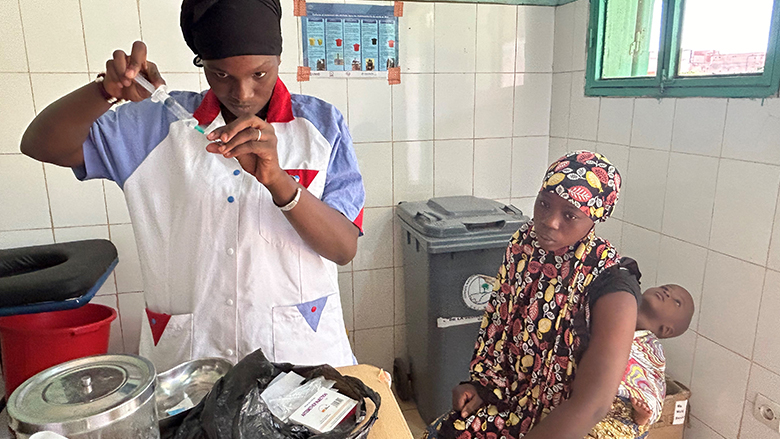
Pediatric healthcare: Mali successfully conducted 1.17 million medical consultations for children under five, focusing on treating common conditions such as malaria, diarrhea, and respiratory infections. In Mauritania, vaccination efforts reached over 200,000 children—triple the initial target—while nearly 5 million medical services were provided to the youngest age groups.
Nutritional programs: Efforts in Mauritania provided nutritional assistance to 750,000 women and children, playing a crucial role in the fight against malnutrition.
Equity in healthcare access: By the project’s conclusion, 460,000 vulnerable individuals in Mali had benefited from free essential health services. In Mauritania, more than one million free medical interventions were delivered to marginalized groups, including refugees. Furthermore, 81% of the targeted low-income households received financial support to cover their medical expenses.
Family planning and reproductive health: The use of contraceptives among adolescent girls in Mali nearly tripled, growing from 5.8% to 15.3%. In Mauritania, the number of women adopting modern family planning methods surged from approximately 9,000 to over 240,000, greatly surpassing the project’s expectations.