What’s really inside the Algeria-Niger defense accord?
The question hangs in the air: does the Algeria-Niger military cooperation pact signed in Algiers on October 21, 2026, mark a decisive stride toward regional security or merely symbolize good intentions without concrete steps? While both capitals tout a new era of strategic alignment, critical details about the agreement’s contents, execution plans, and regional implications remain frustratingly absent from public records. This gap leaves analysts, regional powers, and local communities alike wondering: what exactly has been agreed upon, and what tangible impact can it have on the growing insurgency crisis?
Who Signed and Why? A High-Stakes Public Handshake
On a Wednesday in late October, the Chief of Staff of Algeria’s People’s National Army, General Saïd Chanegriha, welcomed Niger’s Minister of State for National Defense, Salifou Modi, at the heart of Algeria’s military establishment. The formal meeting concluded with the signing of a military cooperation protocol—a move presented as a major milestone in bilateral defense ties. But behind the ceremonial handshake lies a pressing strategic dilemma: in a region where armed groups thrive amid porous borders and shifting alliances, can symbolic gestures translate into real security gains?
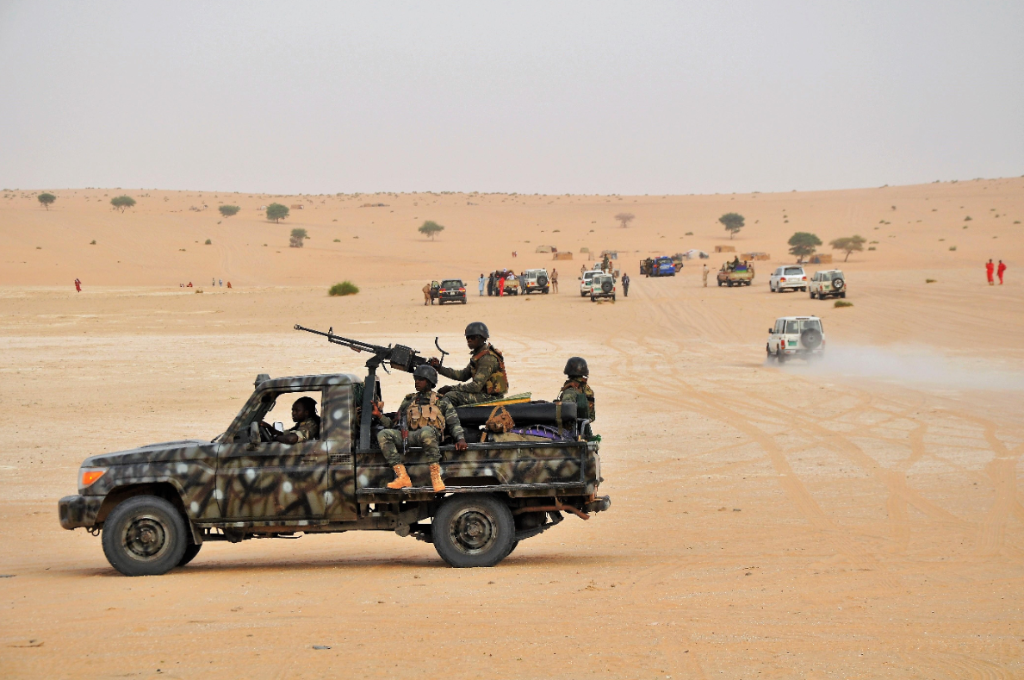
The timing is no coincidence. The Sahel continues to simmer with violence—from the volatile west near Burkina Faso and Mali to the volatile Lake Chad basin. Both Algeria and Niger share a common concern: preventing armed groups from exploiting ungoverned spaces along their shared southern frontier. Yet while the stated goal is clear, the mechanisms to achieve it remain shrouded in official silence.
Silent on Strategy: What the Agreement Doesn’t Say
The most striking feature of the new protocol is not what it includes—but what it omits. Public statements praise the spirit of cooperation and pledge future coordination, yet fail to disclose anything about operational measures. Will Algerian advisers train Nigerien troops? Are joint border patrols being planned? Is there a framework for real-time intelligence sharing? Without answers, it’s impossible to distinguish between sweeping political rhetoric and legally binding commitments.
This opacity isn’t inherently suspicious—military agreements often include sensitive clauses whose public disclosure could endanger operational security. But when a pact is heralded as a breakthrough in national security cooperation, the lack of clarity undermines public trust and raises legitimate concerns about the true nature of the commitments made.
From Intentions to Action: Funding, Timelines, and Accountability
Cooperation between two nations doesn’t materialize on goodwill alone. Key questions linger over implementation: what budget will fund joint initiatives? Has a timeline been set for training programs or logistical support? Will a joint commission monitor progress and assess outcomes? Without measurable objectives and transparent reporting, even well-meaning agreements risk becoming hollow frameworks—vague declarations that fade into diplomatic background noise.
Equally crucial is the division of responsibilities. If the cooperation deepens to include sensitive data exchanges or coordinated field operations, clear chains of command and accountability mechanisms must be defined in advance. Otherwise, the risk of miscommunication—or worse, unintended escalation—grows in tandem with the partnership’s ambition.
Regional Ripple Effects: A Bilateral Move in a Multipolar Sahel
The timing of this accord intersects with broader realignments across the Sahel. Niger, a member of the Alliance of Sahel States (AES) alongside Mali and Burkina Faso, is recalibrating its security partnerships. Algeria, while not part of the AES, maintains its own strategic calculus in the region, balancing bilateral ties with broader regional ambitions.
Will this new protocol complement existing initiatives within the AES? Could it serve as a foundation for wider coordination, or does it represent a strictly bilateral endeavor? Until details emerge, speculation runs rampant—yet speculation cannot replace the need for verifiable facts. One thing is certain: in a region where trust is as fragile as the terrain is contested, clarity is not just desirable—it is indispensable.
The Transparency Imperative: Balancing Security and Public Understanding
The core challenge here is not the signing of an accord, but the inability to evaluate its substance. For the agreement to carry weight beyond the ceremonial photo opportunity, Alger and Niamey must go beyond vague commitments and spell out key parameters: the scope of cooperation, the anticipated timeline, the roles and responsibilities of each party, and the mechanisms for monitoring progress. Such transparency would serve a dual purpose: protecting legitimate operational secrets while allowing citizens, analysts, and neighboring states to gauge the pact’s real impact.
Until then, the Algeria-Niger military cooperation protocol remains a promise unfulfilled—a strategic document whose true value cannot be measured until its fine print is made public. And in the Sahel, where every misstep can have cascading consequences, that delay is not just frustrating—it is potentially perilous.