It was a scene that seemed almost surreal: a parade of Algerian fuel tankers rolling into Agadez, greeted by drummers, trumpets, and a chorus of praise from the Minister of Petroleum, top officials of the Nigerien Petroleum Products Distribution Company (SONIDEP), the provincial governor, and other dignitaries. Flags waved, speeches were made, and the event was framed as a triumph of energy cooperation between Niamey and Algiers.
Yet behind the orchestrated ceremony lies an unsettling question: how did a country that operates a functioning refinery and once exported surplus gasoline end up needing truckloads of refined products from abroad just to keep its own people moving?
From self-sufficiency to foreign fuel dependence
On 1 November 2026, 53 Algerian tankers arrived at the SONIDEP depot in Agadez carrying roughly 1.65 million litres of petroleum products. Official statements described it as a commercial purchase designed to ease shortages, yet revealed no details on price, payment terms, or delivery schedule. What is clear, however, is that this emergency delivery exposes deeper failures in the management of Niger’s domestic energy security.
Production records that mask a growing crisis
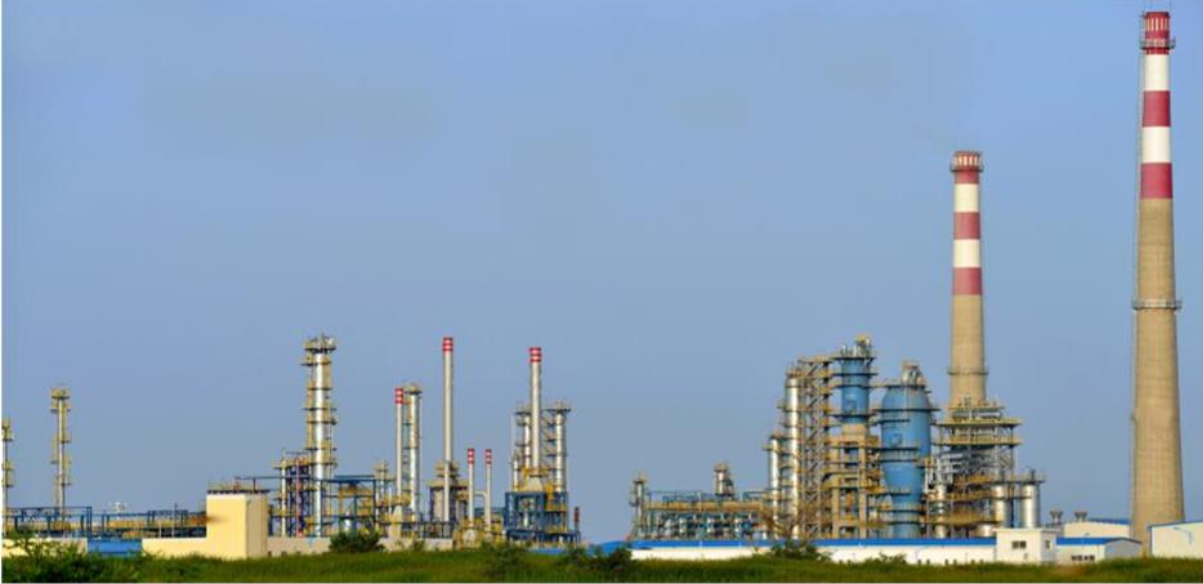
Public records from the Zinder Refinery (SORAZ) show a disturbing shift. In 2023, the plant produced 365.95 million litres of gasoline, of which 328.25 million litres were delivered to SONIDEP and 37.69 million litres were exported as surplus. By 2024, total production dropped slightly to 345.34 million litres, but every drop was delivered to SONIDEP—no surplus remained. In the first two months of 2025, 56.88 million litres were produced and again all were consumed domestically.
What happened to the surplus? Instead of building national reserves, the refinery’s output seems to have been fully absorbed by rising domestic consumption. Then, in October 2026, the government announced an outright ban on gasoline and diesel exports, effectively acknowledging that domestic demand could no longer be met from local production alone.
Financial red flags at the heart of the supply chain
SONIDEP, the state-owned marketing and distribution company, is reportedly saddled with debts exceeding 418 billion West African francs. This staggering liability raises urgent questions about revenue collection, stock management, and the company’s ability to meet its obligations to suppliers and the national treasury.
Are fuel sales being fully collected? Are receivables from private distributors being rigorously enforced? Without transparent accounting and independent audits, it is impossible to determine whether financial strain is forcing the sale of strategic reserves simply to keep the cash register ringing.
Strategic reserves: raided to plug budget gaps?
Whispers in the oil sector suggest that SONIDEP has been liquidating emergency stocks at discounted prices, allegedly to generate short-term liquidity. Such moves risk undermining the refinery’s ability to conduct planned maintenance shutdowns and leave the country perilously exposed whenever demand spikes or supply disruptions occur.
Are these emergency sales a one-off response to temporary cash-flow gaps, or a symptom of chronic structural deficits? Without verifiable contracts, disclosed pricing, and third-party oversight, the public has no way to verify how its national petroleum assets are being managed.
Informal imports vanish—who filled the void?
Until recently, a large slice of Niger’s fuel needs was met by smuggled cargoes entering from Nigeria. Cheap, low-tax petrol flowed across porous borders, keeping pumps stocked even as refining capacity inside Niger stagnated. When Nigeria ended fuel subsidies and tightened border controls, the black-market flow dwindled—and so did the buffer against shortages.
By March 2025, SONIDEP officials were already reporting that only 25 tankers arrived daily from SORAZ, while national demand stood at an estimated 50 tankers. The loss of informal imports revealed just how little spare capacity existed in the formal supply chain—and how little foresight had been exercised to replace it.
Solidarity with Mali, scarcity at home
A November 2025 convoy of 82 tankers headed for Bamako under government orders has added another layer of scrutiny. While Niamey mobilised scarce logistics to support its neighbour amid a blockade by armed groups, questions lingered about the state of Niger’s own reserves. Were domestic supplies adequate to cover both needs simultaneously?The contrast is striking: transporters who refused the Malian assignment lost their operating licences and drivers had their permits suspended, yet the arrival of Algerian drivers and fuel was met with official pageantry in Agadez. The dual episodes demand a single explanation: what is the government’s coherent policy for securing petroleum supplies for its own people?
What the Algerian convoy really signals
The partnership with Algeria is not inherently misguided; proximity and refining capacity make Algiers a natural ally. Yet the timing of the October 2026 shipment—coinciding with nationwide fuel shortages, a government-imposed export ban, and the launch of a high-level crisis committee—suggests something far less celebratory: an eleventh-hour rescue operation rather than strategic foresight.
The nation’s real challenge is not receiving foreign fuel; it is explaining why a producer country now imports refined products simply to meet basic needs. Transparent answers are owed on stock levels, refining capacity utilisation, receivables, maintenance funding, and the exact terms under which the Algerian cargo was purchased.
A call for full transparency
Niger possesses oil, a refinery in Zinder, and decades of experience marketing petroleum products. Yet in 2026 it must import fuel while begging for explanation. The scandal is not that Algiers stepped in, but that no credible mechanism exists to prevent such crises from recurring.
An independent audit must trace every litre from SORAZ’s refining units to the pumps in Maradi and Tahoua, every naira spent and every franc saved. Without verifiable data, no sovereign energy policy can be said to exist—and no citizen can trust that the next shortage will be the last.