Can external actors really destabilize Niger from abroad?
When former Nigerian police inspector Habibou Oumarou Mamane—known as “The Rebel”—stepped in front of the Nigerien public broadcaster’s cameras on October 23, 2026, he claimed he had uncovered a web of foreign-linked destabilization plots targeting Niamey. His explosive testimony pointed fingers at actors in exile, shadowy intermediaries, and even personnel tied to Benin’s intelligence services. Just days later, he and ten others were placed under judicial remand, deepening a diplomatic rift between Niger and its neighbor.
What exactly did Habibou Oumarou Mamane reveal?
During the televised appearance, the former inspector described a series of alleged covert operations aimed at undermining Nigerian authorities. Among the most sensational details: he claimed to have been involved in efforts to locate Beninese lieutenant-colonel Pascal Tigri, who was reportedly living in exile. Mamane also alleged that Nigerian exiles abroad had participated in preparatory meetings for destabilization activities targeting Niamey. While these statements have sparked intense speculation, they remain allegations—personal declarations broadcast on national television without independent verification.
Why is Benin at the center of this controversy?
The name of Benin enters the case through the testimony of Habibou Oumarou Mamane, who specifically referenced individuals he described as linked to Benin’s intelligence community. This connection has added explosive weight to the affair, coming as it does against a backdrop of long-standing political and security mistrust between Benin and Niger. However, without concrete evidence, the implication of Beninese institutions remains unconfirmed. The government in Cotonou has not acknowledged any involvement, and public statements from officials remain absent.
Ange Chekaraou’s public denial
One of the key figures named in the affair is Ange Chekaraou, a prominent political figure whose name surfaced in connection with the alleged network. Chekaraou swiftly denied any participation in the activities described by Mamane, calling the claims baseless. While his rebuttal adds a layer of uncertainty to the accusations, it does not conclusively disprove them. At this stage, without court-admissible evidence, all claims—denials included—must be treated with caution.
Eleven arrests, but what are the real charges?
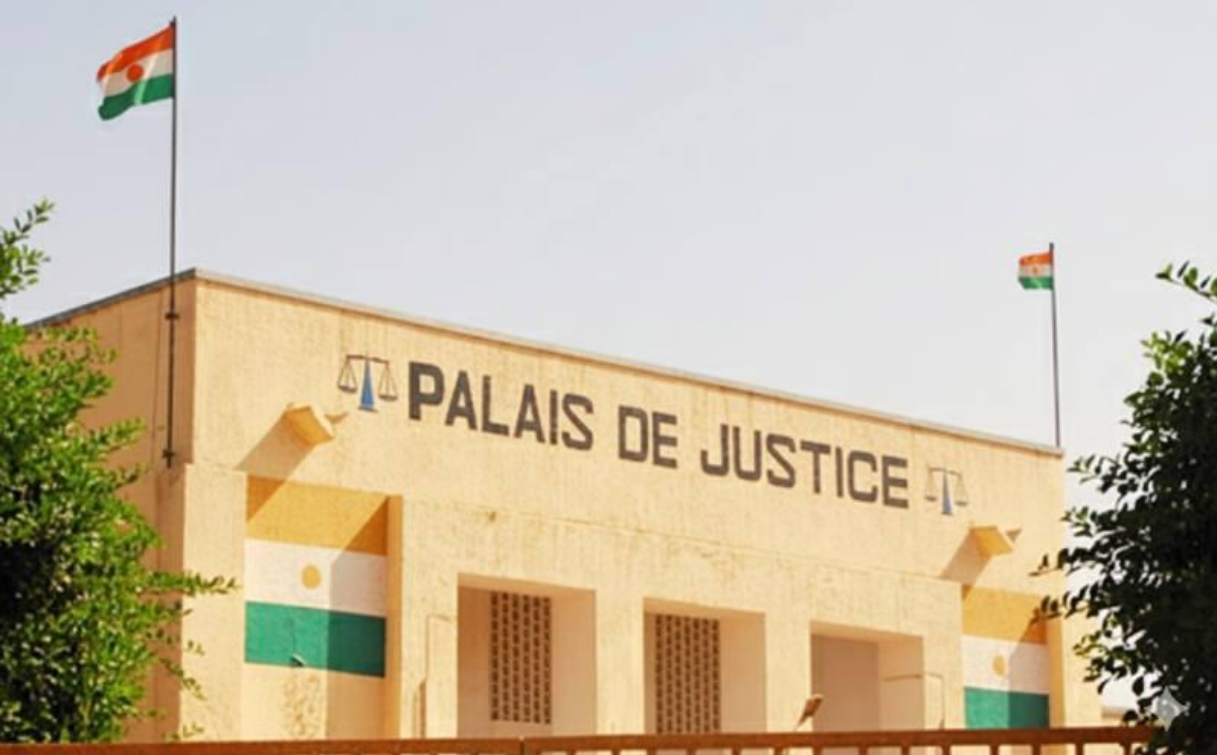
On November 3, 2026, a Nigerien court placed Habibou Oumarou Mamane and ten co-defendants under judicial remand. This judicial decision does not imply guilt; it reflects the need to hold individuals during an ongoing investigation. Critical questions remain unanswered: What specific charges are being investigated? Are Mamane’s claims supported by corroborating evidence? Do documented links exist between the accused and alleged destabilization networks? The coming weeks will likely reveal whether these arrests are part of a legitimate crackdown or a response to politically charged allegations.
A regional tinderbox: Niger and Benin on edge
This case arrives at a tense moment in Niger-Benin relations, marked by mutual suspicion and sporadic border tensions. Nigerien officials have not publicly linked the alleged plots to government policy in Cotonou, but diplomatic observers warn that the mere presence of such accusations can strain bilateral ties. Until definitive proof emerges, the affair risks inflaming public opinion in both countries, potentially derailing efforts toward reconciliation and cooperation in the Sahel.
Where does the truth lie?
As the judicial process unfolds, one principle remains paramount: the presumption of innocence. The eleven individuals under remand, as well as Ange Chekaraou and others named in the case, are entitled to fair treatment and due process. While the television testimony has ignited public debate, it is not a verdict. The challenge now facing Nigerien authorities is to separate verified facts from contested claims—and to ensure that justice, not politics, guides the outcome of this unfolding saga.